Written scope
Room-by-room summary of affected areas
When your basement takes on water, basement water removal Jefferson City MO gets it out fast and dries the space so mold does not move in. We handle flooded basements, sump pump failures, burst pipes, and sewage backups across Cole County. Our crew arrives with truck-mounted extractors and thermal cameras to find every wet pocket before it spreads. Call +15736984623 and we will be on the way.
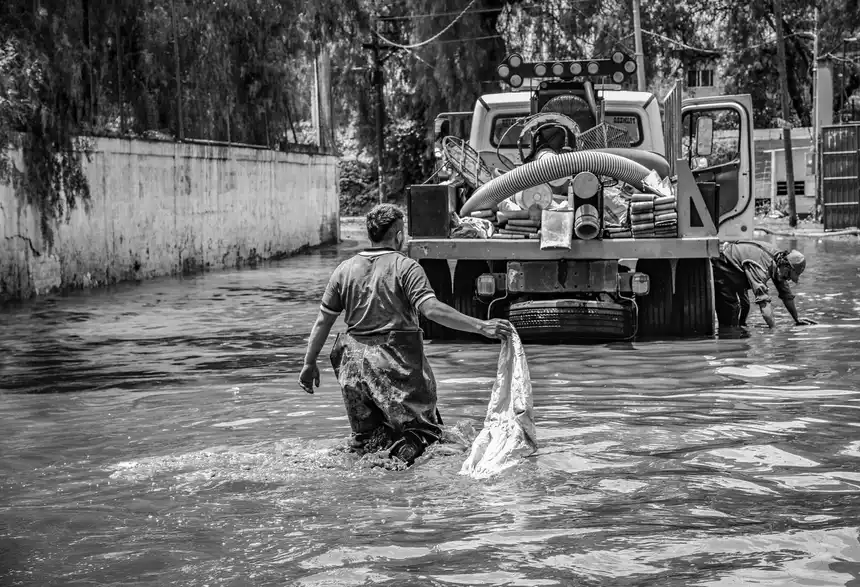
Every basement water removal job includes the core steps needed to get your space dry and safe. Additional services like mold remediation or drywall replacement are quoted separately if needed.
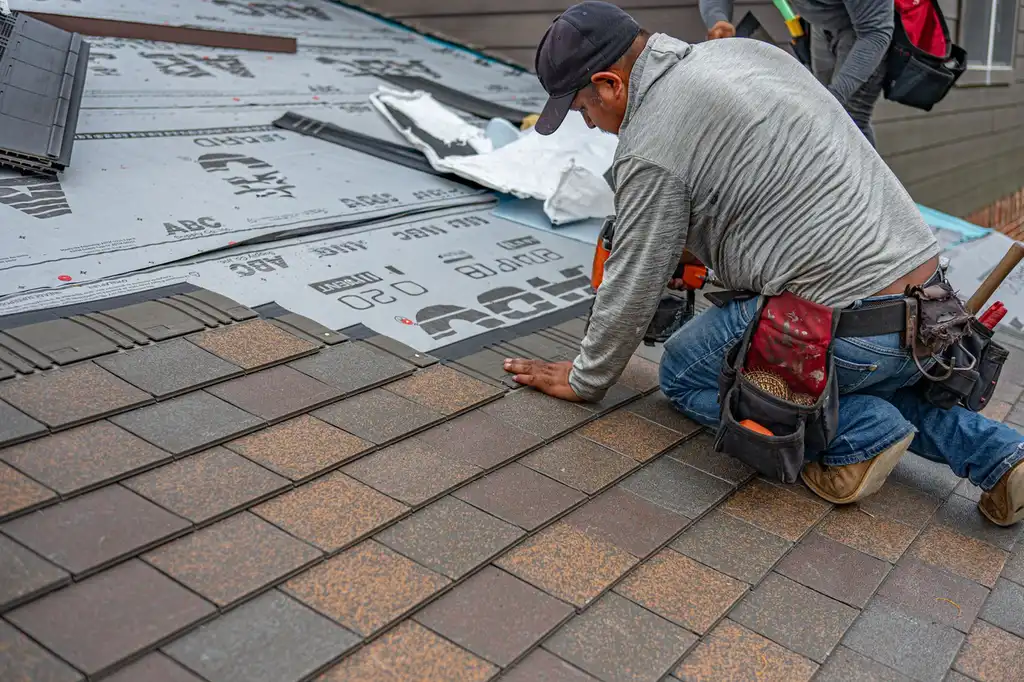
We handle flooded basements in houses across Jefferson City, from unfinished utility rooms to finished living spaces. Our crew extracts water, dries the structure, and documents everything for your records.
We work with property managers and business owners to clear basement flooding in offices, retail spaces, and warehouses. Our crews can schedule work after hours to keep your operation running.
Basement water removal Jefferson City MO is the process of extracting standing water, tracing the source, and drying the structure so your basement returns to a usable, safe condition. It is not just pumping water out. We use truck-mounted water extractors and portable extraction units to pull thousands of gallons, then set air movers and dehumidifiers to dry concrete, wood subflooring, and framing. Moisture meters and thermal imaging cameras confirm hidden water behind walls. Without proper drying, mold growth after water damage starts within 24 to 48 hours.
Jefferson City sits along the Missouri River and gets heavy spring rain plus freeze-thaw cycles that crack aging pipes. Homes in Moreau Heights and Old Munichburg often have original clay tile drain lines that fail under root pressure. A sump pump failure during a storm can leave 2 to 6 inches of water across a finished basement in under an hour. If you search for basement water removal near me Jefferson City MO during a storm, you need a crew that knows these neighborhoods and their drainage quirks.
We pull the water, dry the structure, and prove it with readings before we leave.
Every job follows the same proven sequence, from the first phone call to the final moisture reading. Here is what you can expect when our crew arrives at your Jefferson City home.
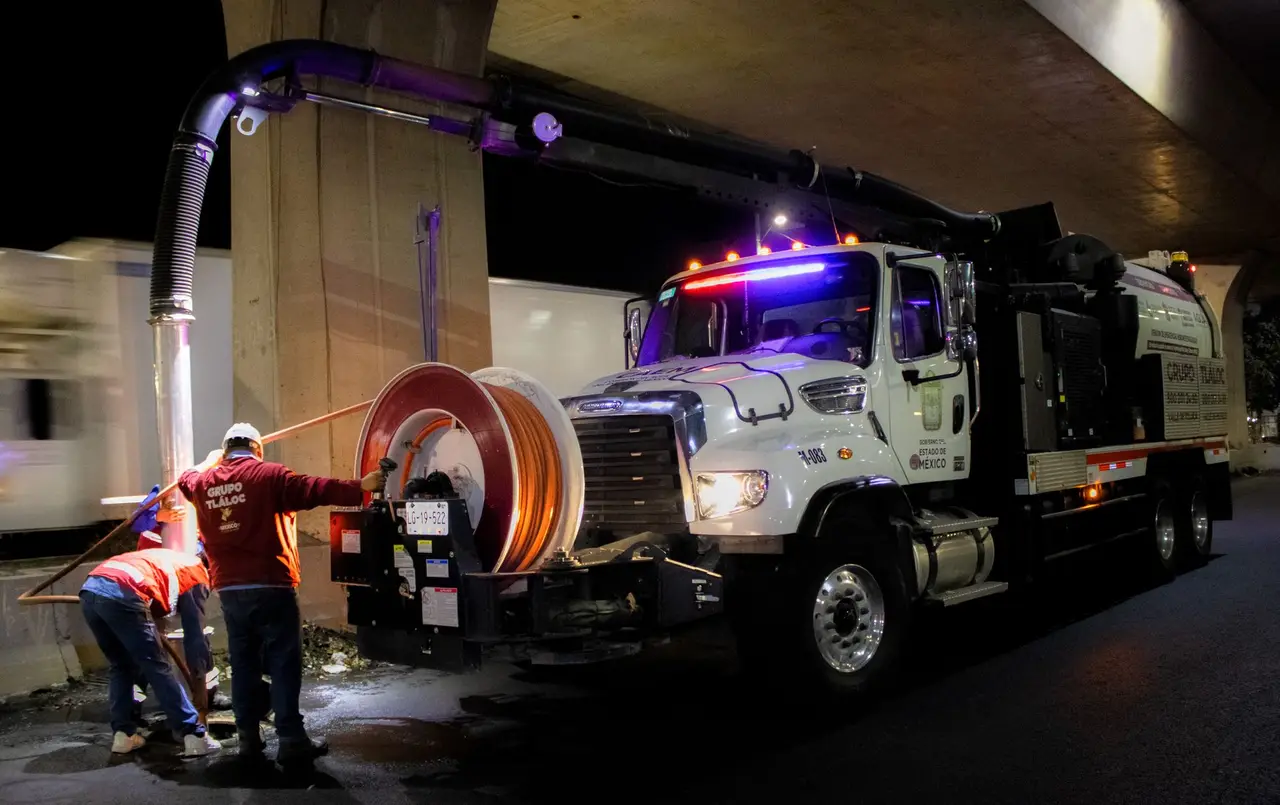
You call +15736984623 and describe what you see. We ask about the water source, how deep it is, and whether sewage is involved. Within minutes we dispatch a crew with the right equipment. For storm-related flooding, we prioritize calls where water is still rising or has reached electrical panels.
On arrival, we use thermal imaging cameras and moisture meters to map the water's path. A borescope inspection camera checks behind walls and under floors. We identify the source, whether it is a burst pipe, sump pump failure, roof leak, or sewage backup, so we fix the cause, not just the puddle.
Truck-mounted water extractors pull standing water from carpet, concrete, and hardwood. Portable extraction units reach tight corners and closets. For sewage backup, we treat the area with antimicrobial solution before and after extraction. Most residential basements take two to four hours to extract, depending on water depth and access.
We set air movers and dehumidifiers to dry walls, floors, and ceilings. Plastic sheeting and ZipWall barriers contain the drying zone. Desiccant dehumidifiers handle humid Missouri summers, while refrigerant units work well in cooler months. We monitor moisture levels daily with hygrometers and adjust equipment until readings hit the dry standard.
Before we pack up, we take final moisture readings and compare them to our initial numbers. We show you the results, explain what was done, and document everything for your insurance claim. If any materials like drywall or insulation need replacement, we note that in the report so you know exactly what comes next.
Pulls large volumes of standing water from basements quickly. Ideal for deep flooding and finished spaces where speed matters.

Reaches tight corners, closets, and areas a truck mount cannot access. Used for spot extraction and final water removal.
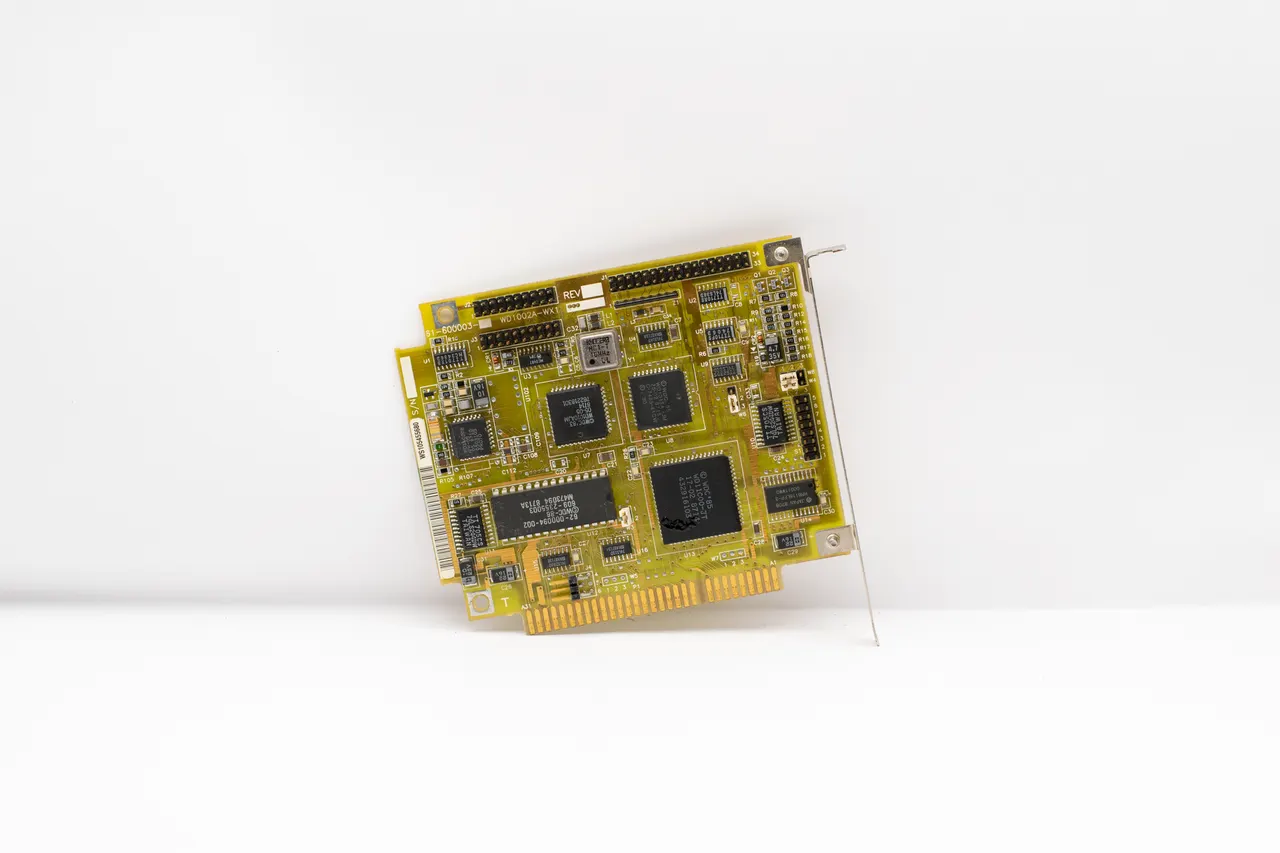
Detects temperature differences caused by hidden moisture behind walls and under floors. Helps us map the full extent of the water damage.

Measures moisture content in materials and relative humidity in the air. We use these to set drying goals and verify the job is done.
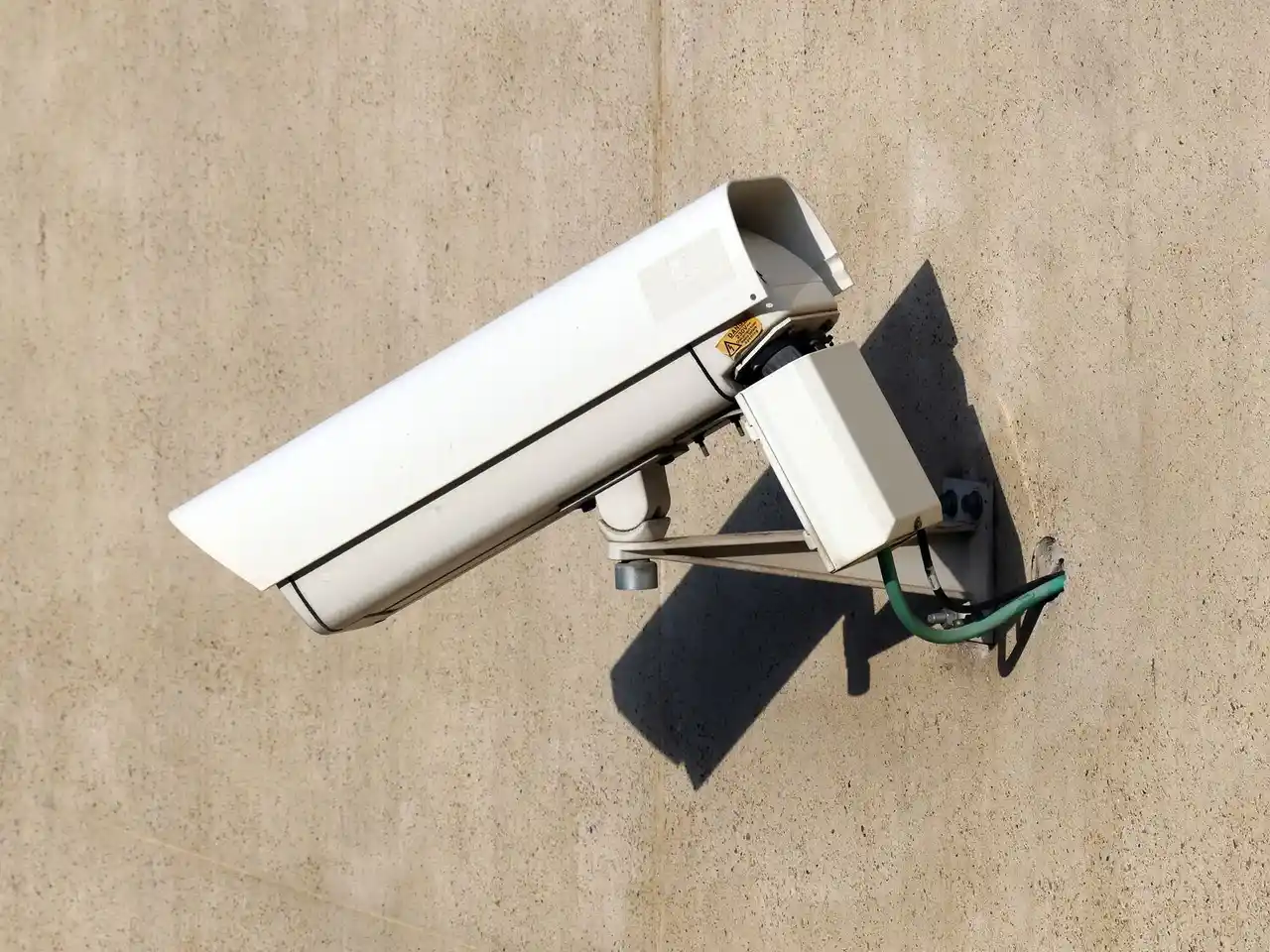
Lets us see inside wall cavities and under floors without tearing everything out. We confirm where water traveled before cutting drywall.
Air movers evaporate moisture from surfaces while dehumidifiers pull it from the air. Together they dry the structure in three to five days.
Creates negative pressure to contain dust and mold spores. HEPA vacuums capture fine particles during cleanup and remediation.
We follow the IICRC S500 standard for water damage restoration, which sets the industry baseline for extraction, drying, and documentation. It tells us how many air movers and dehumidifiers a space needs based on square footage and water class.
We dispatch a crew with truck-mounted extractors and drying equipment. We extract the water, pull up wet carpet if needed, and set dehumidifiers to dry the space. We also inspect your sump pump and drainage to find out why it happened. Your basement is dry within three to five days, and you know what caused the flooding so you can prevent it next time.
We shut off the water main, extract the standing water, and dry the affected area. Our crew works through the night to stop the damage from spreading to walls and stored belongings. Water is removed the same night, and drying starts immediately, reducing the chance of mold and saving thousands in potential repairs.
We inspect with thermal cameras and moisture meters to find the source. Often it is a slow leak or high humidity. We extract any standing water, dry the structure, and treat for mold if needed. The musty odor is gone, moisture levels are back to normal, and you have a report showing the basement is dry.
We treat it as a biohazard. The crew wears protective gear, extracts the water, removes contaminated materials, and applies antimicrobial solution. We dispose of waste according to Missouri regulations. The basement is sanitized and safe, with no lingering sewage odor. We document everything for your insurance claim.
Jefferson City basements face a specific set of challenges. The city sits along the Missouri River, and spring storms can dump two inches of rain in a few hours. Older neighborhoods like Old Munichburg and Downtown have clay tile drain lines that crack and clog with roots. Homes built before 1978 may have lead paint, which is why our EPA Lead-Safe Certification matters when we cut into walls. In Southwest Jefferson City and Moreau Heights, newer homes often have finished basements with carpet and drywall, which means water spreads faster and drying takes longer. Winter brings frozen pipe calls, especially in crawl spaces and exterior walls. We know which streets flood first and which sump pumps tend to fail under pressure. When you call for professional basement water removal Jefferson City MO, we bring equipment sized for the job and experience with the building stock. We also follow Missouri Department of Natural Resources regulations for water disposal, so you do not have to worry about where the water goes.
A finished basement took on three inches of water after a storm. Carpet, drywall, and furniture were soaked. The homeowner called at 7 a.m. and we arrived by 9 a.m.
We extracted 120 gallons of water, removed wet carpet pad, and set 12 air movers and 4 dehumidifiers. Moisture readings dropped from 28% to 12% in four days. The homeowner replaced the sump pump and refinished the space.
We recommended a battery backup sump pump and annual inspection before spring rains. The homeowner also installed a water alarm.
A pipe froze and burst in the wall of a 1920s home, flooding the basement with two inches of water. The water had soaked into drywall and wood subflooring.
We extracted the water, cut out saturated drywall, and dried the framing. Final moisture readings were within 2% of the dry standard after five days. The homeowner had the pipe repaired and new drywall installed.
We advised insulating the pipe and keeping the basement above 55 degrees in winter. A freeze alarm was installed on the wall.
A sewage backup left one inch of contaminated water across a commercial basement. The odor was strong and the space was unusable.
We extracted the water, removed contaminated materials, and applied antimicrobial solution. Ozone treatment eliminated the odor. Post-remediation testing confirmed the space was clean.
We recommended a backwater valve on the sewer line and annual drain cleaning to prevent future backups.
Most basement water issues come from a handful of common failures. We fix the source and dry the damage, so you are not dealing with the same problem next season.
We extract the water, dry the basement, and can install a replacement sump pump with a battery backup. We also check the discharge line to make sure it is not clogged or frozen. Water rises fast and can reach electrical outlets within an hour, creating a shock hazard and ruining stored items.
We shut off the water, extract the standing water, and dry the structure. If the pipe needs repair, we coordinate with a licensed plumber and document everything for your claim. A single burst pipe can release hundreds of gallons, soaking drywall, insulation, and wood subflooring before you notice.
We extract the water, remove contaminated materials, and apply antimicrobial solution. We follow OSHA and Missouri Department of Natural Resources rules for disposal, then sanitize the air with ozone or hydroxyl generators. Sewage carries bacteria and viruses. Anything it touches must be treated as a biohazard, and the odor can linger for months.
We use thermal imaging and borescope cameras to find hidden water. We cut out saturated drywall, dry the framing, and treat the area with antimicrobial solution before installing new materials. Water trapped behind drywall feeds mold growth within 24 to 48 hours. By the time you smell it, colonies are already established.
Mold growth after water damage can begin in 24 to 48 hours. We extract standing water and start structural drying the same day, pulling moisture out of drywall, insulation, and wood subflooring before spores colonize. Our IICRC AMRT technicians apply antimicrobial solution to affected surfaces, giving you a basement that is dry and sanitized, not just empty of water.
Water sitting against your foundation walls for days weakens concrete and mortar. We use truck-mounted water extractors to remove water fast, then run desiccant dehumidifiers to pull residual moisture from the slab and block walls. Drying the structure protects your foundation from long-term cracking and costly repairs down the road.
Boxes, furniture, electronics, and documents soak up water quickly. Our contents cleaning and pack-out service moves salvageable items to a dry area, then uses absorbent pads and air movers to dry them. We photograph everything for your insurance claim, so you are not fighting to prove what was damaged.
A finished basement is living space, not a storage pit. We dry floors, walls, and ceilings to pre-loss moisture levels, usually within three to five days. Once our hygrometer readings match the dry standard, you can move furniture back and use the room again without worrying about musty odors or hidden damp spots.
Clear records you can keep and share.
Room-by-room summary of affected areas
Daily readings from start to dry standard
Before, during, and after documentation
Extraction removes the water you can see. Drying removes the moisture you cannot. Both steps matter if you want to avoid mold and structural damage.
Extraction pulls standing water from floors and carpets. Drying uses air movers and dehumidifiers to remove moisture from walls, floors, and air. Skipping drying leads to mold.
Clean water from a supply line is category 1. Water from a washing machine or dishwasher may be category 2. Sewage is category 3 and requires protective gear and disposal.
Water travels behind walls and under floors. Thermal cameras and moisture meters find it. If we do not map the full extent, mold can grow in unseen areas.
Outside these areas? Call and ask, we will tell you straight. +15736984623
Most residential basement water removal jobs in Jefferson City run $800 to $2,800, depending on water depth, square footage, and whether sewage is involved. A small, clean-water extraction in an unfinished basement might cost $500 to $900. Finished basements with carpet, drywall, and furniture push the price higher. We provide a written estimate before work begins, and we bill your insurance directly when the loss is covered.
We do. Our crew is based in Jefferson City and serves Cole County, including Downtown, Old Munichburg, Moreau Heights, and Southwest Jefferson City. We handle both residential and commercial basement water extraction, and we are on call for emergencies. Call +15736984623 and we will dispatch a truck with extraction and drying equipment to your address.
The most common causes are a failing sump pump, clogged or collapsed drain tile, and grading that slopes toward the foundation. Jefferson City's clay-heavy soil and older homes in neighborhoods like Old Munichburg make these problems worse. We inspect your drainage system, test the sump pump, and identify the entry point. Fixing the source stops the cycle, not just the water.
Yes. We prioritize same-day basement water extraction Jefferson City calls, especially when water is still rising or has reached electrical outlets. Our trucks carry extractors and drying equipment at all times. If you call before noon, we aim to be on-site within two hours. After-hours and weekend calls are handled by an on-call crew.
Standing water gets worse every hour. Call +15736984623 and we will dispatch a crew with extraction and drying equipment. We handle insurance paperwork and work until your basement is dry. One call gets the water out and the drying started.
Call +15736984623 any time, day or night. A live dispatcher answers, not a machine, and we will tell you exactly when a crew can reach your address. Most Jefferson City calls see a technician within about 60 minutes. If you prefer email, send photos and your address to info@24/7jeffersoncitywaterdamagerestoration.com and we will follow up fast.