Moisture log
Daily readings from first visit to dry standard
Hardwood floor drying and restoration Jefferson City MO starts the moment we pull up, not the next business day. Our technicians extract standing water, map moisture with thermal imaging cameras, and dry your wood floor in place so you keep the floor you already paid for. If a burst pipe, appliance leak, or sump pump failure soaked your hardwood, call us at +15736984623.
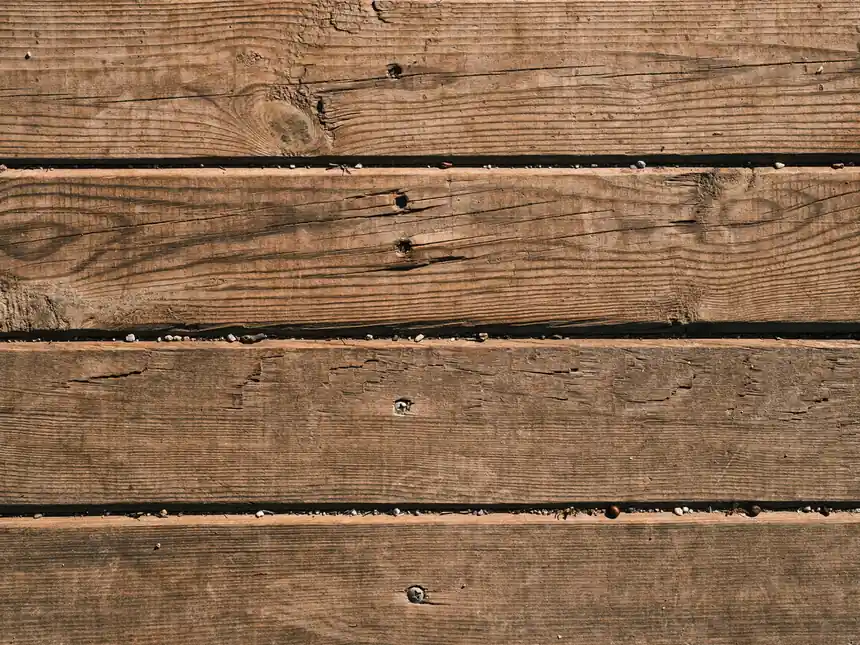
Every job starts with moisture mapping and ends with a dry standard reading. In between, we extract, dry, monitor, and document. If your floor needs sanding or refinishing after drying, we tell you up front so there are no surprises on the final invoice.

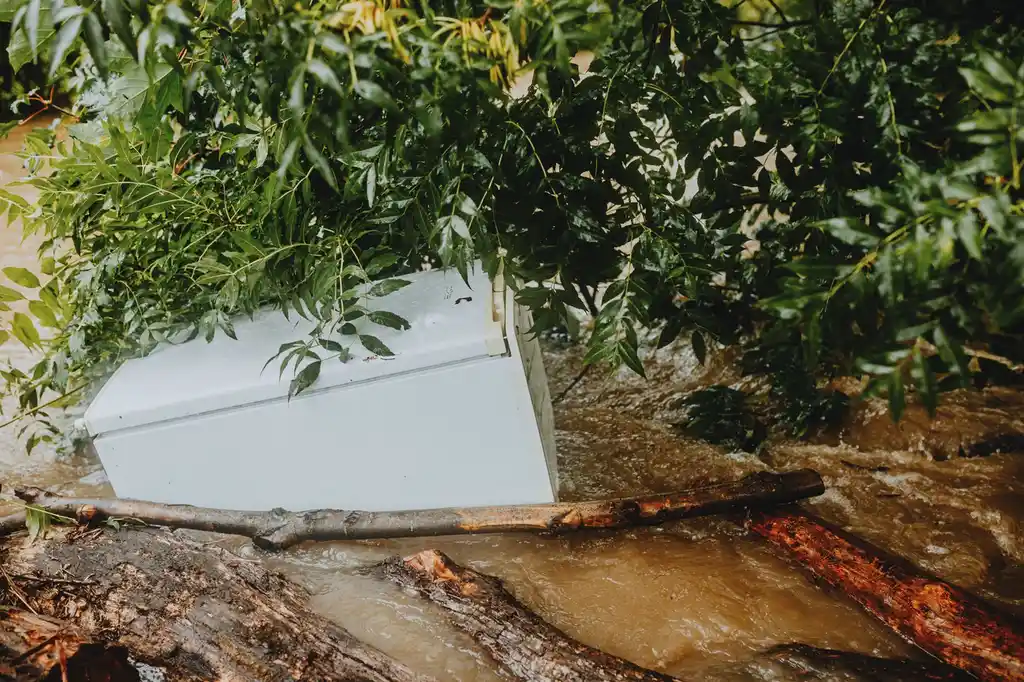
We dry wet wood floors in houses and apartments across Jefferson City. You get daily moisture readings and a written log when the floor reaches dry standard.
We dry hardwood floors in offices, shops, and rental units so you can reopen without replacing the floor. Work is scheduled around your operating hours.
Hardwood floor drying and restoration Jefferson City MO is the process of pulling trapped water out of wood planks and subflooring, then drying the assembly slowly enough that the boards keep their shape. We use truck-mounted water extractors to remove standing water, moisture meters and hygrometers to read moisture content, and desiccant dehumidifiers to pull humidity out of the room. Wood is hygroscopic, meaning it absorbs and releases moisture with the air around it, so drying too fast can cup the boards just as badly as leaving them wet.
Most Jefferson City calls we run come from a burst pipe behind a kitchen wall, a water heater that let go overnight, or a sump pump that quit during a spring storm. Older homes near Capitol Avenue and Old Munichburg often have original oak flooring over wood subflooring, which holds water longer than modern engineered planks. If you are searching for hardwood floor water damage repair Jefferson City MO, the first 24 to 48 hours decide whether your floor gets saved or replaced.
Wood dries from the inside out, so we measure before we move anything.
Every hardwood job follows the same five steps. You will know what is happening, how long it takes, and what the floor should read before we pack up the equipment.
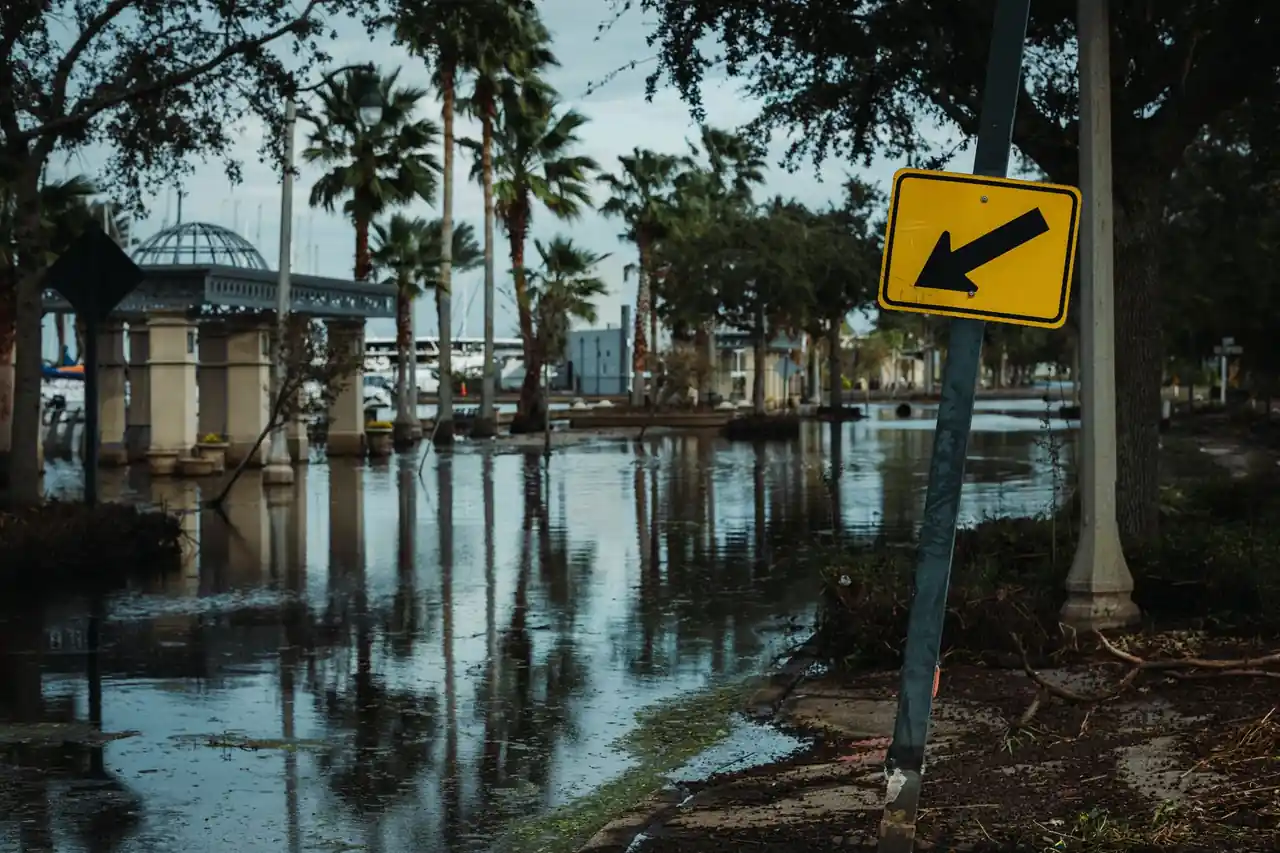
Call +15736984623 and we roll a crew to your address, day or night. We shut off the water source if it is still running, kill power to wet outlets, and set up containment with plastic sheeting and ZipWall barriers so the rest of the house stays dry.
We walk the floor with a thermal imaging camera and pin-type moisture meter, marking every wet board and the extent of water under the subfloor. A borescope inspection camera lets us check the cavity behind baseboards without tearing them off. This takes 30 to 60 minutes.
A truck-mounted water extractor pulls standing water out of the seams, then we place Dri-Eaz and Phoenix air movers plus a desiccant dehumidifier. Expect 8 to 14 pieces of equipment running in a typical 300-square-foot room, and expect the noise that comes with them.
We come back every 24 hours to read moisture content, adjust airflow, and check for cupping. Most hardwood floors reach dry standard in three to five days. We do not pull equipment early just to close the ticket.
Once readings match a dry standard for the region, we remove the equipment, HEPA vacuum the area, and hand you a moisture log plus photos. If any boards still need sanding or refinishing, we tell you before we leave.
Pulls large volumes of standing water out of seams and subfloor fast, which is the first step before any drying equipment goes down.
Finds water hidden under planks and behind walls without tearing the floor apart. We use it on every job to map the true extent of the damage.
Reads moisture content in the wood and relative humidity in the room. These numbers tell us when the floor is actually dry, not just dry to the touch.
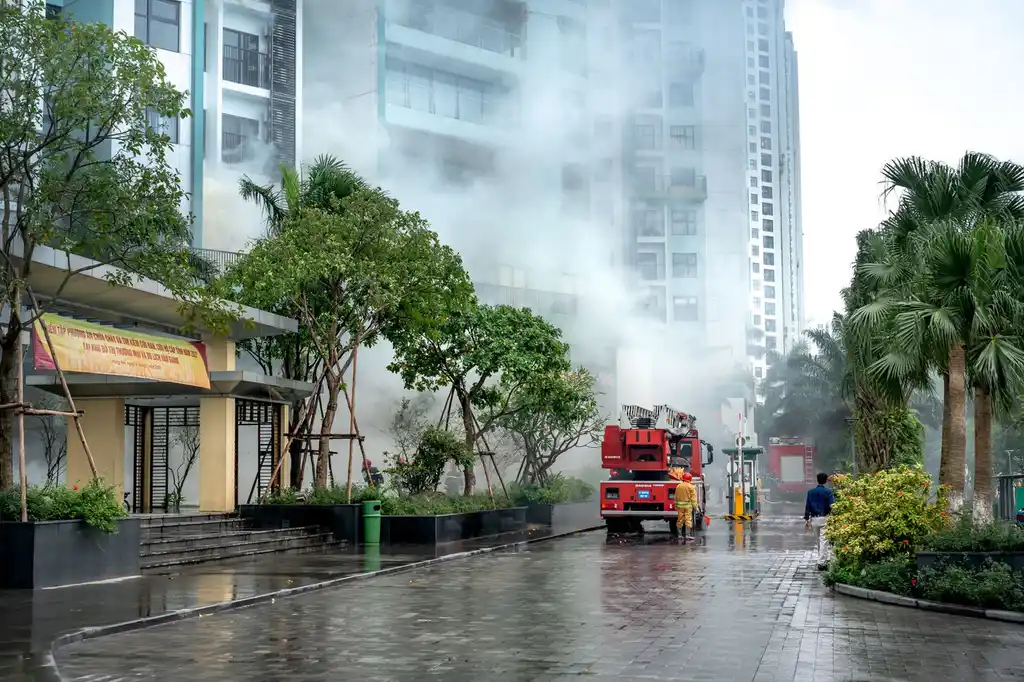
Move air across the floor surface to speed evaporation. We size the count to the room so the top of the board does not dry faster than the bottom.

Pulls moisture out of the air so the wood has somewhere to release its water. Essential in Jefferson City's humid summers.

Lets us look into the cavity under the subfloor and behind baseboards without cutting open the floor.

Captures mold spores and fine debris during cleanup so they do not settle back into the floor or spread to other rooms.
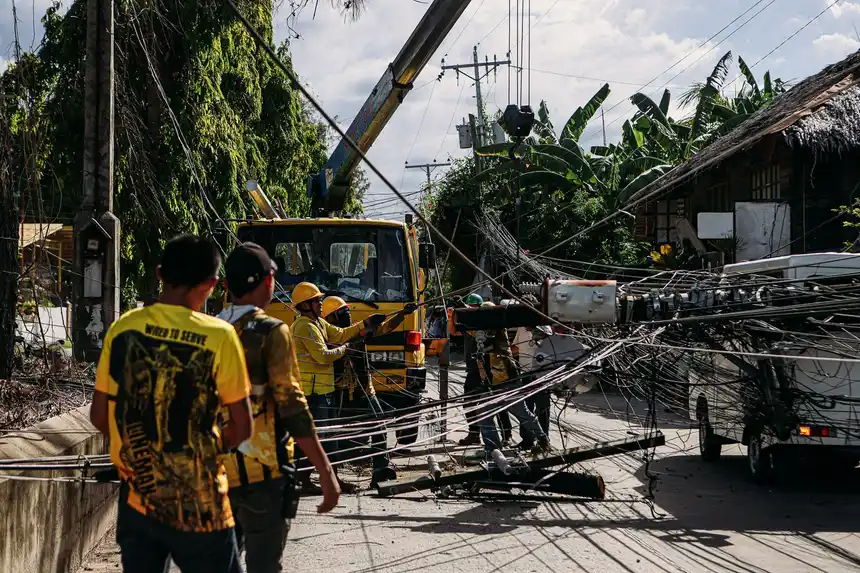
The industry standard for water damage restoration. It sets the drying goals, monitoring intervals, and documentation requirements we follow on every hardwood job.
We shut the water off, extract standing water, and set up drying equipment the same visit. Thermal imaging confirms how far the water traveled under the floor. The hallway floor dries flat in four days and you avoid replacing 200 square feet of oak.
We remove the basement water, dry the crawl space, and run a separate drying system on the hardwood floor above so both areas reach dry standard together. The floor above stays flat and the basement is dry, with no musty smell left behind.
We meter the floor, find the wet zone with thermal imaging, and dry the wood before the stain turns into rot. If boards are too far gone, we tell you exactly which ones. You save most of the floor and know exactly what needs refinishing or replacement.
We tarp the roof, repair the leak path, then dry the ceiling and the floor in one coordinated job so moisture does not migrate between them. Both the ceiling and the hardwood dry on the same schedule, and the repair is seamless.
Jefferson City sits in a river valley with clay soil and humid summers, which means wood floors here hold moisture longer than in drier parts of Missouri. Older homes in Old Munichburg and along Capitol Avenue often have original oak over wood subflooring, and that assembly needs a slower dry than modern engineered planks. Winter brings frozen pipe calls, spring brings sump pump failures and storm-driven roof leaks, and summer humidity keeps crawl spaces damp enough to slow a floor dry-out by a day or more. We build the schedule around that, not around a generic three-day estimate. If you need same day hardwood floor water damage repair Jefferson City, call +15736984623 and we will map the floor, set equipment, and start the dry-out the same visit.
A supply line burst behind the kitchen wall overnight and water spread across 300 square feet of oak. The floor was cupped at the seams and moisture content read 24 percent in the wettest boards.
We extracted standing water, set 12 air movers and a desiccant dehumidifier, and monitored daily for five days. Moisture content dropped to 7 percent and the boards flattened back out. No replacement needed.
Keep indoor humidity between 35 and 50 percent year-round and check under the sink for slow drips once a month.
A sump pump failed during a spring storm and the basement took on four inches of water, which wicked up into the hardwood above. The musty smell was noticeable within two days.
We pumped the basement, dried the crawl space, and ran a separate drying system on the hardwood. Five days later the floor read dry standard and the odor was gone after air sanitization.
Test the sump pump every spring before storm season and keep a battery backup on the unit.
A water heater let go over a holiday weekend and soaked the hardwood in a Capitol Avenue rental. The tenant noticed dark staining and a soft spot near the base of the tank.
We scoped the job in Xactimate, documented every affected board, and dried the floor in four days. Two boards were too far gone and were replaced; the rest were saved.
Flush the water heater annually and replace the anode rod every three to five years to prevent tank failure.
Most hardwood damage we see in Jefferson City starts small and gets expensive fast. Here is what we run into and what it takes to fix it before the floor is a total loss.
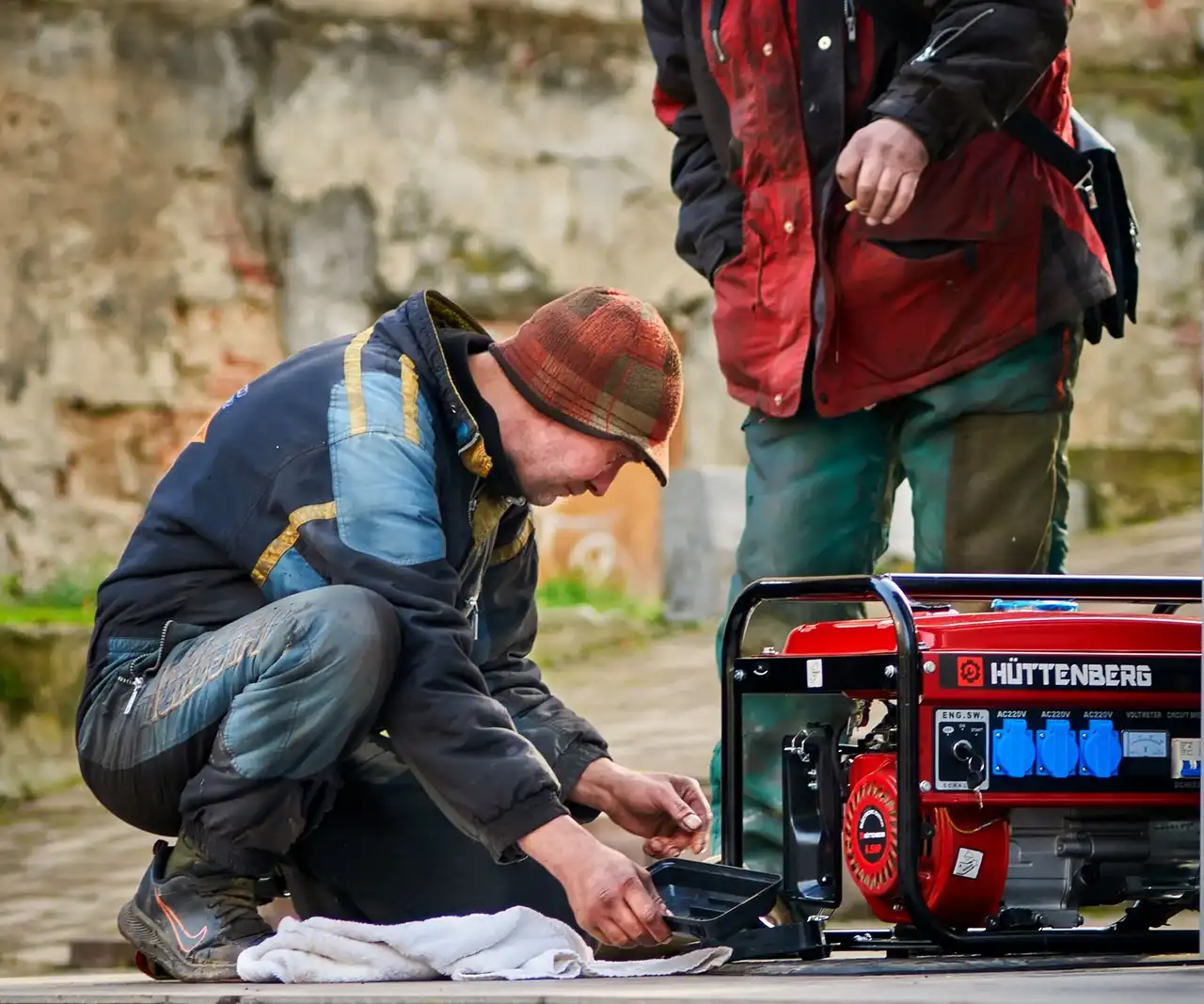
We use thermal imaging and a borescope inspection camera to find the water, extract it with a truck-mounted unit, and dry the cavity with air movers and a desiccant dehumidifier. Trapped water warps boards from underneath and can soak the subfloor for weeks without showing on the surface.
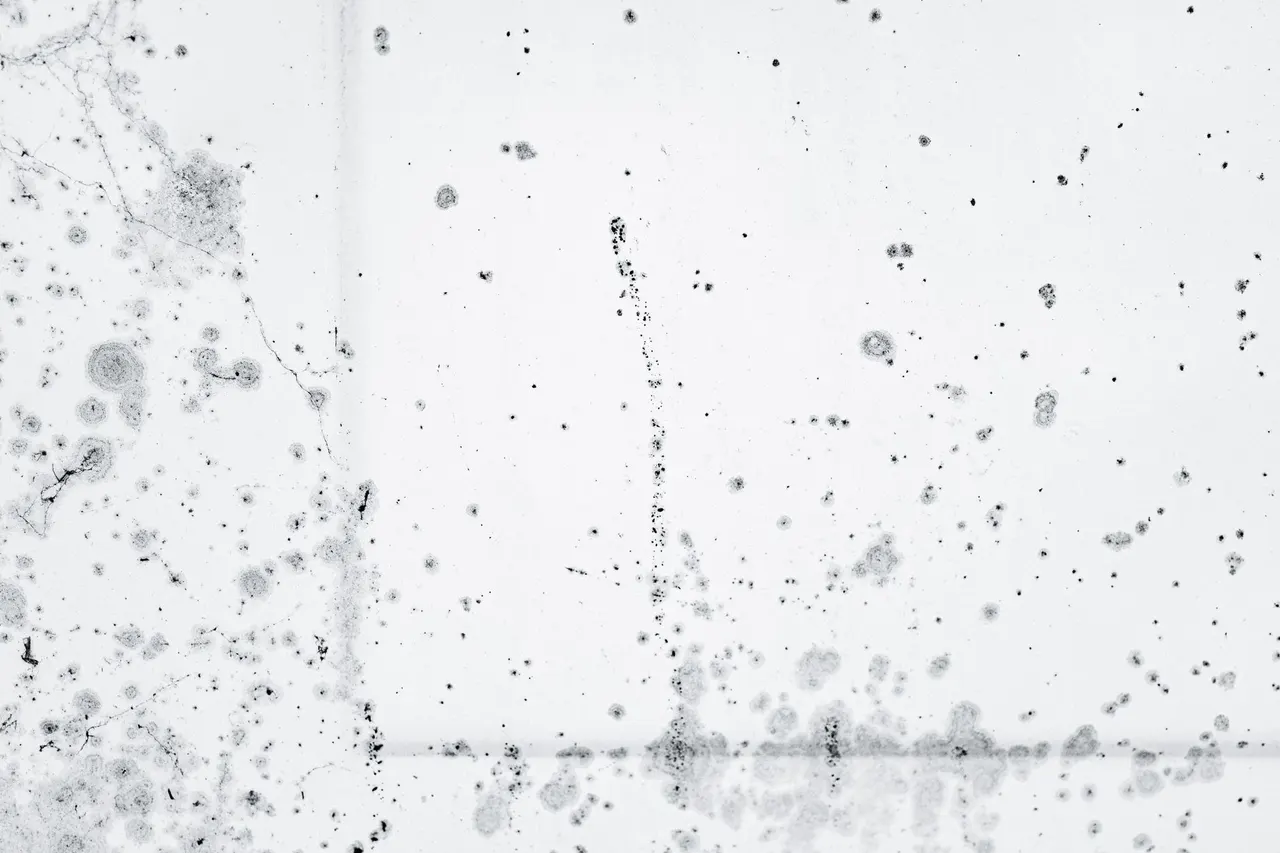
We slow the surface dry, keep humidity under 40 percent, and monitor moisture content daily until the boards flatten back out. Most cupped floors recover if we start within 48 hours. Cupping means the bottom of the board is wetter than the top. Left alone, the edges curl permanently and the floor has to be sanded or replaced.
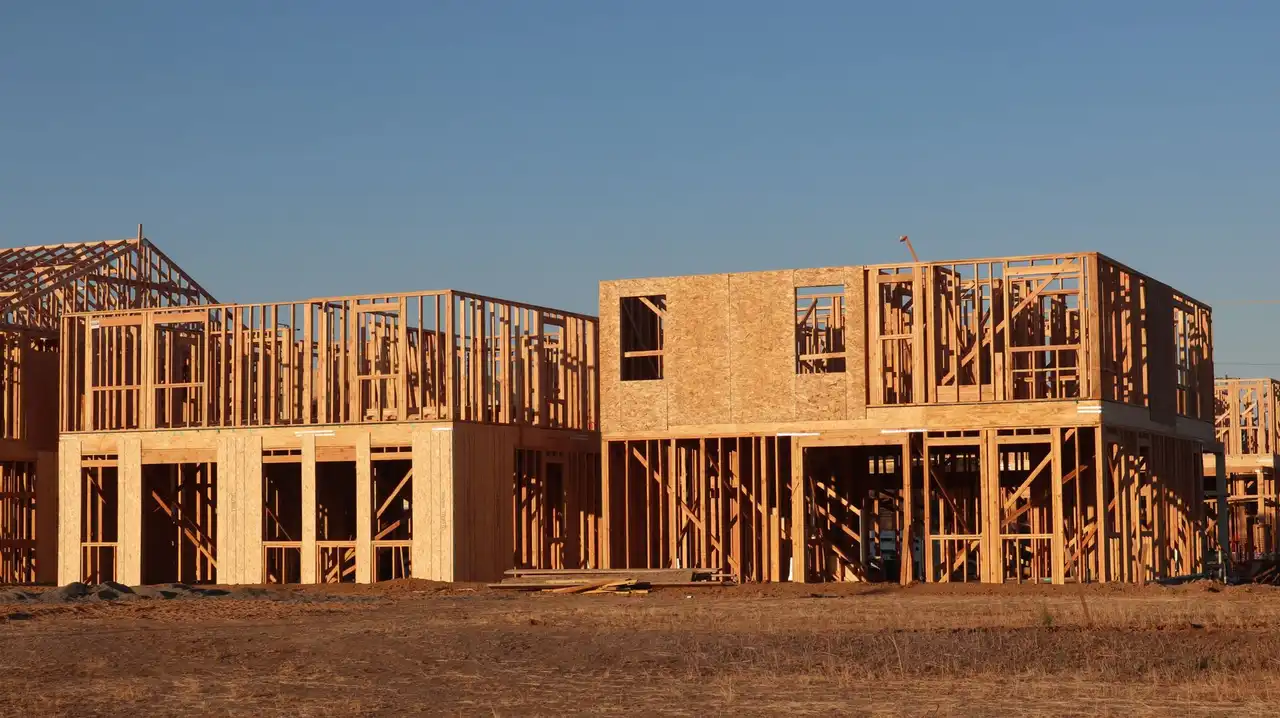
We apply an antimicrobial solution, run a HEPA vacuum and negative air machine, and dry the wood to a verified dry standard. Odor removal and air sanitization finish the job. A dishwasher or water heater leak that runs for days feeds mold growth under the floor. The smell is the first sign, not the last.
We treat the area as a biohazard job first, remove what cannot be saved, disinfect, and then dry the remaining hardwood with the same equipment we use on clean water losses. Category 3 water carries bacteria that soak into the wood and subfloor. Drying alone leaves contamination behind.
Solid oak and maple that has been wet for less than 48 hours usually dries flat again with controlled airflow. We document moisture content at each visit so you can see the numbers drop from 25 percent down toward a 6 to 8 percent target for this region.
Boards cup when the top dries faster than the bottom. We slow the surface dry with lower-temperature air movers and keep relative humidity under 40 percent, which lets the whole plank shrink back evenly instead of curling at the edges.
Mold can colonize wet wood in 24 to 72 hours. We apply an antimicrobial solution to affected areas, run HEPA vacuums and negative air machines where needed, and verify with moisture readings before we call the job dry.
We photograph every affected board, log daily moisture readings, and build our scope in Xactimate so your adjuster sees the same numbers we do. That documentation is often the difference between a covered dry-out and an out-of-pocket replacement.
Clear records you can keep and share.
Daily readings from first visit to dry standard
Before and after images of every affected area
Line-item job scope for your insurance claim
Time and airflow decide the outcome more than the brand of equipment. A floor that is dried evenly, top and bottom, usually flattens back out.
Wood that has been wet for less than two days usually dries flat again. After a week, cupping and staining often mean the board has to come out.
If the top of the board dries faster than the bottom, the edges curl. We slow the surface dry and keep humidity low so the whole plank shrinks evenly.
A floor is dry when a moisture meter says so, not when it feels dry. We read the wood every day until it reaches dry standard.
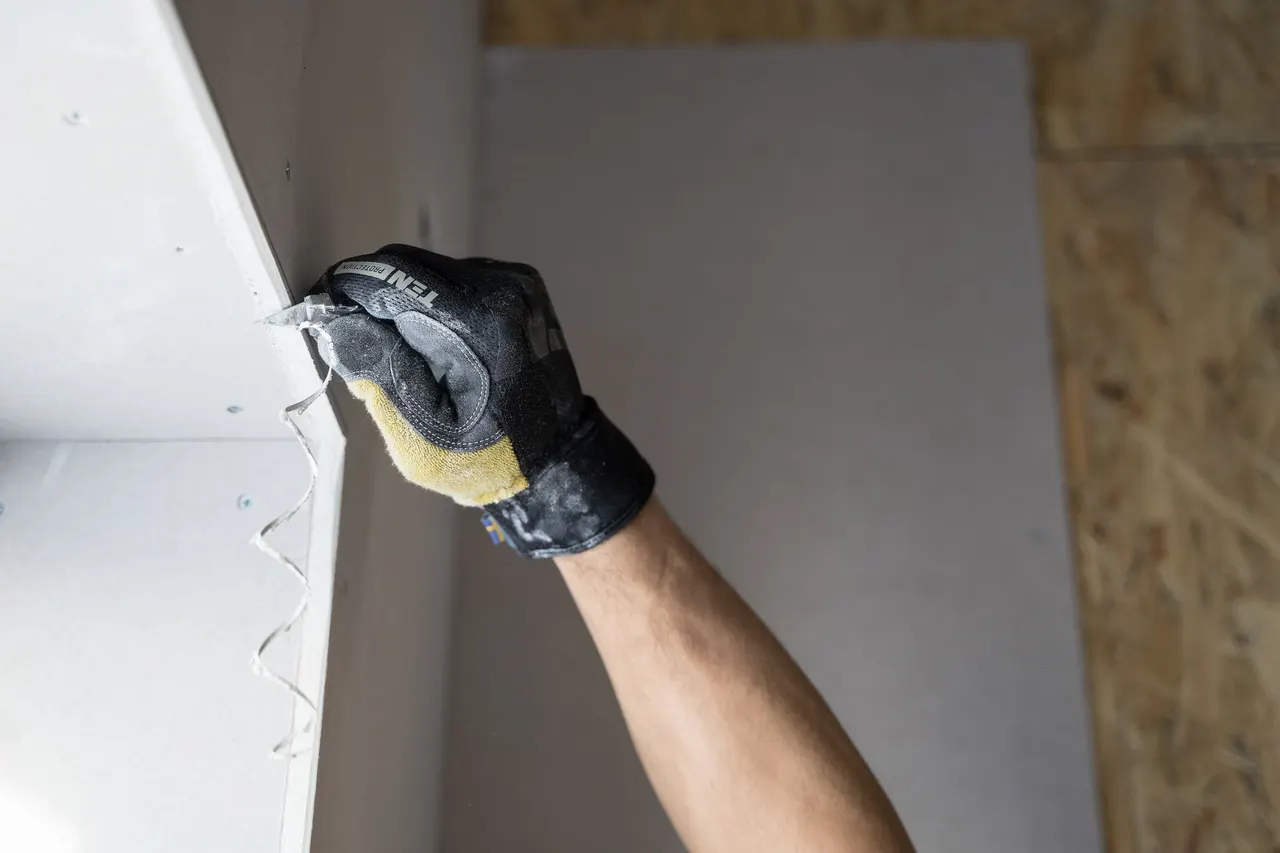
Outside these areas? Call and ask, we will tell you straight. +15736984623
Most residential dry-outs run $1,200 to $3,500 depending on square footage, how many rooms are affected, and how long the equipment runs. Hardwood floor restoration cost Jefferson City Missouri climbs when boards need sanding and refinishing after drying. We scope the job in Xactimate and walk you through the numbers before any equipment goes down.
Yes, if we get to them within about 48 hours. Solid hardwood that has been wet for a day or two usually dries flat again with controlled airflow and humidity. Boards that have been wet for a week, or that show black staining and mold growth, often need replacement. We meter the floor and tell you which boards are saveable.
Plan on three to five days for a typical room, sometimes seven for thick oak over a crawl space. We check moisture content every 24 hours and do not pull equipment until the wood reads a dry standard for this climate. Rushing the dry-out is how floors cup after the fact.
We do, and we are local. Call +15736984623 and we will send a crew with extraction and drying equipment to your address. We cover Downtown Jefferson City, Ellis-Porter, Moreau Heights, and the rest of Cole County, and we work directly with your insurance adjuster so you are not stuck in the middle.
Every hour a wet floor sits, the odds of saving it drop. Call +15736984623 and we will send a crew with extraction and drying equipment to your Jefferson City address. We document the damage, work with your adjuster, and dry the floor until it reads dry.
Call +15736984623 any time, day or night. A live dispatcher answers, not a machine, and we will tell you exactly when a crew can reach your address. Most Jefferson City calls see a technician within about 60 minutes. If you prefer email, send photos and your address to info@24/7jeffersoncitywaterdamagerestoration.com and we will follow up fast.