Written scope
Affected area, water category, and price
When a pipe bursts or your sump pump quits, water extraction and removal Jefferson City MO crews handle the mess before mold takes hold. We pull standing water from basements, crawl spaces, and main floors, then dry the framing, drywall, and subfloor to IICRC S500 standards. One call gets a truck to your door, day or night, anywhere in Cole County.
Every job starts with an inspection and ends with a dry standard check. Here is what is covered in a standard water extraction and removal scope, and where add-on work like drywall replacement or duct cleaning comes in.
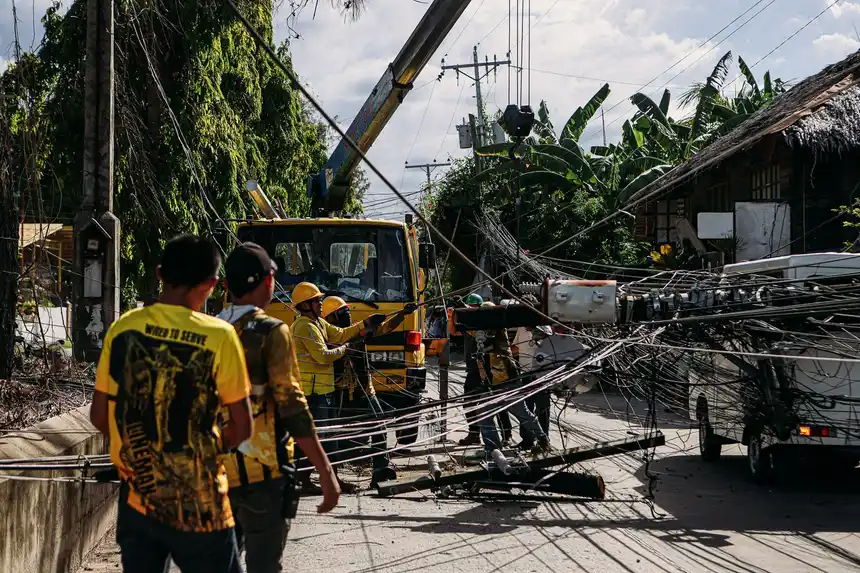
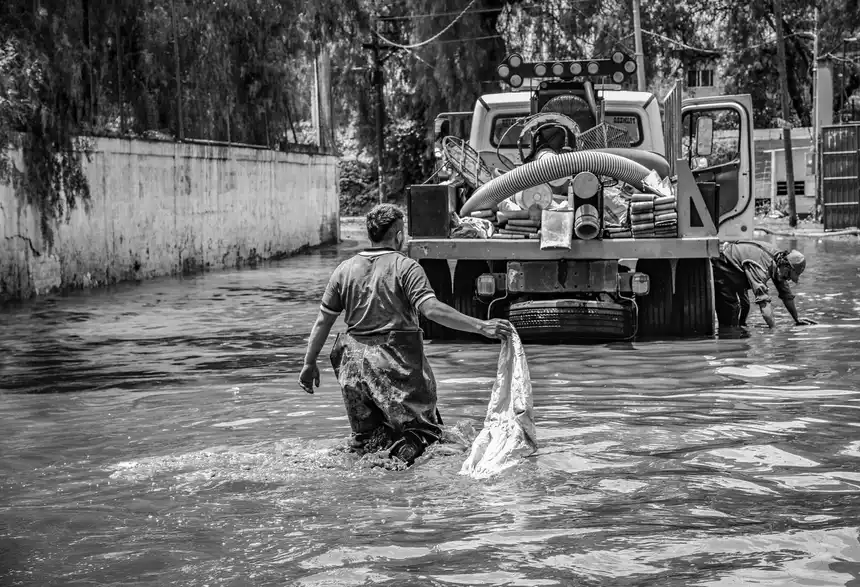
We extract standing water from basements, kitchens, and bathrooms, then dry the framing and floors. You get daily readings and a written scope before work starts.
We work after hours to extract and dry commercial spaces without shutting your doors longer than needed. Every step is documented for your property claim.
Water extraction and removal Jefferson City MO is the physical process of pulling standing water out of a structure and drying the materials it soaked into. It starts with a moisture map: a thermal imaging camera and pin-type moisture meter trace the water's path through drywall, insulation, and wood subflooring. From there, a truck-mounted water extractor pulls hundreds of gallons from carpet and pad, while a portable extraction unit reaches tight spaces like closets and under cabinets. Air movers and dehumidifiers finish the job.
Most Jefferson City calls come from three sources: a burst pipe behind a bathroom wall, a sump pump failure during a spring storm, or a sewage backup in a finished basement. Water sitting more than 24 hours starts feeding mold growth, and musty odors follow within 48. That is why our water removal service Jefferson City MO teams treat every hour like it matters. If you need water extraction and removal near me Jefferson City MO, we roll with the same equipment on a Sunday night as a Tuesday morning.
We pull the water, dry the structure, and prove it with readings.
Five steps, one crew, no handoffs. Here is exactly what happens from the moment you call until the last air mover is picked up.
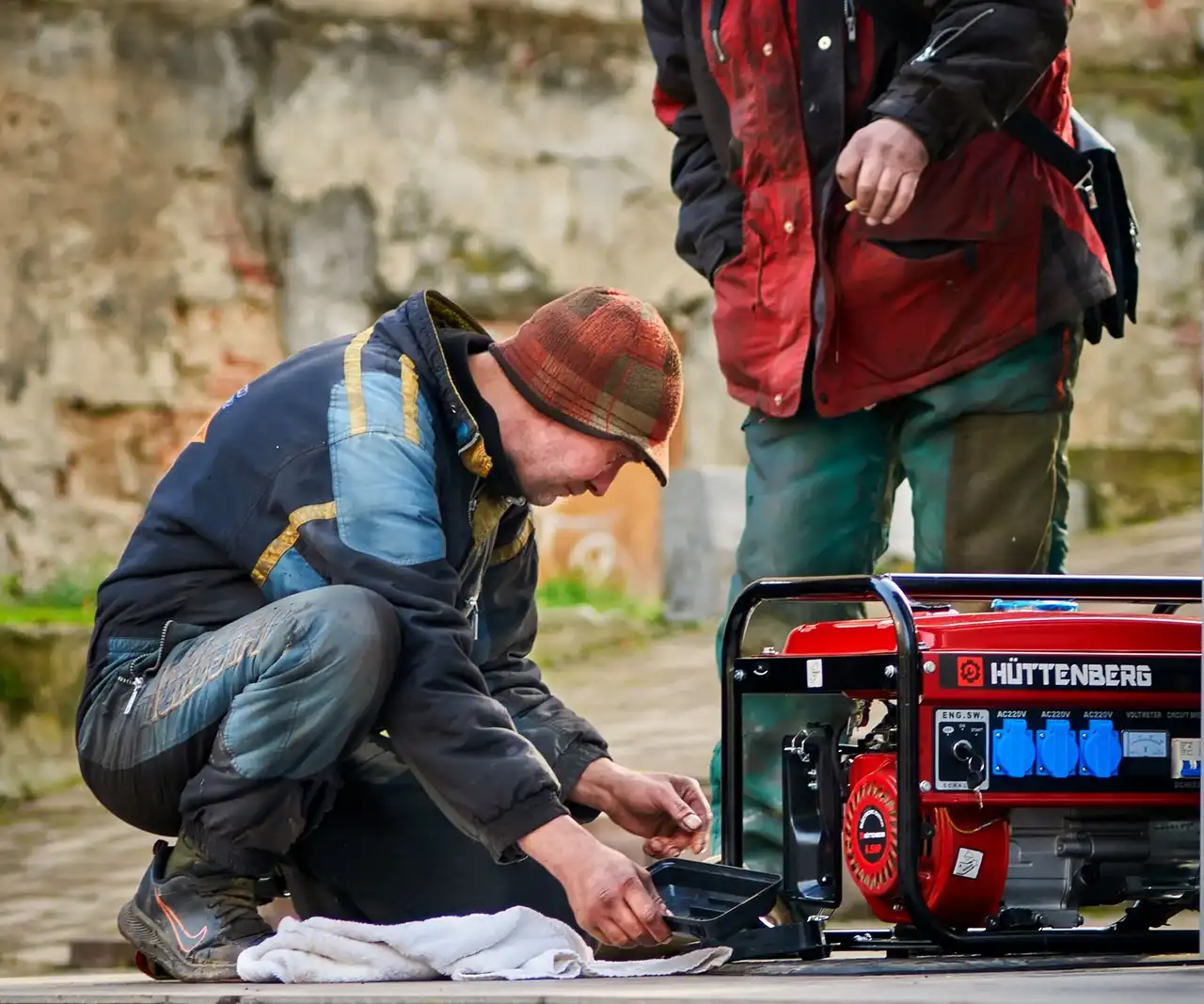
You call +15736984623 and describe what you see. We ask three questions: where is the water coming from, how deep is it, and is the power off. Within minutes we dispatch a truck stocked with a portable extraction unit, absorbent pads, and plastic sheeting to protect your furniture.
On arrival, a technician walks the property with a thermal imaging camera and moisture meter. We mark wet zones on a floor plan, check the ceiling below any second-floor bathroom, and test the HVAC system for water in the ducts. This takes 20 to 30 minutes and sets the drying plan.
We start with the deepest standing water, using a truck-mounted water extractor for volume and a portable unit for edges and closets. Carpet and pad come up if the pad is saturated. Sewage backup jobs get a full biohazard protocol with disinfectant and HEPA vacuum before anything else runs.
Air movers go in at a 45-degree angle to the wall, and dehumidifiers run continuously. We install ZipWall barriers to keep dry rooms dry and set a negative air machine when contamination is a concern. Drying typically runs three to five days, and we check readings every 24 hours.
We do not pack up until the moisture meter matches a dry standard for the material. You get a closing report with daily readings, photos, and the equipment log. If any drywall or insulation needs replacement, we note it so your contractor or ours can finish the repair.
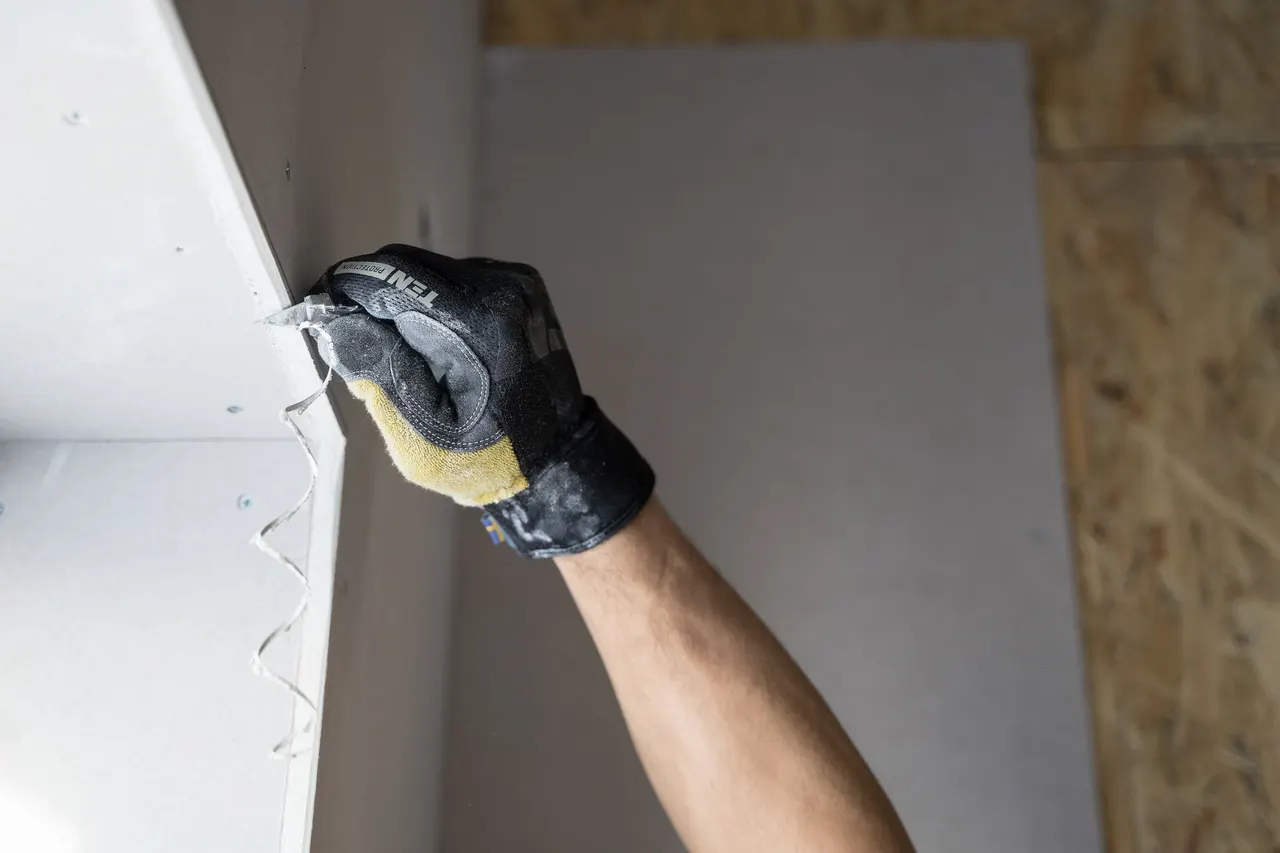
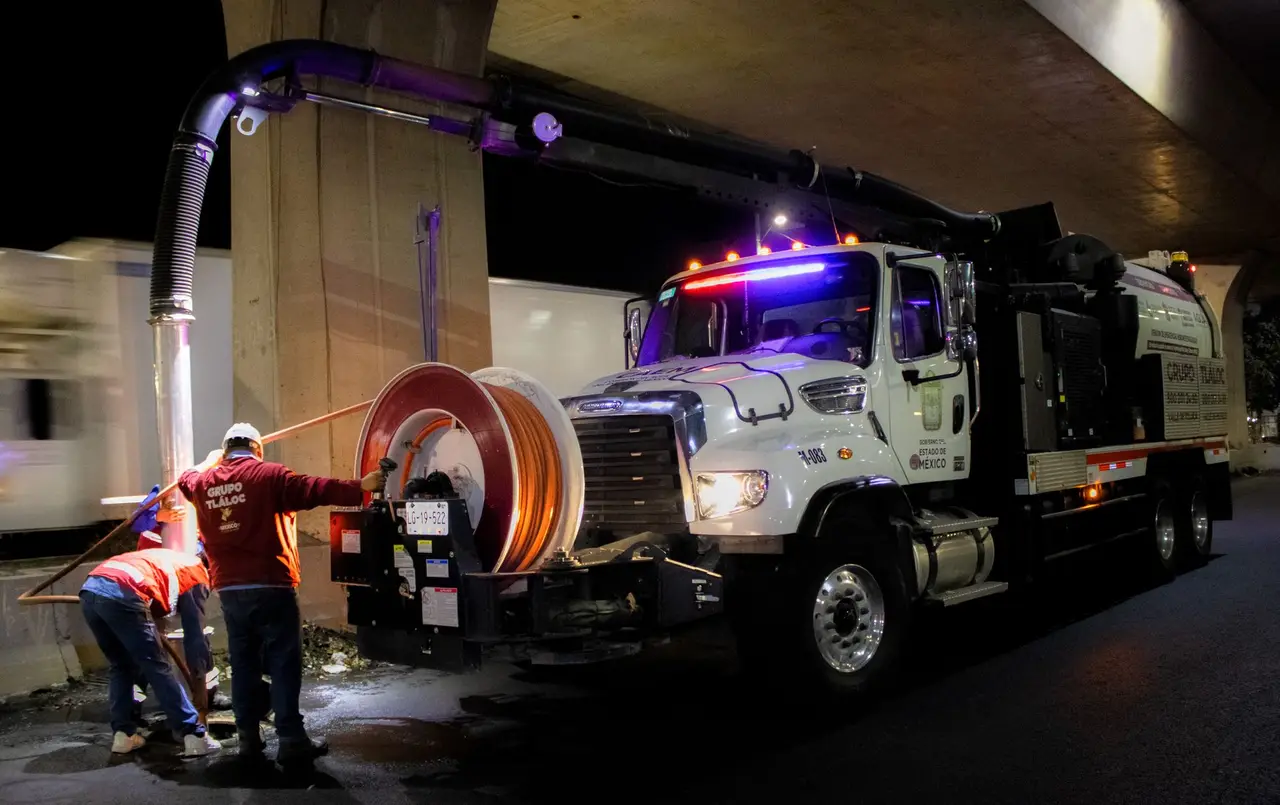
Pulls 50 to 100 gallons per minute from carpet, pad, and hard floors. This is the first tool off the truck on any volume job and the reason a flooded basement is dry to the touch in hours, not days.
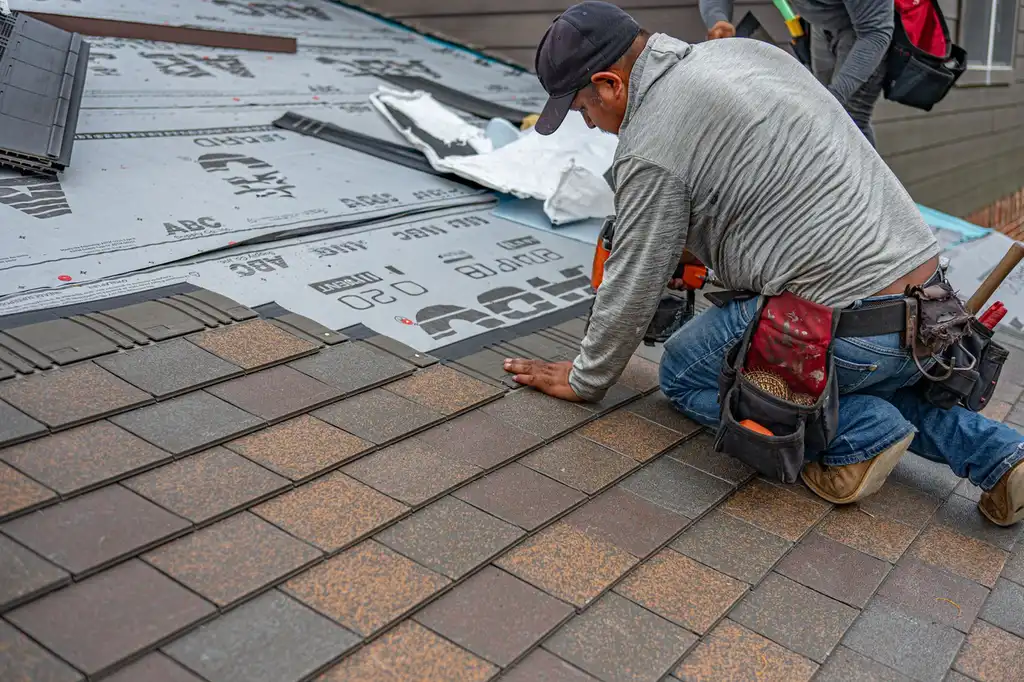
Reaches closets, cabinet bases, stairs, and other tight spots a truck mount cannot. We run it alongside the main extractor so no edge or corner gets missed.
Maps the water's path behind walls and under floors. We use both on the initial inspection and again at every daily check to confirm the drying is actually working.
Looks inside wall cavities and duct runs without a full tear-out. It confirms whether a cavity is dry before we close it up, which prevents callbacks and hidden mold.
Pulls moisture out of the air while air movers evaporate it from materials. We run Dri-Eaz, Phoenix Restoration Equipment, and B-Air units, all calibrated before each job.
Contains dust and microbial particles on sewage and contaminated water jobs. The negative air machine keeps the work zone under pressure so debris does not migrate into clean rooms.
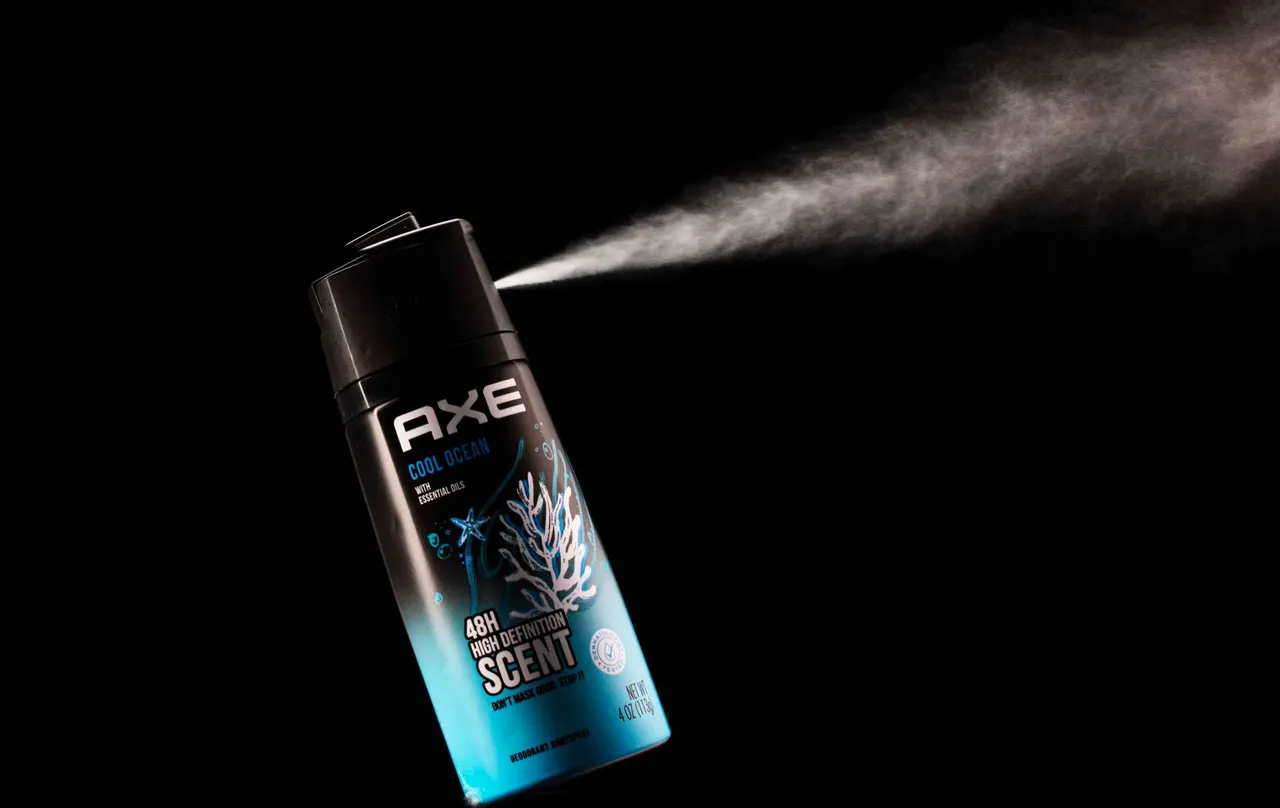
Neutralizes musty odors at the source after extraction and drying. We run them in unoccupied spaces only, and we ventilate before anyone returns to the room.

Every scope follows the S500 standard for classifying water, mapping the affected area, and setting drying goals. It is the same framework your adjuster uses, which is why our documentation moves through claims without a second inspection.
We dispatch an emergency truck with a truck-mounted water extractor and absorbent pads. The crew shuts the line down, extracts from the floor, and sets air movers and a dehumidifier to start drying the framing immediately. You wake up to a dry floor and equipment already running instead of a spreading puddle and a mold problem three days later.
We pump and extract the standing water, pull saturated carpet pad, and treat the concrete and framing with an antimicrobial solution. Dehumidifiers run until the moisture meter hits the dry standard. The basement dries in four to five days, the musty smell never develops, and we flag the discharge line issue so the pump does not fail again.
We pull the appliance, extract from the cabinet base and floor, and use a moisture meter to check the surrounding drywall for hidden water damage behind walls. Air movers dry the cabinet base and subfloor. The cabinet and floor dry without a full tear-out, and you have documentation if the flooring needs replacement later.
We tarp the breach if it is still open, extract any pooled water above the ceiling, and dry the attic decking, insulation, and joists. A thermal imaging camera confirms the ceiling cavity is dry before repair. The ceiling is repaired once instead of twice, and your roofer and adjuster are working from the same documented scope.
Jefferson City sits in a river valley, and that geography shapes almost every job we run. Spring storms push Moreau Creek and the Missouri River toward their banks, and sump pumps in Millbottom and Riverside work overtime. Winter brings the other problem: frozen pipe calls spike when temperatures drop into the teens, especially in older homes near Downtown Jefferson City and Old Munichburg where supply lines run through exterior walls and unheated crawl spaces. Building stock matters too. A lot of the housing here was built before 1978, so EPA Lead-Safe Certification practices apply when we cut into painted drywall. Clay tile drain lines are common, and they crack with age, which is why basement water extraction Jefferson City MO calls often start with a floor drain backing up rather than a burst pipe. We follow Missouri Department of Natural Resources regulations on disposal, and every technician works under a State of Missouri contractor license. If you need professional water removal service Jefferson City MO crews who know this housing stock, we have dried basements in every one of these neighborhoods.
A supply line in an exterior wall froze and split in January. Water ran down the wall cavity and spread across about 400 square feet of basement floor, soaking carpet, pad, and the bottom two feet of drywall on three walls.
We extracted 60 gallons with a truck-mounted unit, pulled the saturated pad, and cut a two-foot flood cut on the wet drywall. Air movers and a desiccant dehumidifier ran for four days. Final moisture readings matched the dry standard on all reference points.
We flagged the exterior-wall line for insulation and recommended a smart shutoff valve. Both changes prevent the same freeze-split from happening again next January.
A spring storm dropped three inches of rain in a few hours and the sump pump quit overnight. Two inches of water covered a finished basement with carpet, a sectional sofa, and stored holiday boxes. The musty smell was noticeable by morning.
We pumped and extracted the standing water, pulled carpet and pad, and treated the concrete and framing with an antimicrobial solution. Dehumidifiers ran five days. The sofa and boxes were dried off-site and returned clean. No mold growth was found at the final check.
We tested the new sump pump and cleared the discharge line, then recommended a battery backup. That backup is what keeps the basement dry during the next power outage.
A dishwasher supply line leaked under the cabinet for several days before the homeowner noticed a spongy spot in the vinyl floor. A moisture meter showed the cabinet base and the subfloor at 24 percent moisture, well above the dry standard.
We pulled the appliance, extracted from the cabinet base and floor, and dried the area with air movers for three days. Readings dropped to 11 percent, within the dry standard for wood subflooring. The cabinet base was saved without a tear-out.
We recommended replacing the braided supply line every five years and adding a leak sensor under the sink. Both are inexpensive fixes that catch the next leak on day one instead of day five.
Water finds the path of least resistance, and that path is rarely where you expect it. These are the calls we run most often in Jefferson City and what happens when they get ignored.

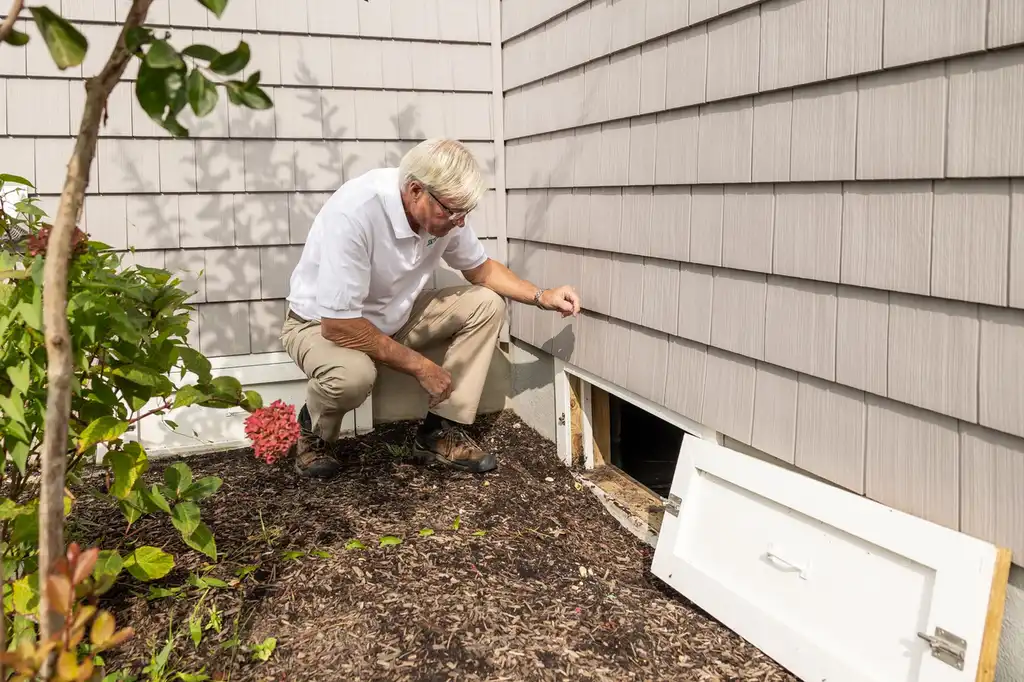
We shut the line down, cut a clean access, and extract from the floor and any pooled cavity water. A borescope inspection camera confirms the cavity is dry before we close it, and we coordinate the plumbing repair so the source is fixed first. Water spreads through the wall cavity and into the ceiling below, soaking insulation and drywall paper. Left overnight, mold can start on the studs and the repair grows from one room to three.
We extract the standing water with a truck-mounted unit, pull saturated pad, and dry the concrete and framing with air movers and dehumidifiers. We also check the pit and discharge line so the next storm does not repeat the failure. The pit overflows and water spreads across the basement floor, wicking into drywall, stored boxes, and any carpet. Standing water above 24 hours starts feeding mold growth and musty odors.

We isolate the area with ZipWall barriers and a negative air machine, remove contaminated materials, and disinfect with an antimicrobial solution. Extraction and drying come after containment, never before. Category 3 water carries bacteria and pathogens. Anything porous it touches, from carpet to drywall to insulation, is contaminated and cannot be dried in place.
A thermal imaging camera and moisture meter map the water's path, and a borescope inspection camera confirms what is happening inside the cavity. We dry to a number, not a feeling, and document the readings for your claim. A slow supply line leak can run for weeks without a visible puddle. By the time a ceiling water stain shows up, the subfloor and joists may already be compromised.
We schedule same day water extraction service Jefferson City for most calls placed before 4 p.m., and we run emergency trucks overnight. A truck-mounted extractor pulls 50 to 100 gallons per minute, so a flooded 1,000-square-foot basement is usually dry to the touch in two to four hours.
Mold can colonize wet drywall in 24 to 48 hours. We apply an antimicrobial solution to framing and subflooring as soon as extraction is done, then set desiccant dehumidifiers to pull moisture out of the air. That one-two punch is what keeps a small leak from becoming a $12,000 remediation.
We photograph every affected room, log moisture readings on a Hygrometer and moisture meter, and build an Xactimate-compatible scope. Adjusters get the numbers they need in a format they already accept, which shortens the gap between your claim and your check.
A wet ceiling stain rarely tells the whole story. We use a borescope inspection camera inside wall cavities and a thermal imaging camera across ceilings to find water behind tile, under hardwood, and inside HVAC chases. Catching it early saves the subfloor and the joists.
Clear records you can keep and share.
Affected area, water category, and price
Daily readings on the same reference points
Before, during, and after images for your claim
The first hour matters more than the first day. Shut off the water source if you can, and keep people out of standing water near outlets.
Find the main shutoff or the appliance valve and close it. Water that keeps coming in undoes every gallon we extract.
A household vacuum cannot move water fast enough and can spread it further. We bring extractors built for volume.
Lift boxes, rugs, and electronics off the wet floor. Anything porous that stays down wicks water and may not dry.
Outside these areas? Call and ask, we will tell you straight. +15736984623
Most residential jobs run $450 to $1,800 for extraction and drying, with typical 2026 pricing in this area. A small appliance leak that wets one room sits near the low end; a flooded basement with sewage backup and contaminated drywall pushes higher. Square footage, water category, and how many days the dehumidifiers run are the three biggest levers. We give you a written scope before we start.
Extraction itself takes two to four hours for an average basement or main floor. Structural drying runs three to five days, and we check moisture readings every 24 hours. If drywall or insulation has to come out, add a day for removal and a day for the repair. You get a daily update so you know exactly where the job stands.
We do, and we cover the whole city, from Downtown Jefferson City to Cedar City and Apache Flats. Our trucks carry truck-mounted extractors, air movers, and dehumidifiers, so we are not waiting on a rental yard. Call +15736984623 and we will confirm a window before we hang up.
Yes. Call before 4 p.m. and we schedule same day water extraction service Jefferson City for most addresses in Cole County. Overnight calls get an emergency truck. Standing water is the priority because every hour it sits, the repair bill grows and the odds of mold growth climb.
Every hour that water sits, the repair bill grows and mold gets a head start. Call +15736984623 and we will dispatch a crew with extraction and drying equipment. We give you a written scope before the first hose comes off the truck.
Call +15736984623 any time, day or night. A live dispatcher answers, not a machine, and we will tell you exactly when a crew can reach your address. Most Jefferson City calls see a technician within about 60 minutes. If you prefer email, send photos and your address to info@24/7jeffersoncitywaterdamagerestoration.com and we will follow up fast.