Written scope
What is wet and what it costs
When water is rising in your basement or seeping under your floors, flood damage cleanup Jefferson City MO is the call that stops the damage from spreading. Our team handles flooded basements, burst pipes, sewage backups, and storm water intrusion across Cole County. We extract standing water, dry the structure, and sanitize the space so mold does not take hold. One call gets the water out and the drying started.

Every flood damage cleanup job starts with an inspection and a written scope, then moves through extraction, drying, sanitizing, and documentation. Here is what is covered in a standard residential or commercial loss, and what we handle as an add-on when the damage calls for it.
We handle flooded basements, burst pipes, and appliance leaks in houses and apartments across Jefferson City. You get a written scope before we start and daily moisture readings until the structure is dry.
Offices, restaurants, and retail spaces need water out fast so you can reopen. We schedule around your hours and prioritize the areas that affect your operation.
Flood damage cleanup Jefferson City MO is not just pumping water out of a room. It is a measured process: we find every wet surface with a thermal imaging camera and moisture meter, extract standing water with a truck-mounted water extractor, then dry the structure with air movers and dehumidifiers until the readings match a dry standard. We remove saturated drywall and insulation, treat the framing with antimicrobial solution, and document everything with photos and moisture logs for your insurance claim.
Most calls we run in Jefferson City start with a burst pipe, a failed sump pump, or storm water pushing through a window well. The Missouri River and local creeks can back up fast after a heavy rain, and older homes near Downtown and Old Munichburg often have stone foundations that wick water straight into the basement. If you are searching for flood damage cleanup near me Jefferson City MO at 2 a.m., we answer and dispatch. We also handle crawl space moisture and hidden water damage behind walls before it turns into mold growth.
Water comes out first, then we dry the structure to a measured standard.
From the first call to the final moisture reading, here is how a flood cleanup service Jefferson City MO job runs. You will know what is happening at each step and what it costs before we start.

You call +15736984623 and describe what is wet. We ask about the source, the rooms affected, and whether the water is clean or contaminated. A crew is dispatched with extraction and drying equipment. For most Jefferson City addresses we are on site within 60 to 90 minutes.
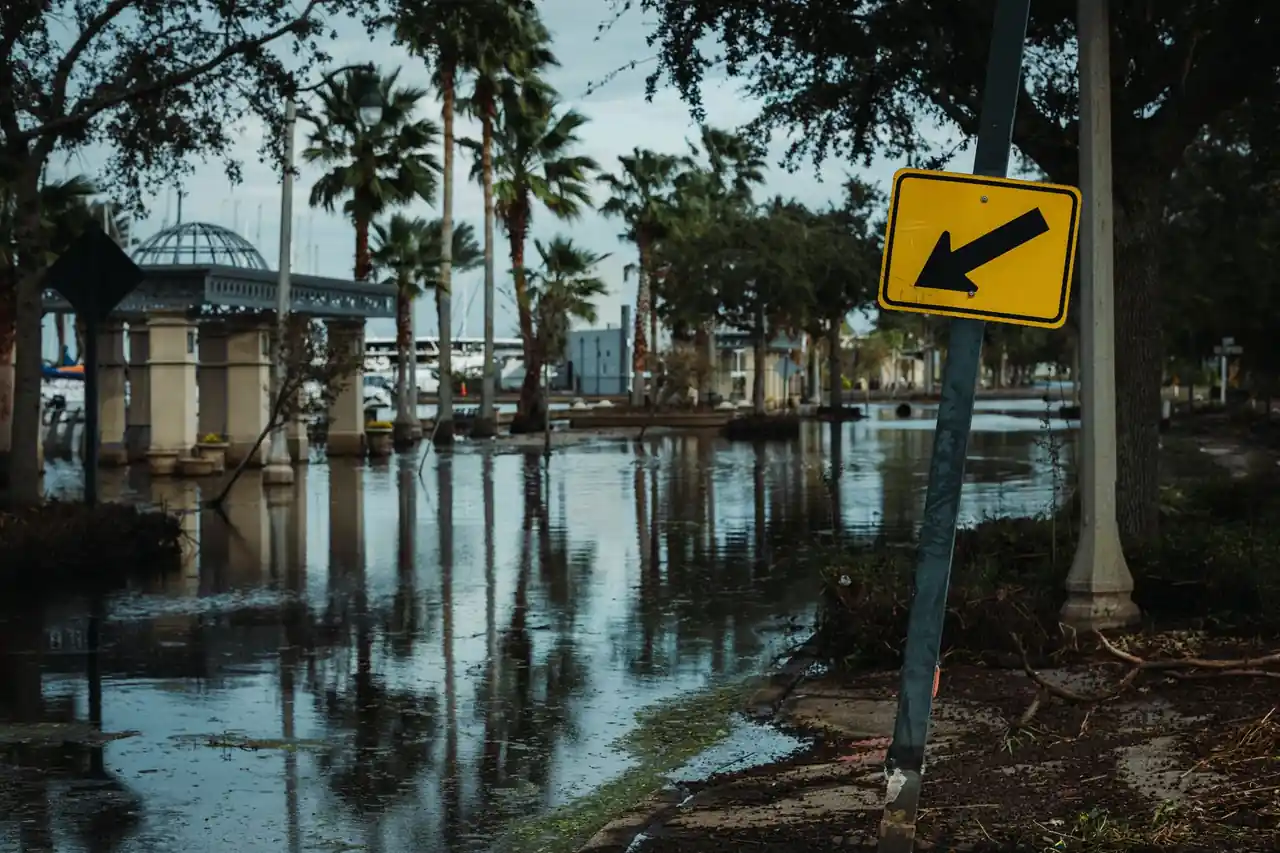
We walk the property with a thermal imaging camera, moisture meter, and hygrometer. We check behind baseboards, under flooring, and inside ceiling cavities with a borescope inspection camera. You get a written scope and an upfront price before any work begins.
Truck-mounted water extractors pull standing water from carpet, hardwood, and concrete. Portable extraction units reach tight spaces like closets and under cabinets. Absorbent pads go down in shallow areas. Extraction usually takes two to four hours on a typical residential job.
We set air movers and dehumidifiers to dry the structure. Dri-Eaz and Phoenix Restoration Equipment units run continuously, and we return daily to log moisture readings. Most homes dry in three to five days. We adjust equipment placement as the readings change.
Once the structure is dry, we apply antimicrobial solution and disinfectant to affected surfaces. Musty odors get treated with an ozone generator or hydroxyl generator. We do a final moisture check, remove our equipment, and hand you the completed documentation for your insurance claim.
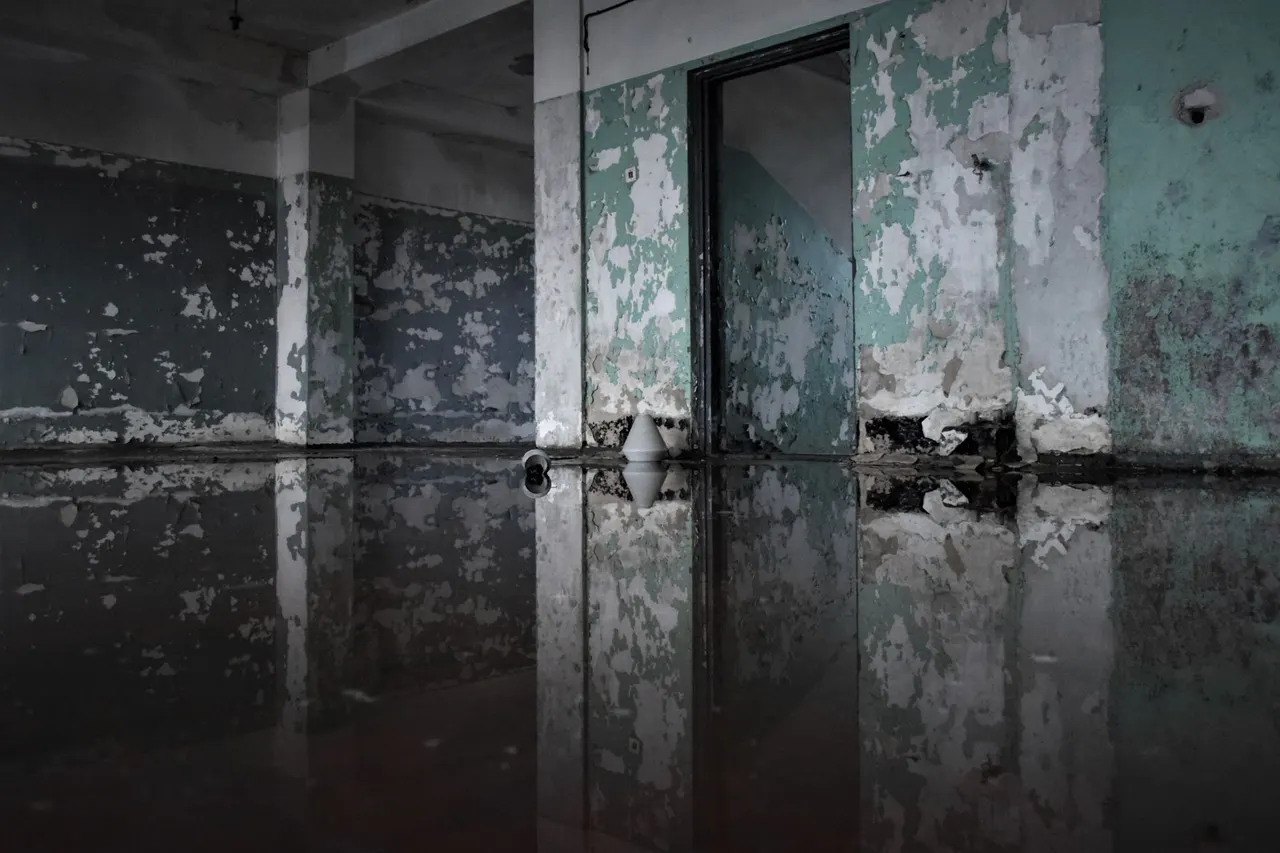
Pulls large volumes of standing water from carpet, hardwood, and concrete faster than portable units. This is the first piece of equipment on site for most residential losses.
Shows temperature differences that reveal water hidden behind walls, under floors, and inside ceiling cavities. We use it on every inspection to map the full extent of the moisture.
Measure moisture content in building materials and relative humidity in the air. Daily readings tell us when the structure has reached its dry standard so we know when to pull equipment.
Slides into wall cavities and ceiling voids through small openings. It confirms water and mold growth in places the thermal camera flags but cannot show directly.
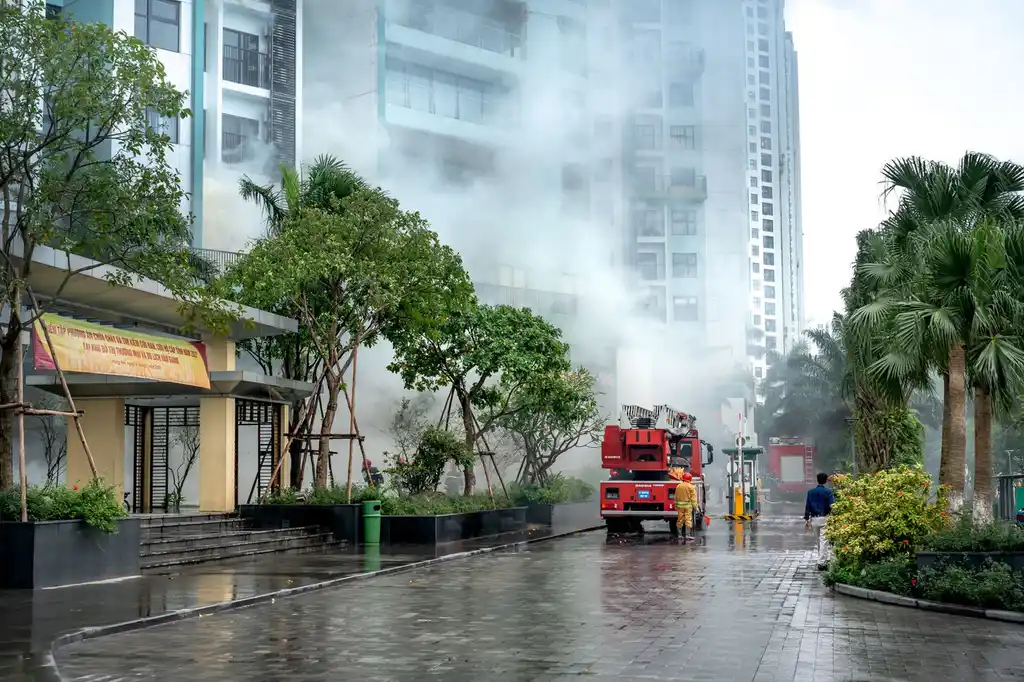
Dri-Eaz, Phoenix Restoration Equipment, and B-Air units move air across wet surfaces and pull moisture out of the air. Placement is based on the moisture map, not a standard formula.

Contain airborne particles during sewage backup and mold work. The negative air machine keeps contaminated air from spreading, and the HEPA vacuum captures fine debris during cleanup.
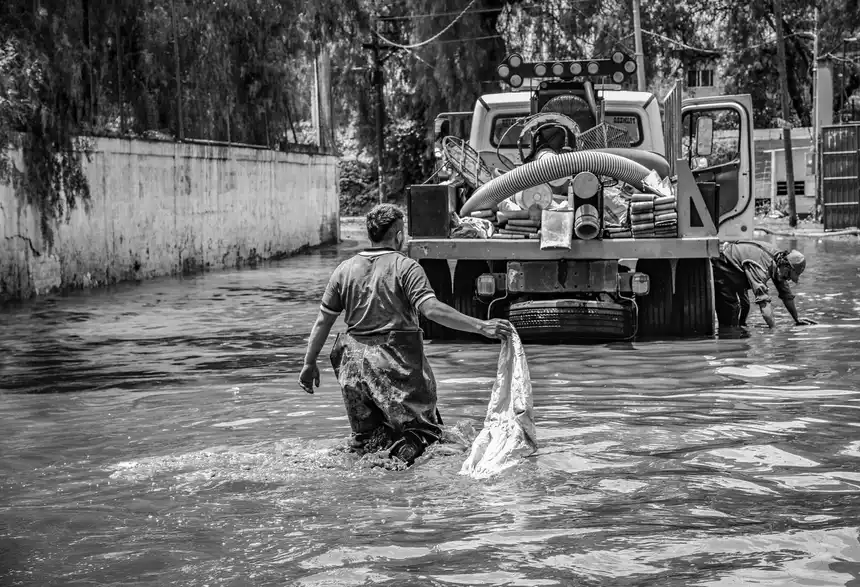
Eliminate musty odors after the structure is dry. These run in unoccupied spaces and treat the air and surfaces that absorbed odor-causing compounds.
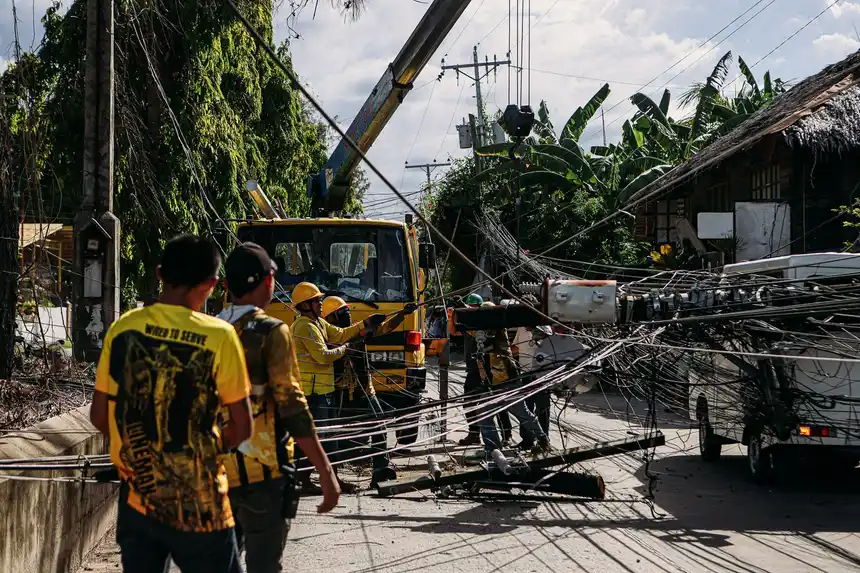
Our technicians follow IICRC WRT and ASD drying principles: establish a dry standard, map the moisture, set equipment based on affected materials, and monitor daily. We do not pull equipment on a calendar. We pull it when the readings say the structure is dry.
We dispatch a crew immediately, shut off the water supply, and extract standing water from the flooring. Air movers and dehumidifiers go down the same visit. We check the ceiling below with a thermal imaging camera to catch water that traveled through the floor. The floor and subfloor dry in three to four days instead of warping. You have documentation for the insurance claim and a clear picture of what needs repair.
We extract the standing water with a truck-mounted unit, check the sump pit for debris, and set dehumidifiers to pull moisture from the concrete and framing. We inspect the base of the walls with a moisture meter to see how high the water wicked. The basement is dry in four to five days. We tell you what the pump failure did to the walls and whether any drywall needs replacement.
Clean water from an appliance leak dries faster than contaminated water. We extract, set air movers, and check the cabinets and flooring for trapped moisture. If the vinyl or tile has water underneath, we document it and dry the subfloor. Most appliance leak jobs dry in two to three days. You avoid pulling up flooring that can be saved and get a record of any material that needs replacement.
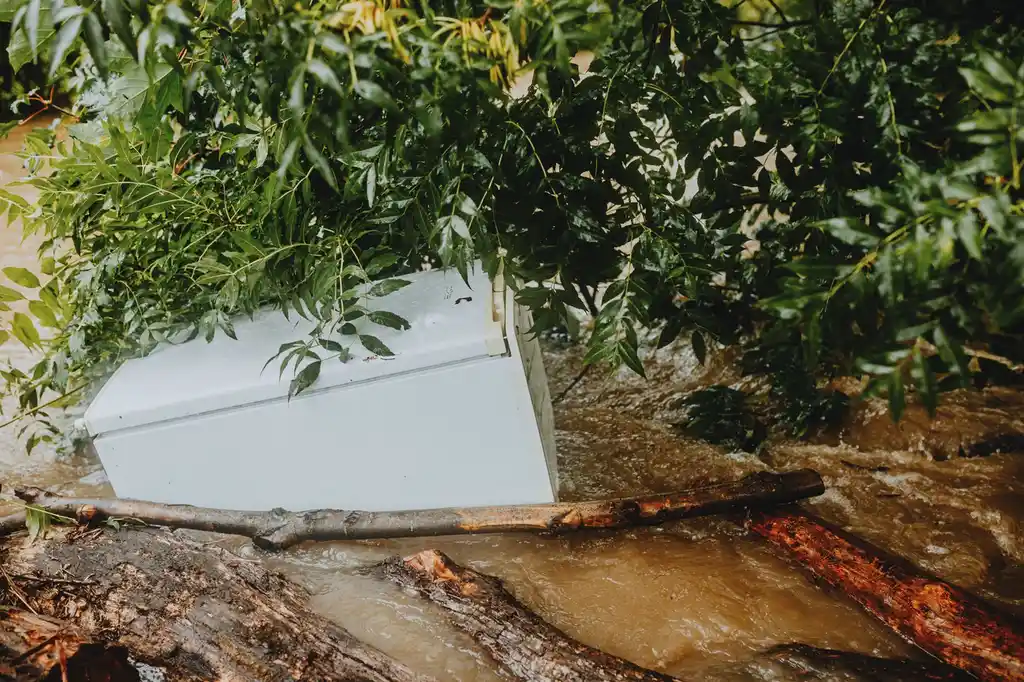
Outdoor flood water is contaminated, so we treat it as Category 3. We remove saturated carpet and pad, cut out wet drywall, and apply disinfectant and antimicrobial solution. Negative air machine and HEPA vacuum equipment run during the drying phase. The basement is safe to rebuild after four to six days of drying and treatment. You get a documented scope that reflects the contaminated-water handling your adjuster needs to see.
Jefferson City sits on the Missouri River, and that shapes almost every flood call we run. Spring storms push water into basements near Riverside and Millbottom, and the older housing stock in Old Munichburg and Downtown has stone foundations that wick moisture long after the rain stops. Winter brings a different problem: frozen pipes in unheated crawl spaces and vacation homes, often discovered when the water thaws and starts flowing. We adjust our drying setup to the construction type. A stone foundation basement dries differently than a slab-on-grade home near Capitol Avenue, and a finished basement in Moreau Heights needs different airflow than an unfinished one. We follow Missouri Department of Natural Resources regulations for water disposal and hold EPA Lead-Safe Certification for work in pre-1978 homes, which covers most of the older neighborhoods here. If you need flood cleanup service Jefferson City Missouri cost information before you commit, we give you a written scope and price after the inspection. For a 24/7 flood cleanup service Jefferson City residents can reach at any hour, call +15736984623.
A supply line to an upstairs bathroom burst overnight and sent water through the ceiling into a finished basement in Moreau Heights. Carpet, pad, and about 12 feet of ceiling drywall were saturated. The homeowner found it at 6 a.m. with water still dripping.
We extracted the standing water, removed the saturated pad and drywall, and set air movers and dehumidifiers. Moisture readings dropped to the dry standard in four days. The framing was treated with antimicrobial solution, and the homeowner had photos and logs for the insurance claim.
We recommended a moisture check on the supply line connections each fall before the heating season. A $15 braided hose costs far less than another basement flood.
A sewer line backed up into the ground-floor unit of a Capitol Avenue rental, soaking carpet and baseboards in two rooms. The tenant called the property manager, who called us. The smell was strong and the water was clearly contaminated.
We removed the carpet and pad, cut out the affected baseboards, and applied disinfectant and antimicrobial solution to the concrete and framing. A negative air machine and HEPA vacuum ran during the work. After four days of drying, an ozone generator cleared the odor completely.
The property manager now schedules an annual sewer line inspection. We also suggested backwater valves on the two lowest units to prevent a repeat during heavy rain.
Heavy spring rain pushed water through a window well into the crawl space of a home near Riverside. The insulation was saturated and the floor joists were reading high on the moisture meter. The homeowner noticed a musty smell in the living room above.
We pumped the standing water, removed the wet insulation, and set desiccant dehumidifiers. Plastic sheeting went over the soil to block ground moisture. Joist readings returned to normal in five days, and the musty smell did not come back.
We suggested extending the downspouts and regrading the window well. Keeping surface water away from the foundation is the cheapest crawl space protection there is.
Water damage rarely looks as bad as it is. These are the problems we see most often in Jefferson City homes and businesses, and what happens when they are left alone.
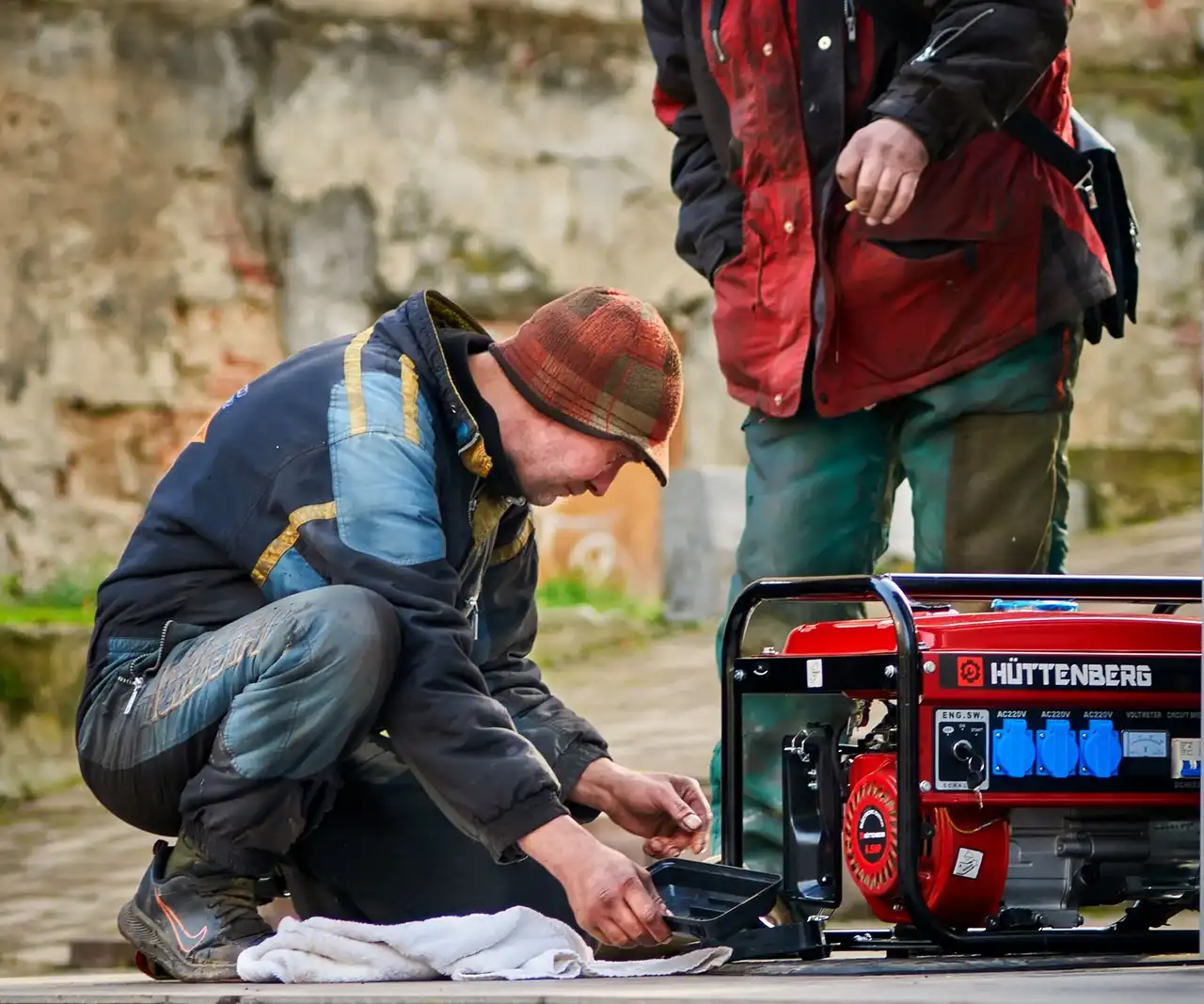
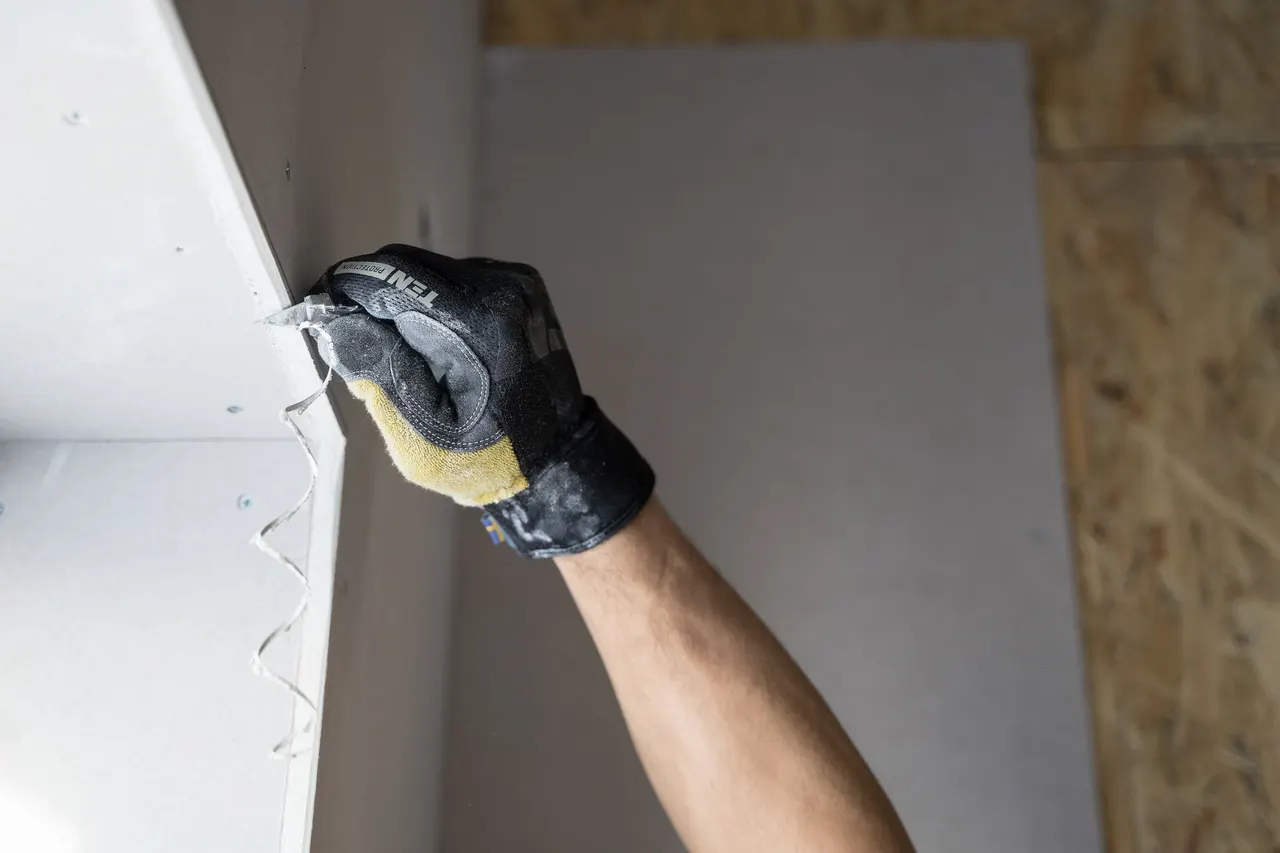
We use a thermal imaging camera and moisture meter to find water the eye cannot see, then a borescope inspection camera to confirm it inside the cavity. We open the wall, dry the framing, and document the readings so your insurance claim reflects the real damage. Drywall feels dry to the touch while the framing behind it stays wet for weeks. That trapped moisture feeds mold growth and rots the studs. By the time you smell it, the repair is far more expensive.
We remove all contaminated materials, apply disinfectant and antimicrobial solution to the framing and concrete, and run a negative air machine and HEPA vacuum to clear the air. An ozone generator or hydroxyl generator finishes the odor removal after drying is complete. Category 3 water carries bacteria and pathogens. Carpet, pad, and drywall that absorb it cannot be cleaned and must be removed. The odor lingers for months if the space is not properly treated.

We remove standing water, set desiccant or refrigerant dehumidifiers, and lay plastic sheeting over the soil to block ground moisture. We check the joists and subflooring with a moisture meter before we call the job done. A damp crawl space rots floor joists from below and pushes musty odors into the living space. Insulation stays wet and loses R-value. Mold growth in the crawl space can spread to the floor above.
We dry to a measured standard using daily hygrometer and moisture meter readings, not a fixed number of days. Once the structure is dry, we treat the air with an ozone generator or hydroxyl generator. If mold growth is present, we contain it with ZipWall barriers and plastic sheeting before removal. If the structure was not dried to its dry standard, microbial activity continues inside the walls. The smell comes back within weeks and gets worse in humid Missouri summers.
Standing water wicks up drywall within hours and into framing within a day. We extract first, then set drying equipment the same visit. Most residential jobs are dry in three to five days, depending on materials and how long the water sat before you called.
Every affected room gets moisture readings, photos, and a written scope before we remove anything. That record is what your adjuster needs to approve the work. We use Xactimate-compatible documentation so the claim moves without back-and-forth.
Sewage backup and outdoor flood water are Category 3, meaning they carry bacteria and require more than a wet-vac. We remove affected materials, apply disinfectant and antimicrobial solution, and run a HEPA vacuum and negative air machine to clear the air before reconstruction.
We do not guess when a room is dry. Daily hygrometer and moisture meter readings tell us when the structure has reached its dry standard. We pull equipment only when the numbers say the wood and drywall are back to normal moisture content.
Clear records you can keep and share.
What is wet and what it costs
Daily readings until the dry standard
Before and after for your claim
Clean water from a supply line and contaminated water from a sewer or flood are handled differently. Knowing which one you have changes what can be saved and what has to come out.
Supply line and appliance leaks are Category 1. Carpet and drywall can often be dried in place if you call within the first day.
Sewage and outdoor flood water are Category 3. Materials that absorb it must be removed, and the space needs disinfectant and air scrubbing.
A floor can feel dry while the subfloor and framing stay wet. We use a moisture meter and thermal camera to find what the surface does not show.
Outside these areas? Call and ask, we will tell you straight. +15736984623
Most residential flood damage cleanup jobs in Jefferson City run $1,200 to $4,500, with typical 2026 pricing around $2,800 for a finished basement. Small jobs like a single-room appliance leak can be under $800. Cost depends on square footage, water category, how many materials need removal, and how many days of drying are required. We give you a written scope and price before work starts.
We do. Our crews cover Jefferson City and Cole County, including Downtown, Old Munichburg, Moreau Heights, and the surrounding neighborhoods. We handle residential flood cleanup Jefferson City Missouri and commercial losses. Call +15736984623 and describe what is wet. We will tell you what to do while the crew is on the way, like shutting off the water supply or killing power to a flooded area.
Most homeowner policies cover sudden water damage from burst pipes, appliance leaks, and sump pump failure. Flood water from outside the home usually requires a separate flood policy through the National Flood Insurance Program. We document the loss with photos, moisture readings, and a line-item scope so your adjuster can process the claim. We work directly with most major carriers.
Extraction takes two to four hours on a typical residential job. Structural drying runs three to five days, and we monitor moisture readings daily to confirm the structure is dry. Larger losses with sewage backup or multiple affected rooms can take longer. You get a realistic timeline after the initial inspection, not a guess over the phone.
Every hour that water sits, the damage gets deeper and the repair bill gets bigger. Call +15736984623 and we will dispatch a crew to your Jefferson City address. You get an upfront price before we start, and we document the loss for your insurance claim.
Call +15736984623 any time, day or night. A live dispatcher answers, not a machine, and we will tell you exactly when a crew can reach your address. Most Jefferson City calls see a technician within about 60 minutes. If you prefer email, send photos and your address to info@24/7jeffersoncitywaterdamagerestoration.com and we will follow up fast.