Local GuidesStorm Damage
Storm damage restoration in Jefferson City: steps after severe weather
Severe weather hits Jefferson City hard. Here are the exact storm damage restoration steps to take after the storm passes, from safety checks to insurance claims.
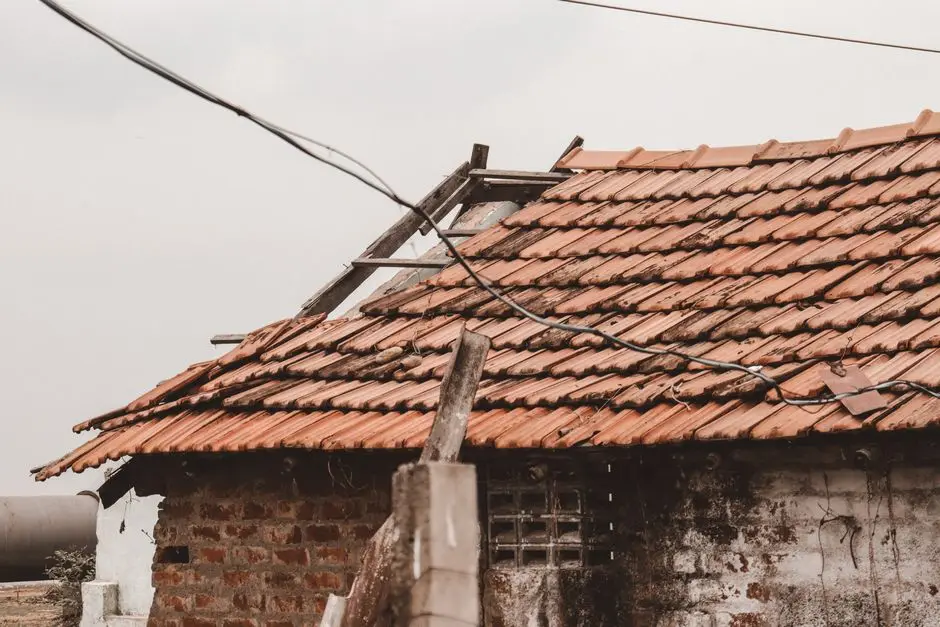
After a severe storm in Jefferson City, the first thing to do is make sure everyone is safe, then document the damage with photos before you move anything. Next, stop any ongoing water intrusion, call your insurance company, and get professional help to extract water and dry the structure within 24 to 48 hours to prevent mold. The rest of this article walks you through each of those storm damage restoration steps Jefferson City MO homeowners need to know, from the first hour after the storm to the final repairs.
We have worked hundreds of storm jobs across Cole County, from the older homes near the Capitol to newer builds out by the airport. The pattern is always the same: the homeowners who act fast and document everything get their claims approved faster and spend less on repairs. Here is the process we follow, and what you should do before we arrive.
Step 1: Make sure everyone is safe
Safety is the first step after severe weather in Jefferson City MO because storm damage often hides hazards that are not obvious. Downed power lines, gas leaks, and structural instability can turn a quick walk-through into an emergency. Before you do anything else, check on every person in the house and get everyone to a safe area.
If you smell gas or see sparks, leave immediately and call 911 from a neighbor's phone. Do not flip light switches or use your cell phone inside the house. Once you are outside, stay clear of downed lines - assume they are live. If your basement is flooded, do not wade in; the water could be charged from a submerged outlet or appliance.
We keep a 24/7 crew ready for exactly this reason. When you call us, we walk you through shutting off the gas and power from outside if it is safe to do so. If you are not sure, wait for us or for the fire department. No possession is worth your life.
Step 2: Document the damage before you touch anything
Documenting the damage before you clean up is the single most important thing you can do for your insurance claim. Adjusters want to see the scene as it was immediately after the storm. Once you start moving furniture or tearing out carpet, that evidence is gone.
Use your phone to take wide shots of every room, then close-ups of specific damage: water lines on walls, cracked windows, hail dents on siding, and any standing water. If you have a sump pump that failed, photograph the water level. If a tree hit the roof, get shots from the ground and from inside the attic if it is safe. We also recommend a short video walkthrough with narration - it helps adjusters understand the layout.
Make a written list of damaged items, including approximate age and value. Do not throw anything away until the adjuster says it is okay. If you have receipts or photos of the items from before the storm, gather those too. This documentation is the backbone of your claim, and it is also what our team uses to build a scope of work that matches what the insurance company will cover.
If you are not sure what to photograph, call us. We have handled enough insurance claim assistance and documentation Jefferson City MO cases to know exactly what adjusters look for.
Step 3: Stop the water and prevent further damage
Stopping the water at its source is the next step after severe weather in Jefferson City MO, because every minute of continued flow means more damage. Storm water can enter through a roof leak, a broken window, a failed sump pump, or a backed-up sewer line. Find the source and shut it down if you can do so safely.
If the water is coming from a roof leak, you cannot stop the rain, but you can slow the flow by placing buckets and towels. If a pipe burst, shut off the main water valve. If your sump pump failed during the storm, you may need to manually bail water or call us for a pump truck. We carry temporary roof tarps and board-up materials to keep the weather out until permanent repairs are made.
Once the flow is stopped, focus on preventing further damage. Move furniture and electronics off wet carpet. Prop up wet cushions. If the ceiling is sagging, poke a small hole to let water drain into a bucket rather than let it collapse. Do not use a shop vac on standing water if you suspect it is contaminated with sewage - that requires professional biohazard and contaminated water cleanup Jefferson City MO.
Step 4: Call your insurance company and start the claim
Calling your insurance company early is a critical step after severe weather in Jefferson City MO, because most policies require you to report damage promptly. Have your policy number and the photos you took ready. Tell them what happened, when it happened, and what damage you see. They will assign a claim number and may send an adjuster within a few days.
While you wait for the adjuster, keep a log of every conversation: date, time, who you spoke with, and what was said. If a contractor gives you an estimate, save it. We provide a detailed scope of work that you can hand directly to your adjuster - it includes moisture readings, affected square footage, and the equipment we plan to use. That level of detail speeds up approvals.
One thing to know: most standard homeowners policies in Missouri cover storm damage from wind, hail, and fallen trees, but they do not cover flood damage from rising water. Flood insurance is separate, usually through the National Flood Insurance Program. If your damage is from a flash flood, call your flood insurance provider instead. We can help you figure out which policy applies.
Step 5: Remove standing water and start drying
Removing standing water and starting the drying process within 24 to 48 hours is the most important step to prevent mold after severe weather in Jefferson City MO. Mold can begin growing in as little as 24 hours when wet materials stay above 60 degrees Fahrenheit. In a typical Missouri summer, that window is even shorter.
We use truck-mounted extraction units to pull water out of carpet, padding, and hardwood. For a typical flooded basement, we can remove several hundred gallons in under an hour. After extraction, we set up commercial air movers and dehumidifiers to dry the structure. The number of units depends on the size of the affected area - a 1,000-square-foot basement usually needs 6 to 8 air movers and 2 to 3 dehumidifiers running for 3 to 5 days.
We monitor moisture levels daily with meters and thermal imaging to make sure the drying is working. If we find hidden moisture behind walls or under floors, we may need to make small inspection holes. We also check the crawl space water removal and drying Jefferson City MO because crawl spaces trap humidity and can feed mold growth in the floors above.
For homeowners who want to understand the full drying process, we walk you through every reading. You will know exactly when the structure is dry and when it is safe to rebuild.
Step 6: Clean, sanitize, and repair
Cleaning, sanitizing, and repairing is the final phase of storm damage restoration in Jefferson City MO, and it is where the job either gets done right or leaves lingering problems. After the structure is dry, we clean all affected surfaces with antimicrobial solutions to kill any mold spores that may have started. We also use air scrubbers with HEPA filters to remove airborne contaminants.
Then we handle the repairs. That might mean replacing drywall, reinstalling carpet, repairing a roof leak, or fixing a broken window. We work with licensed tradespeople for electrical and plumbing work. For contents like furniture, electronics, and documents, we offer pack-out and cleaning services. If your hardwood floors were wet, we can often dry them in place and refinish rather than replace - saving you thousands.
We do not consider the job done until you have a dry, clean, and safe home. We do a final walkthrough with you, and we provide a certificate of completion that you can send to your insurance company.
What does storm damage restoration cost in Jefferson City Missouri?
Storm damage restoration cost in Jefferson City Missouri typically ranges from $2,500 to $12,000 for a typical home, depending on the extent of water intrusion and the materials affected. A small roof leak that only wets a ceiling might cost $1,200 to $2,500 to dry and repair. A flooded basement with carpet and drywall damage usually runs $4,000 to $8,000. If the storm causes structural damage, like a tree through the roof, costs can exceed $15,000.
These are 2026 pricing ranges for our area. The biggest factors are how much water entered, how long it sat, and what materials got wet. Carpet and padding are cheaper to replace than hardwood. Finished basements cost more to restore than unfinished ones. We provide a written estimate before we start, and we bill insurance directly whenever possible.
If you are paying out of pocket, we offer flexible payment options. We also help you prioritize the work so you can spread the cost over time. For example, you might dry the structure now and delay cosmetic repairs until you have the funds.
Common mistakes we see after severe weather in Jefferson City
The most common mistake we see after severe weather in Jefferson City is waiting too long to start drying. Homeowners often think the water will evaporate on its own. It will not - not fast enough to beat mold. Within 48 hours, you can have a mold problem that turns a $3,000 drying job into a $10,000 remediation.
Other mistakes:
- Not documenting before cleanup. Without photos, the insurance company may deny or reduce your claim.
- Using a shop vac on contaminated water. Sewage backups require professional biohazard cleanup, not a wet-dry vac from the garage.
- Running the HVAC system. If water got into the ducts, running the system spreads mold spores through the house. Turn it off and call us for HVAC and air duct water damage cleaning Jefferson City MO.
- Throwing away damaged items. Wait until the adjuster has seen them.
- Hiring the first contractor who knocks. After a big storm, out-of-town crews flood the area. Ask for local references and a physical address.
We have seen all of these mistakes turn a manageable restoration into a nightmare. If you are unsure about anything, call us before you act.
When to call a professional for storm damage restoration
Call a professional for storm damage restoration when water has entered your home and you cannot remove it within a few hours, or when the damage involves sewage, mold, or structural issues. If you see sagging ceilings, warped floors, or smell a musty odor, it is time to bring in a crew. We handle everything from extraction to repairs, and we work directly with your insurance company.
Our team at 24/7 Jefferson City Water Damage Restoration is available around the clock. We serve homeowners across Jefferson City and the surrounding areas, including older neighborhoods like Old Munichburg and newer developments off Highway 50. If you are not sure whether you need help, call us and we will give you an honest assessment over the phone. Sometimes a few tips are all you need. Other times, we need to be there in an hour.
We also offer free moisture inspections if you suspect hidden water. Using thermal imaging, we can find wet spots behind walls without tearing anything out. That service alone has saved many homeowners from a full mold remediation.
Frequently Asked Questions
What are the steps after severe weather for storm damage restoration in Jefferson City MO?
The steps are: 1) ensure safety, 2) document damage with photos, 3) stop water intrusion, 4) call your insurance company, 5) extract water and dry within 24-48 hours, and 6) clean, sanitize, and repair. Following these steps in order protects your health and your claim.
Who do I call for storm damage restoration in Jefferson City Missouri?
Call a licensed, local restoration company that offers 24/7 emergency service. We are 24/7 Jefferson City Water Damage Restoration, and we handle everything from emergency board-up to full repairs. Call us at +15736984623 any time, day or night.
Does insurance cover storm damage restoration in Jefferson City MO?
Most homeowners insurance policies cover storm damage from wind, hail, and fallen trees. Flood damage from rising water requires separate flood insurance. We help you document the damage and work directly with your adjuster to get your claim approved quickly.
How long does storm damage restoration take in Jefferson City?
Typical storm damage restoration takes 3 to 7 days for drying and cleaning, plus additional time for repairs. A small roof leak might be done in 2-3 days. A flooded basement with mold can take 1-2 weeks. We give you a timeline after our initial assessment.
Can I stay in my home during storm damage restoration?
In many cases, yes. If the damage is contained to one area and utilities are safe, you can stay. If there is sewage contamination, structural damage, or no power, we may recommend temporary relocation. We help you make that decision based on safety.
Get help with 24/7 Water Damage Restoration in Jefferson City
When severe weather hits, you need a team that answers the phone at 2 a.m. and shows up with the equipment to stop the damage. We are 24/7 Jefferson City Water Damage Restoration, and we are ready to help you through every step of the storm damage restoration process.
Call us now at +15736984623 for immediate assistance. We will dispatch a crew to your home, assess the damage, and start the drying process right away.