Written scope
Room-by-room list of what gets dried or replaced
When water stains spread across your ceiling, ceiling water damage repair Jefferson City MO is the only way to stop rot and mold. We handle ceiling repair service in Jefferson City MO for homeowners and landlords, from burst pipes to roof leaks. Call +15736984623 and we will dry, seal and rebuild the ceiling so it looks like nothing happened.
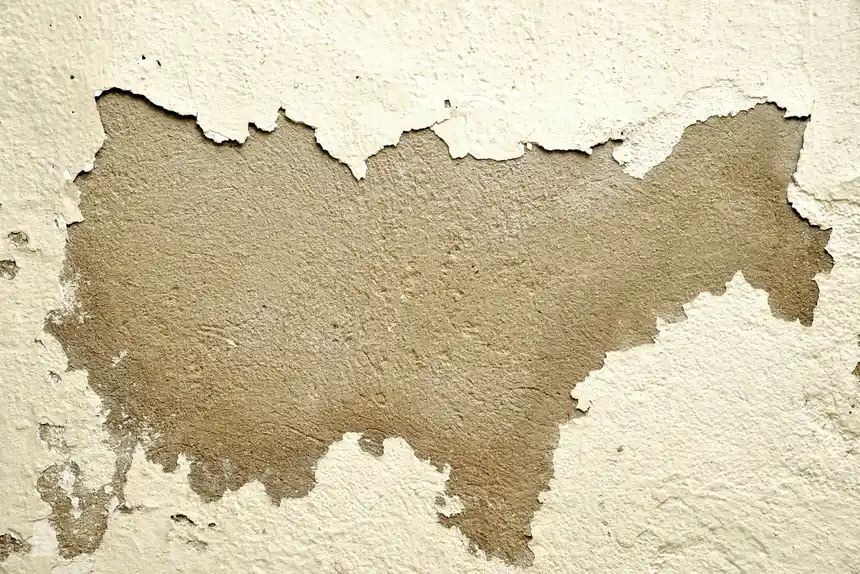
Every ceiling job starts with finding the water and ends with a finished surface. Here is what is covered in a standard ceiling water damage repair Jefferson City MO scope, and what we handle as an add-on when the damage is bigger than it looks.
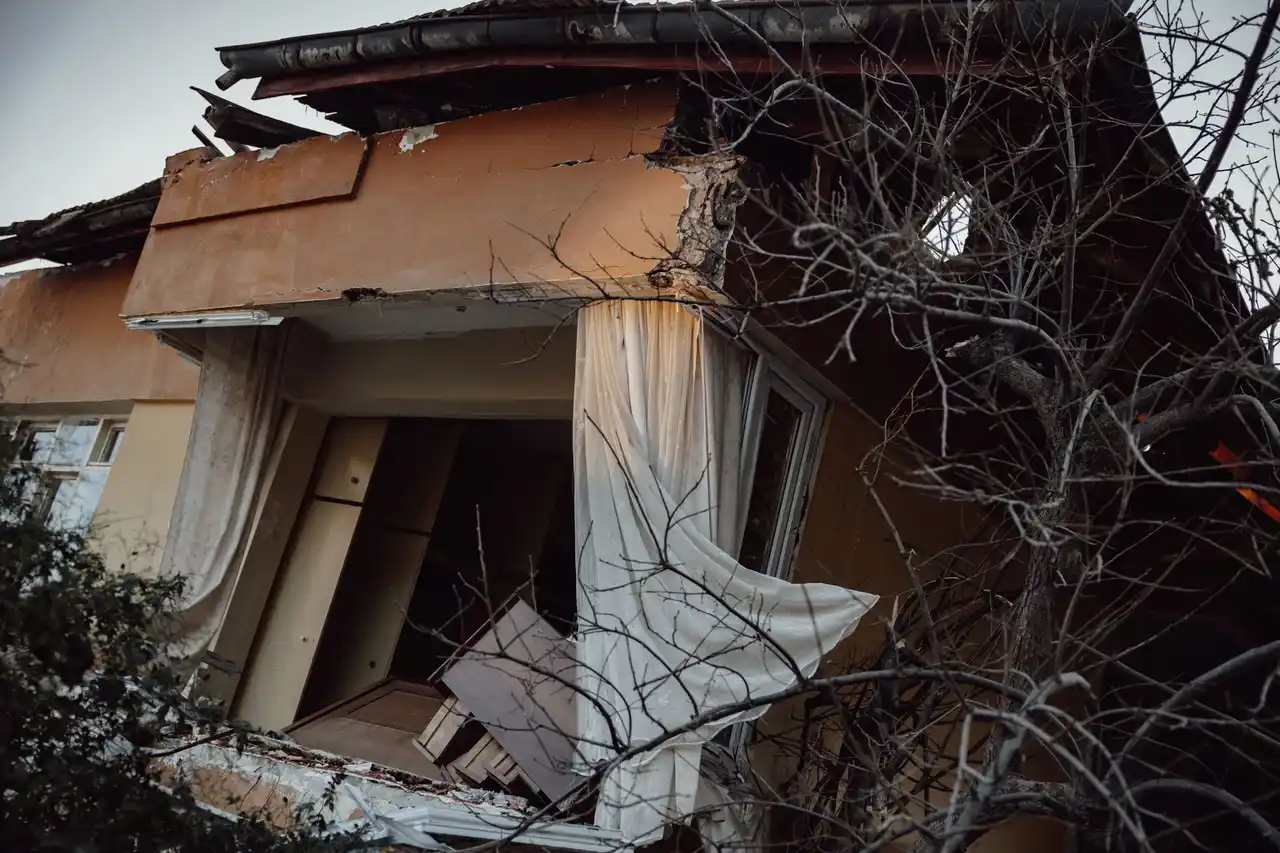
We repair ceilings in houses, apartments and duplexes across Jefferson City. You get a dry cavity, treated framing and a finished surface that matches the rest of the room.
We work in offices, retail spaces and rental properties around Jefferson City. Scheduling can be arranged around your business hours so the work does not interrupt operations.
Ceiling water damage repair Jefferson City MO is the process of stopping the leak source, drying the ceiling cavity, treating for mold and rebuilding the drywall or plaster so the surface is flat, sealed and paint-ready. Water travels along joists and pools above the drywall, so a small stain on your ceiling often means a much larger wet area above it. We use a moisture meter and thermal imaging camera to map the full extent before we cut anything.
In Jefferson City, ceiling water damage usually starts with a burst pipe, a frozen pipe in January, a roof leak after a spring storm or an appliance leak from the bathroom above. Older homes near Downtown and Old Munichburg often have plaster ceilings that hold water longer than modern drywall. If you search for water damaged ceiling repair Jefferson City, you need a crew that dries the structure first and repairs the surface second.
Find the water, dry the cavity, rebuild the ceiling so it looks original.
Every ceiling job follows the same five steps. You always know what is happening, what it costs and when we will be done.
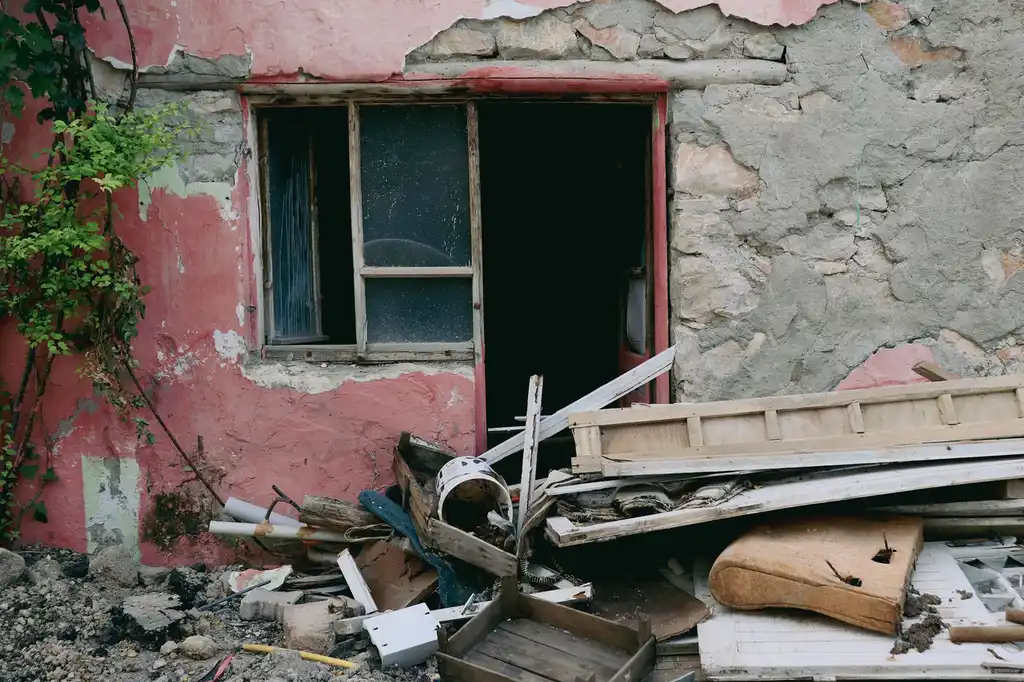
You call +15736984623 and describe what you see. We ask about the stain size, the room above and whether the ceiling is soft. A technician arrives with a moisture meter and thermal imaging camera to confirm the wet area. Most assessments take 30 to 45 minutes.
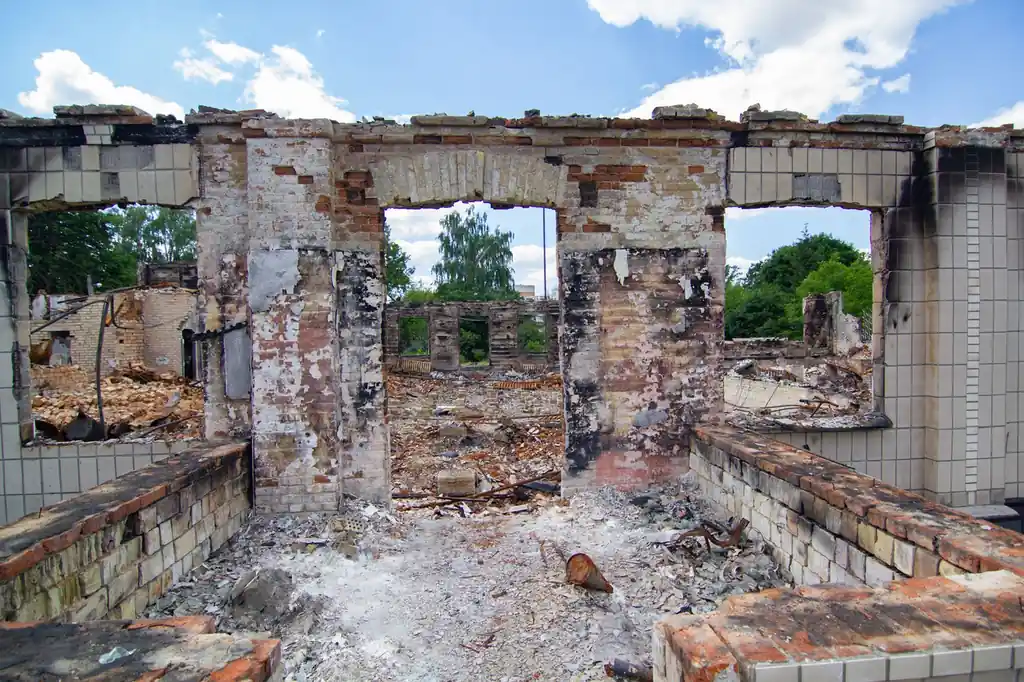
We find and stop the source first. That might be a burst pipe, a failed supply line or a roof leak. If the source is plumbing, we isolate the line. If it is a roof leak, we tarp the area until permanent repairs are made. No drying works while water is still coming in.

We set air movers and dehumidifiers to pull moisture out of the drywall, insulation and joists. In most Jefferson City homes, drying takes two to four days. We check readings daily with a hygrometer and adjust equipment until the structure is dry.
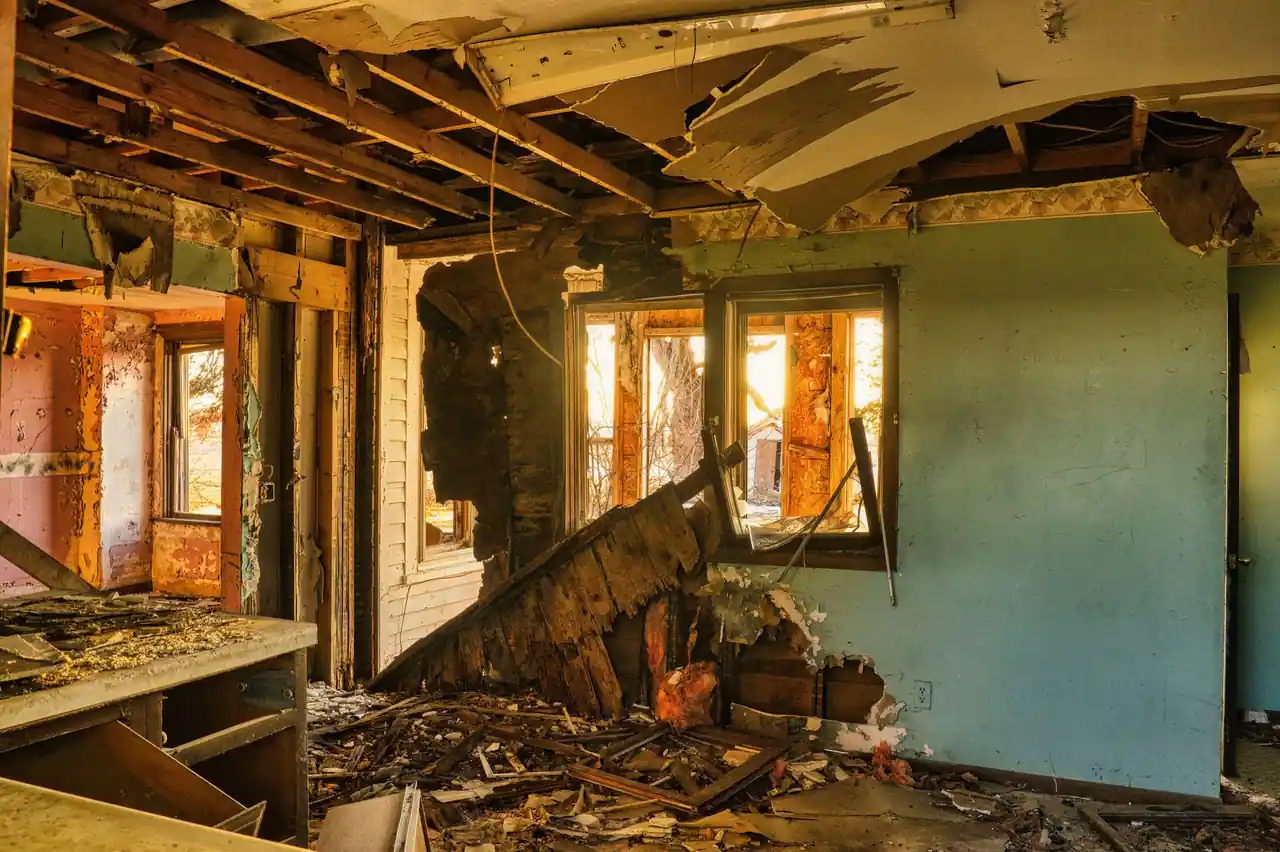
Once dry, we cut out unsalvageable drywall and insulation. We treat the framing with antimicrobial solution and HEPA vacuum the area. If mold is present, we set up ZipWall barriers and a negative air machine to contain spores before removal.
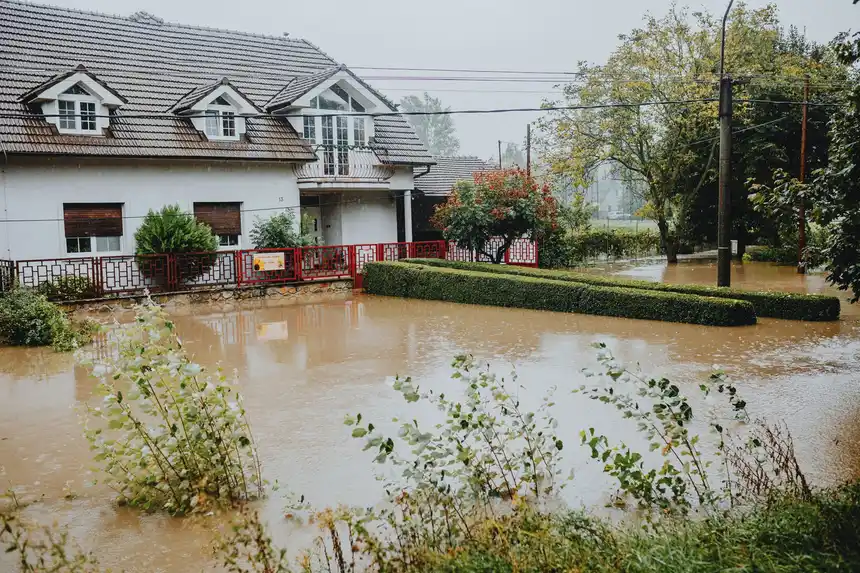
We install replacement drywall and insulation, tape, mud and texture to match the existing ceiling. Most ceilings are paint-ready in three to five days after the rebuild starts. We walk the room with you and check the finish under a light before we pack up.
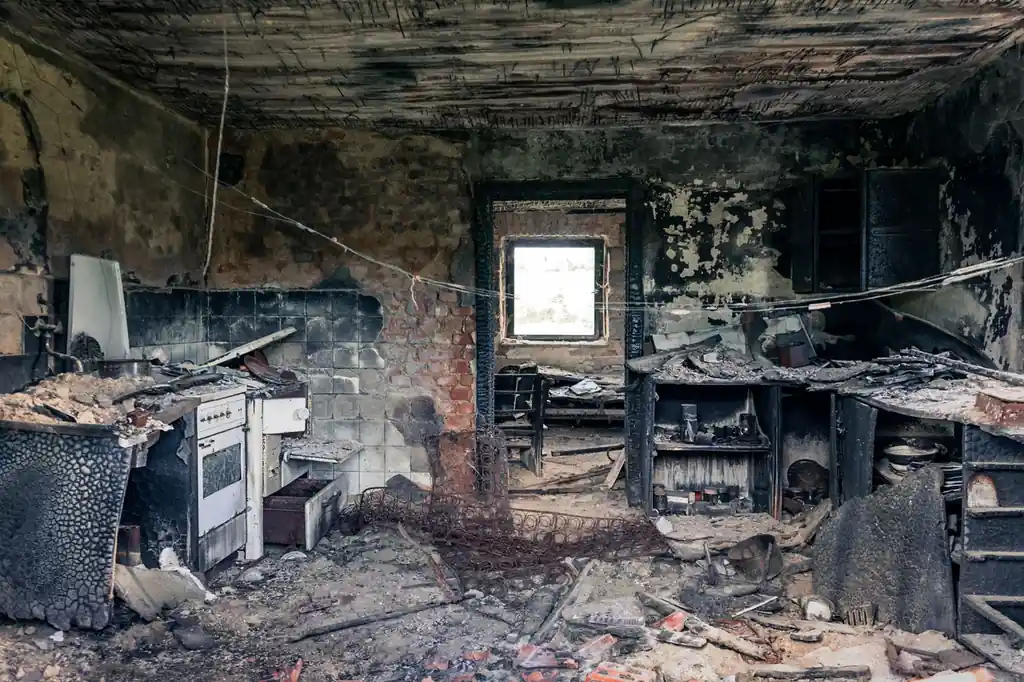
Finds hidden moisture above the ceiling that a stain does not show. We use it before any cut so the repair covers the full wet area.
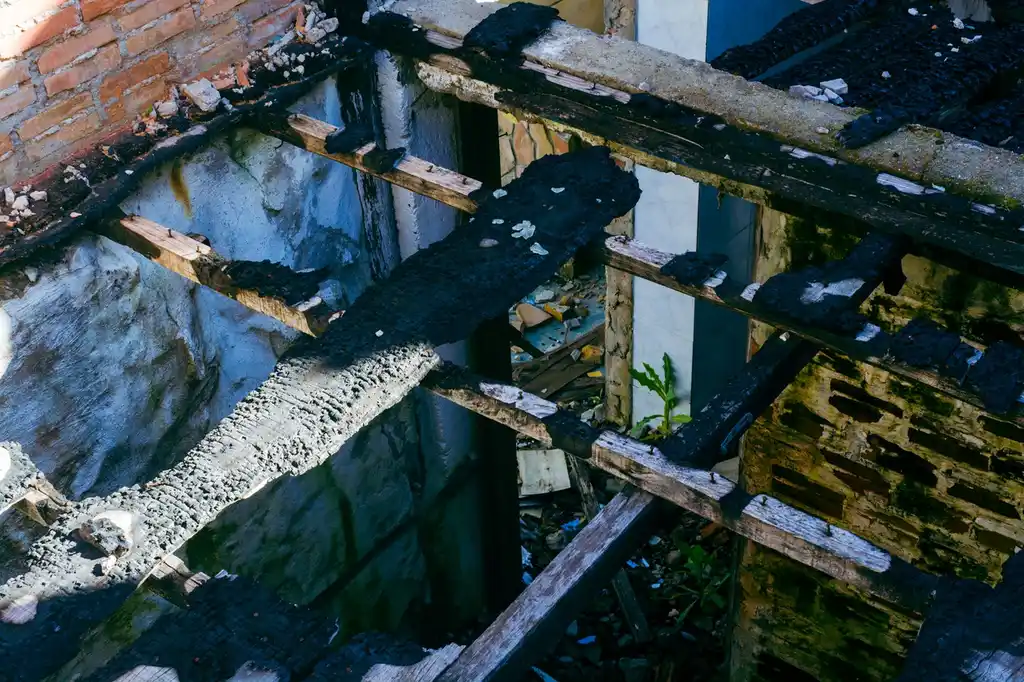
Measures moisture content in drywall, insulation and joists. We log readings daily to know when the structure is dry enough to close up.
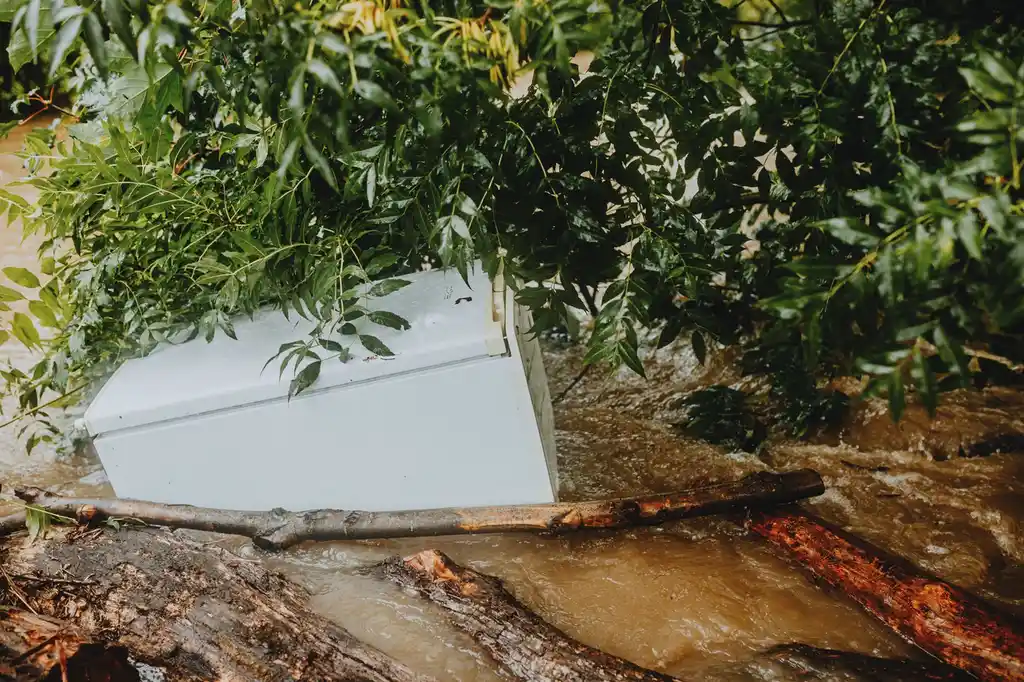
Move air across wet ceiling surfaces to speed evaporation. We position them to dry both the room side and the cavity side of the ceiling.

Pull moisture out of the air so drying does not stall. They run continuously for two to four days on a typical ceiling job.

Lets us look inside the ceiling cavity without cutting a large hole. We use it to check insulation and joists for hidden damage.
Contains mold spores and dust during removal. Essential when the ceiling has visible mold growth or a musty odor.
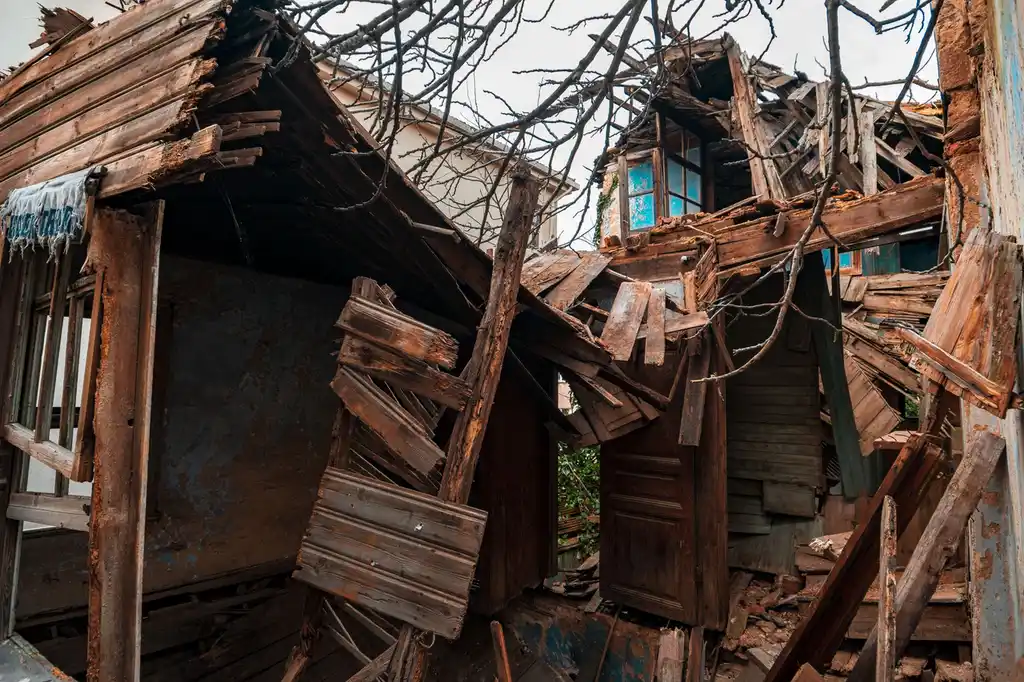
Clear musty odors left behind after the wet materials are removed. We run them after drying and before the rebuild.
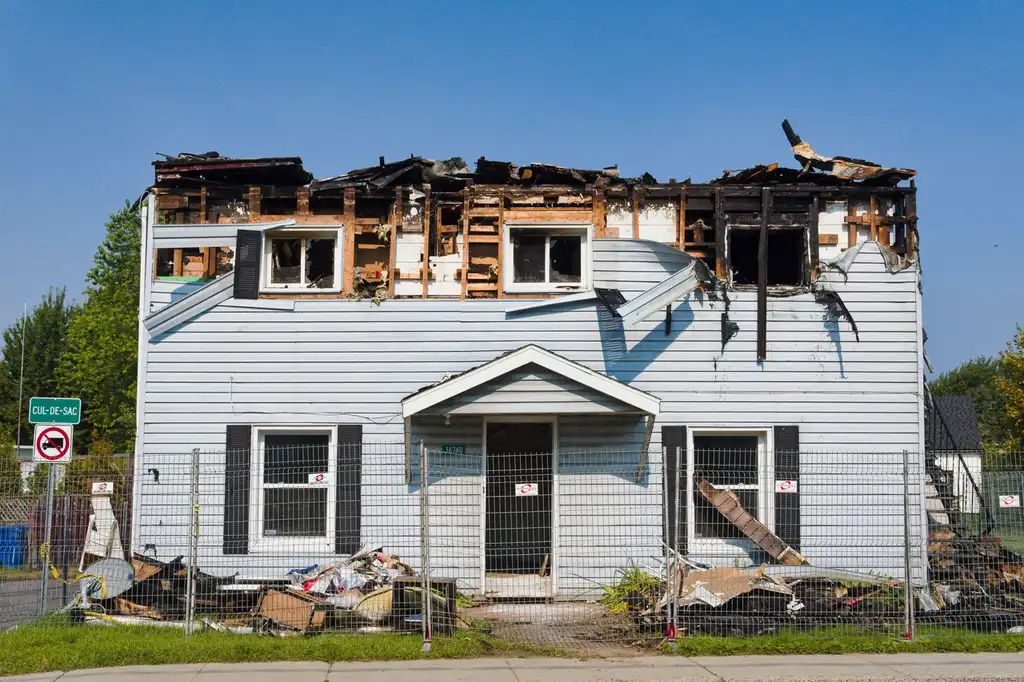
Our technicians follow IICRC Water Restoration Technician and Applied Structural Drying standards to set drying goals, monitor readings and confirm the structure is dry before repairs. That is how we avoid callbacks.
We shut off the water, extract what has pooled, and set drying equipment under and above the ceiling. The wet drywall is removed, the joists are dried and treated, and the ceiling is rebuilt once the plumbing is repaired. The kitchen ceiling is flat, sealed and paint-ready within a week, and the joists are dry enough that mold does not take hold.
We thaw and isolate the line, then dry the ceiling cavity with air movers and a dehumidifier. Saturated insulation is replaced, and the drywall is cut out and rebuilt after readings confirm the structure is dry. The bedroom ceiling is restored and the attic line is repaired so the next freeze does not repeat the damage.
We tarp the roof to stop more water, map the wet area with a thermal camera, and dry the ceiling structure. The stained drywall is removed, the framing is treated, and the ceiling is finished to match. The ceiling looks original and the roof repair stops the leak from returning during the next storm.
We work after hours, contain the area with plastic sheeting and ZipWall barriers, and dry the ceiling cavity. Moldy materials are removed with a HEPA vacuum and negative air machine, and the ceiling grid and drywall are rebuilt. The office reopens without a visible patch, and the air quality is clear enough for staff to work without complaints.
Jefferson City ceilings take a beating from our weather. January freezes crack supply lines in attics and crawl spaces, and spring storms push rain through roof decks. Older homes in Old Munichburg and along Capitol Avenue often have plaster ceilings that hold water longer than drywall, so drying takes an extra day or two. Newer builds out by Moreau Heights and Westview Heights usually have drywall and fiberglass insulation that saturate fast but dry quicker. We check every ceiling with a moisture meter because a small stain on the surface can mean a wet area three times that size above it. If you need same day ceiling repair service Jefferson City, call before noon and we can usually have a technician on site that afternoon. We also work in Bluff Creek and across Cole County, and we follow Missouri Department of Natural Resources regulations when we handle contaminated water from a sewage backup.
A supply line burst above the kitchen overnight, leaving a sagging section of drywall and water dripping onto the counter. The homeowner shut off the main and called us the next morning.
We extracted standing water, dried the joists for three days and rebuilt the ceiling with new drywall and insulation. Moisture readings dropped from 28 percent to 11 percent. The ceiling was paint-ready in six days.
We checked the supply line and recommended replacing the aging shutoff valve. The homeowner now shuts off the line before winter trips, which prevents a repeat freeze burst.
A slow toilet supply leak had been dripping above the bathroom ceiling for weeks. Black mold spots were visible and the room smelled musty every time the door opened.
We contained the area with ZipWall barriers, removed the moldy drywall with a HEPA vacuum and negative air machine, and treated the framing with antimicrobial solution. The ceiling was rebuilt and the odor cleared within eight days.
We advised running the exhaust fan for 15 minutes after showers and checking the supply line annually. The ceiling has stayed dry and mold-free since.
A storm-driven roof leak stained and softened four ceiling tiles in a High Street office. The tenant reported a musty smell and worried about downtime during repairs.
We tarped the roof, dried the ceiling cavity for two days and replaced the damaged tiles and drywall after hours. The Xactimate documentation supported the claim, and the office stayed open through the entire repair.
We recommended an annual roof inspection before storm season. The property manager now schedules a check each spring, which caught a loose flashing before the next leak.
Most ceiling calls start with something the homeowner noticed that morning. Here are the problems we see most often and how we solve them.
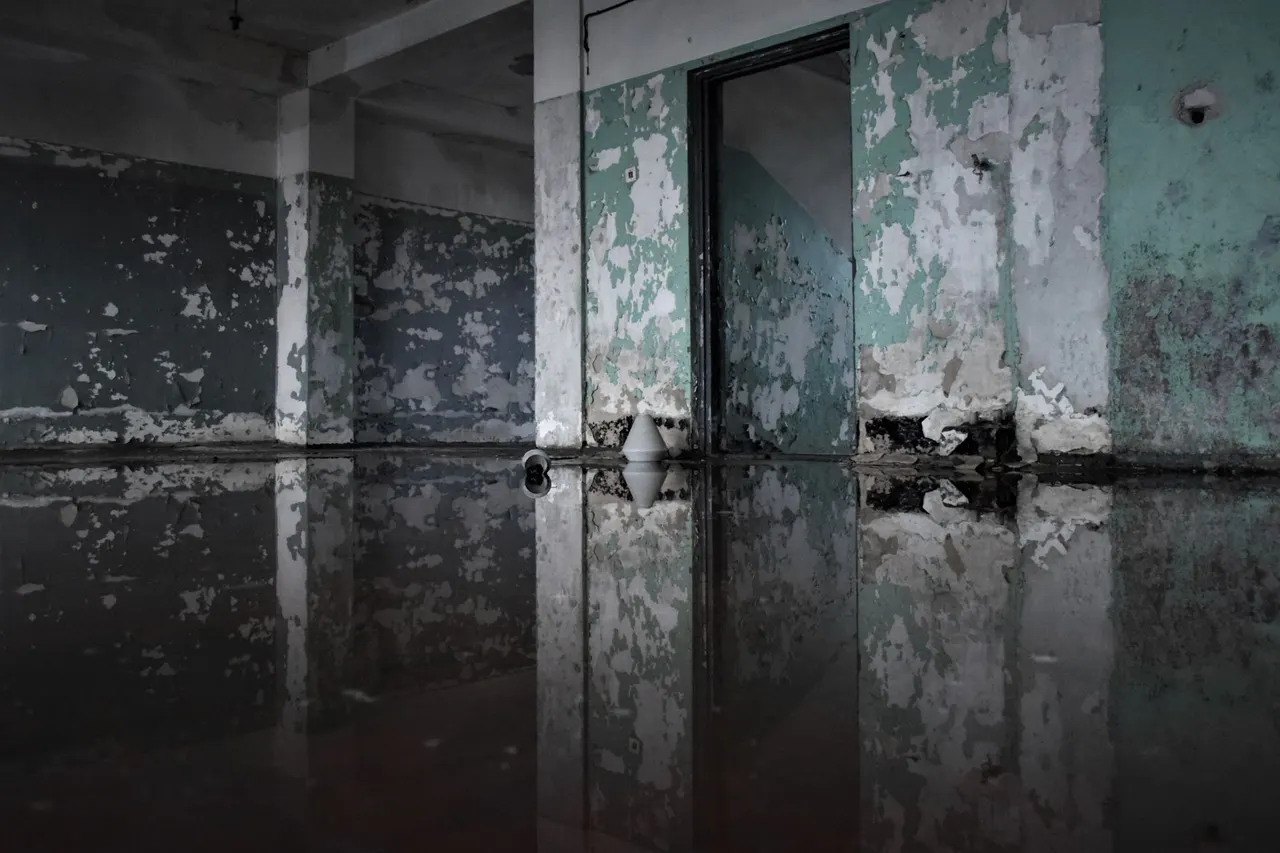
We trace the stain back to the source with a moisture meter and thermal camera, dry the cavity and cut out only the damaged section. Then we seal the framing and rebuild the ceiling so the stain does not bleed back through the new paint. Stains mean water is sitting above the drywall. Left alone, the drywall softens, sags and eventually falls, and mold starts within 48 hours.
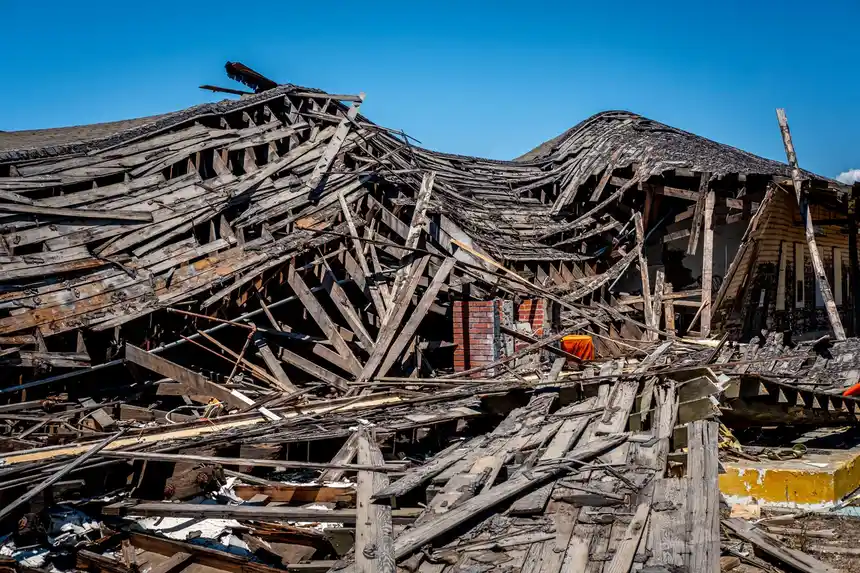
We support the area, puncture and drain the trapped water safely, then remove the saturated drywall. After the joists are dried and treated, we install new drywall and finish it smooth. Most sagging ceilings are rebuilt within a week. A sagging ceiling is holding water. It can collapse without warning, dumping dirty water and insulation into the room below.

We contain the area with ZipWall barriers, run a negative air machine and HEPA vacuum, then remove moldy drywall and treat the framing with antimicrobial solution. Ozone and hydroxyl generators clear the odor after the structure is dry. A musty smell usually means mold is growing in the ceiling cavity. It spreads through the room and can trigger allergies and respiratory problems.
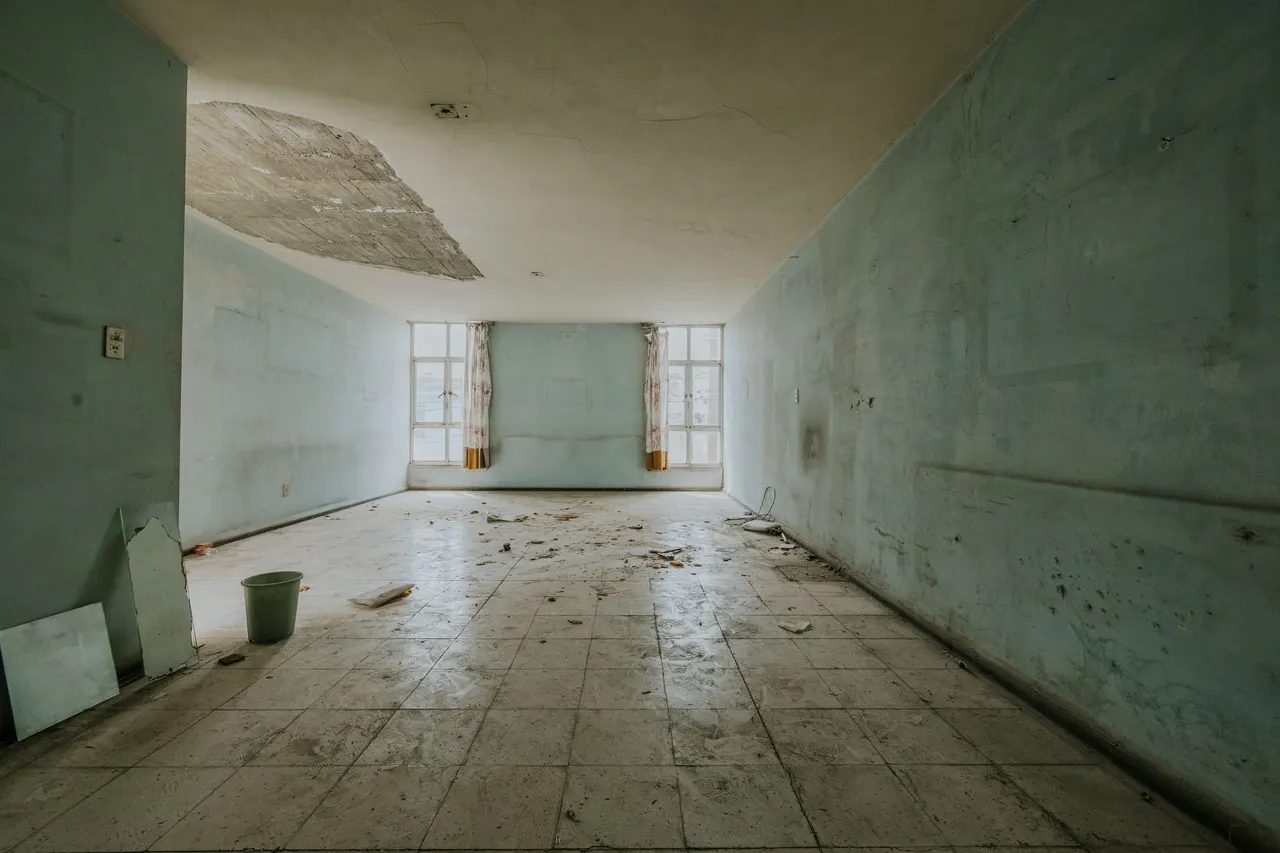
We document the damage for your insurance claim, stop the water if the source is accessible, and dry your ceiling. We work with property managers and upstairs tenants to get the source repaired so the ceiling stays dry after the rebuild. Water from an upstairs unit keeps entering until the source is fixed. Every hour it runs, the damage spreads further into your ceiling, walls and floor.
Mold can begin growing on wet drywall within 24 to 48 hours. We apply antimicrobial solution to the affected area and run HEPA air scrubbers to remove spores. Catching it early saves you a mold remediation bill that often runs two to three times the cost of a simple ceiling repair.
Water weakens drywall, rots wood subflooring above and rusts nails and hangers. We dry the joists and framing to safe moisture levels before closing anything up. That protects the ceiling from sagging and keeps the repair from failing six months later.
We cut out the damaged drywall, replace insulation, install new drywall and finish it smooth. You get a ceiling that takes paint evenly with no shadows, no peeling texture and no brown rings bleeding back through. Most ceilings are ready for primer within three to five days.
We document moisture readings, photos and material quantities in Xactimate so your adjuster sees exactly what happened. That documentation is the difference between a full payout and a denied or reduced claim. We work directly with most major carriers.
Clear records you can keep and share.
Room-by-room list of what gets dried or replaced
Daily readings showing the ceiling drying out
Smooth surface ready for primer and paint
A ceiling stain is smaller than the wet area above it. Water travels along joists, so the damage usually spreads farther than it looks from below.
The visible ring is only where water reached the surface. Moisture often sits a foot or more beyond the stain in every direction.
Patching over a wet ceiling traps moisture and leads to mold. We dry the cavity to safe readings before any new drywall goes up.
Mold can start on wet drywall within 24 to 48 hours. Treating the framing early is cheaper than full mold remediation later.
Outside these areas? Call and ask, we will tell you straight. +15736984623
Most ceiling water damage repairs in Jefferson City run $350 to $1,800 depending on the size of the wet area and whether mold is present. A small stain with no mold might be $350 to $600. A full room ceiling with insulation replacement and drying equipment typically lands between $1,200 and $1,800. Insurance often covers the drying and repair when the cause is a sudden leak.
We do. Our team handles ceiling water damage repair in Jefferson City Missouri from start to finish, including moisture detection, drying, mold treatment and drywall rebuild. We work in neighborhoods from Bluff Creek to Riverside and carry the equipment to dry a ceiling properly, not just patch the surface. Call +15736984623 to schedule an assessment.
Yes, in most cases. Sudden and accidental damage from a burst pipe, appliance leak or storm-driven roof leak is usually covered under standard homeowners policies. Long-term seepage or neglect is often excluded. We document the damage with photos, moisture readings and an Xactimate scope so your adjuster can process the claim quickly.
Drying takes two to four days, and the rebuild adds another three to five days. A small ceiling patch can be finished in about a week. A full room ceiling with insulation replacement and texture matching usually takes seven to ten days total. We give you a day-by-day schedule before we start so you can plan around the work.
A wet ceiling gets worse every hour. Call +15736984623 and we will assess the damage, stop the water and give you a clear repair plan. Free estimates, direct insurance billing and a ceiling that looks original when we are done.
Call +15736984623 any time, day or night. A live dispatcher answers, not a machine, and we will tell you exactly when a crew can reach your address. Most Jefferson City calls see a technician within about 60 minutes. If you prefer email, send photos and your address to info@24/7jeffersoncitywaterdamagerestoration.com and we will follow up fast.