Written inventory
Every box, page count, and item logged
When a burst pipe or sump pump failure soaks your file cabinet, our document and photo drying and restoration Jefferson City MO team freezes the paper within hours to stop ink bleed and mold. We handle tax records, deeds, family photos, and business archives for homeowners and offices across Cole County. Every job starts with a moisture meter reading and a written scope.

Every job includes assessment, freezing, controlled drying, and a final inventory. Add-ons like certified copies or extended storage are quoted separately. Here is what you get as standard.
We recover the records and photos that get soaked when a basement floods or a pipe bursts. You get the originals back flat and a digital copy on a USB drive.
We handle client files, membership records, and archived paperwork for offices that take on water. Every box is inventoried before it leaves the building.
Document and photo drying and restoration Jefferson City MO is a specialized recovery service that stabilizes wet paper, photographs, and bound records after water damage, then dries and cleans them so they can be read, filed, or digitized again. The work starts with an assessment using a moisture meter and thermal imaging camera to map how far water has wicked into a stack of files. From there we separate pages with absorbent pads, set up air movers and a dehumidifier in a controlled drying room, and monitor humidity with a hygrometer until the paper reaches its pre-loss moisture content. Most residential collections take three to seven days in our drying chamber.
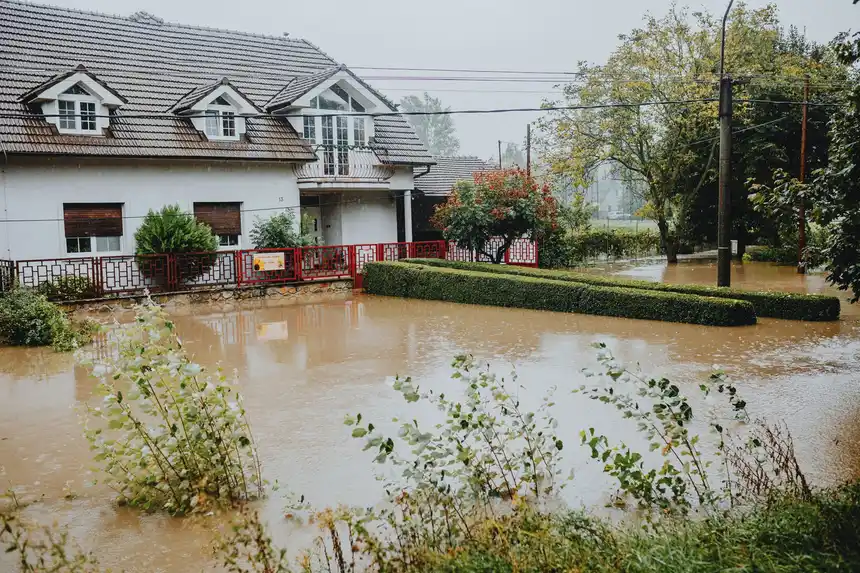
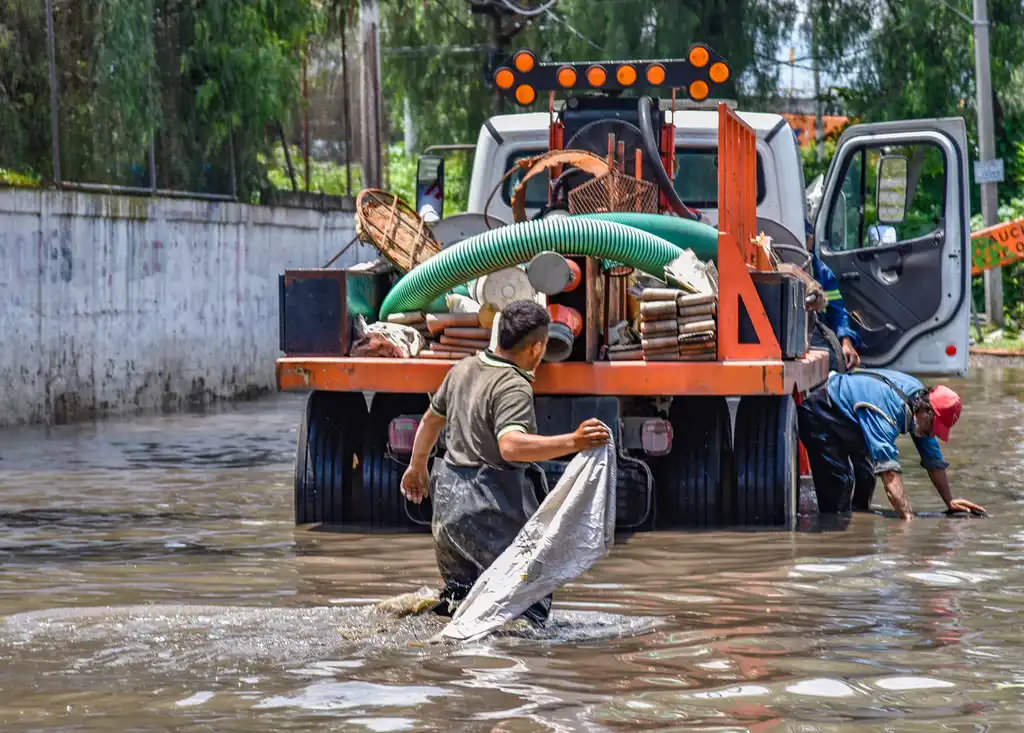
Jefferson City sits between the Missouri River and the Moreau Creek watershed, so basement flooding and crawl space moisture are common after spring storms and winter thaws. When a frozen pipe splits behind a wall in Old Munichburg or a sump pump quits during a downpour in Moreau Heights, the first call is usually about the carpet. The second call is about the box of tax returns and wedding photos sitting in the same puddle. That is where a document drying service Jefferson City MO customers can reach around the clock makes the difference between a salvageable archive and a moldy loss.
Freeze first, dry second, scan third. That order is what saves wet paper.
Every wet archive follows the same five steps. We freeze first, dry second, digitize third. You get a written status update at each stage and a final inventory of what came back.
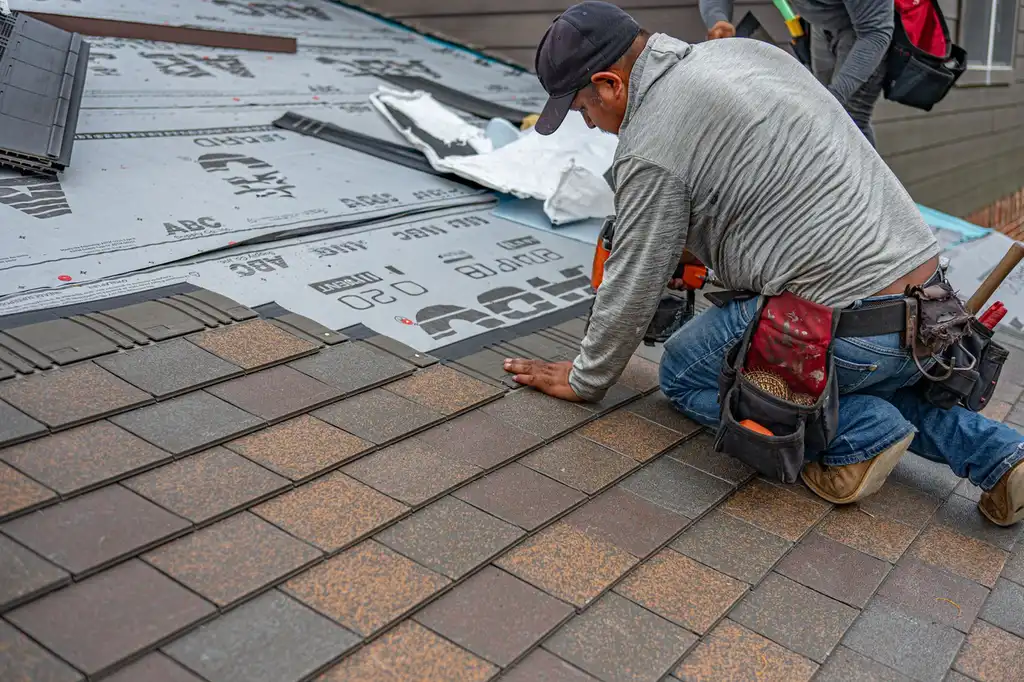
We arrive with a moisture meter and thermal imaging camera to find the wet boundary in your file stacks. Loose documents go between freezer paper in labeled boxes. We transport them to a -20 degree Fahrenheit chamber within four hours to stop ink bleed and mold. You get a box count and a photo log before we leave.
In the drying room we separate pages with absorbent pads and blot standing water. Bound books and photo albums get a borescope inspection camera between pages to check for trapped moisture. We apply an antimicrobial solution to any paper showing mold growth after water damage and run a HEPA vacuum over the work surface.
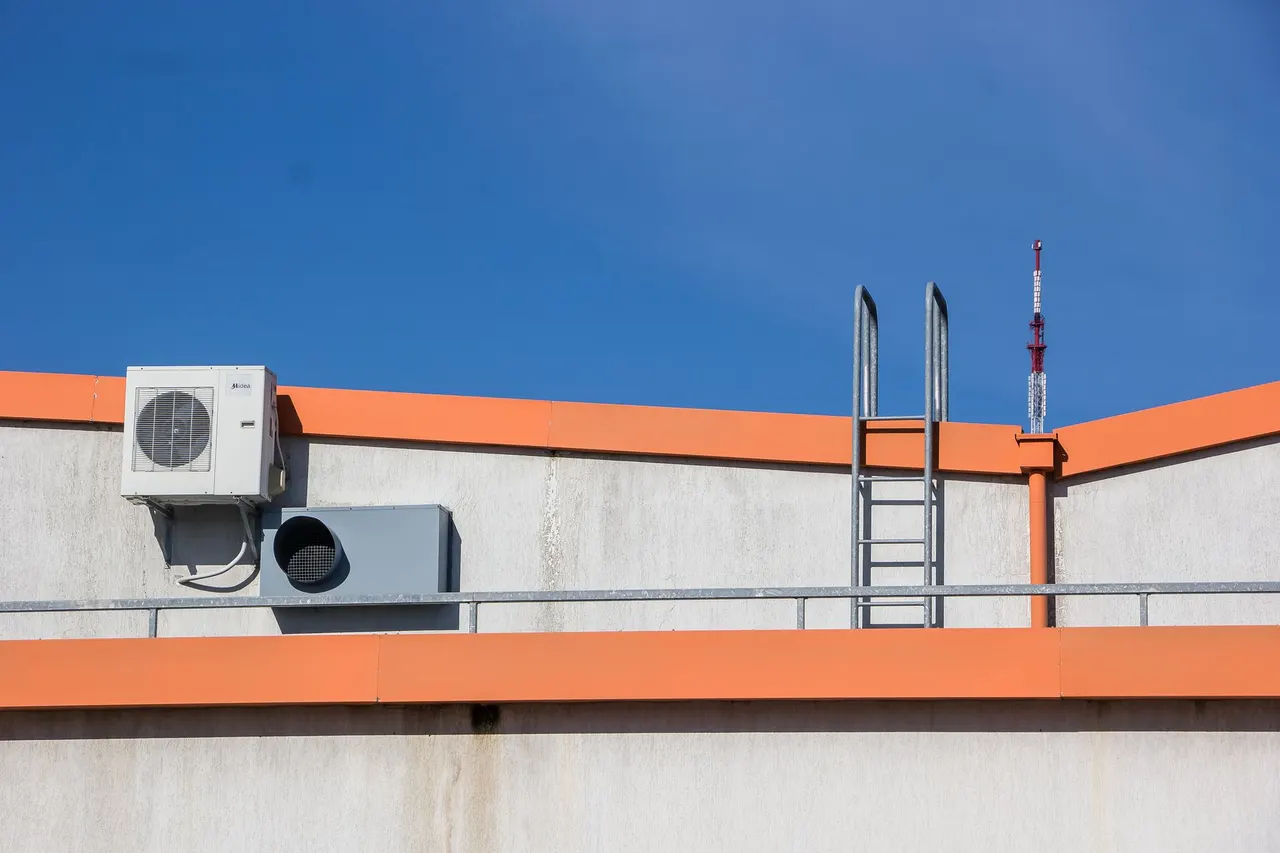
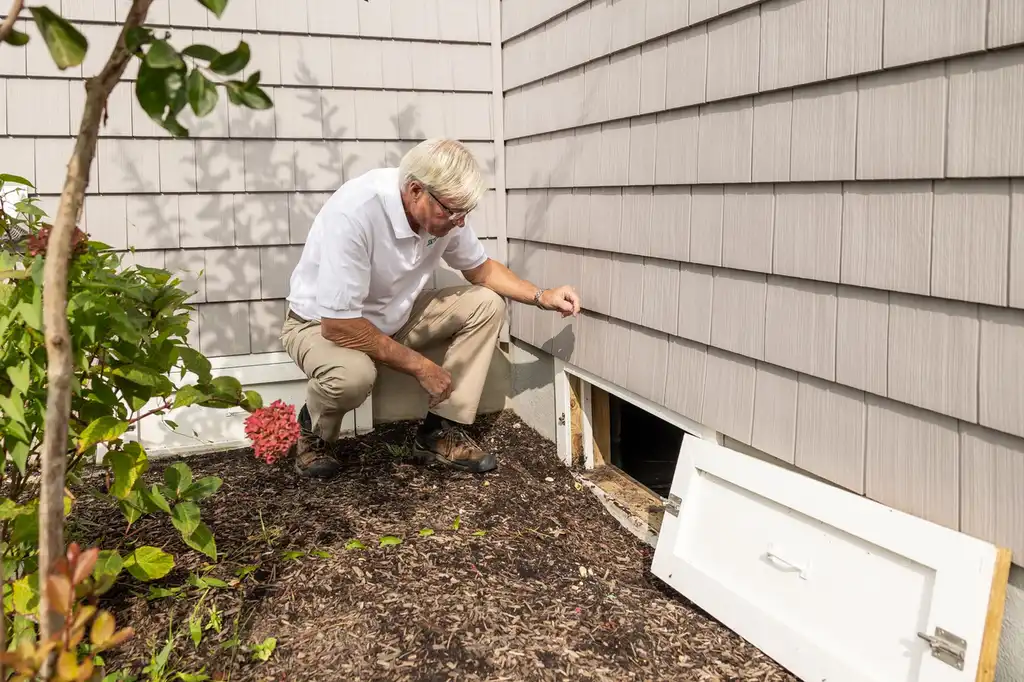
Documents go into a controlled chamber with air movers, a desiccant dehumidifier, and a hygrometer logging relative humidity every hour. Most paper reaches its pre-loss moisture content in three to seven days. We pull samples daily and weigh them to confirm the dry-down is on track.
Once dry, we scan each page at 300 dpi and return the files on a USB drive or secure cloud link. Originals are packed flat in acid-free folders. If you need certified copies for a deed or a tax record, we flag those pages during scanning so your attorney or accountant can request them.

You receive a written inventory listing every box, the page count recovered, and any items that could not be saved. We include before-and-after photos and the moisture readings from day one and the final day. That packet goes straight to your insurance adjuster with the rest of the claim documentation.
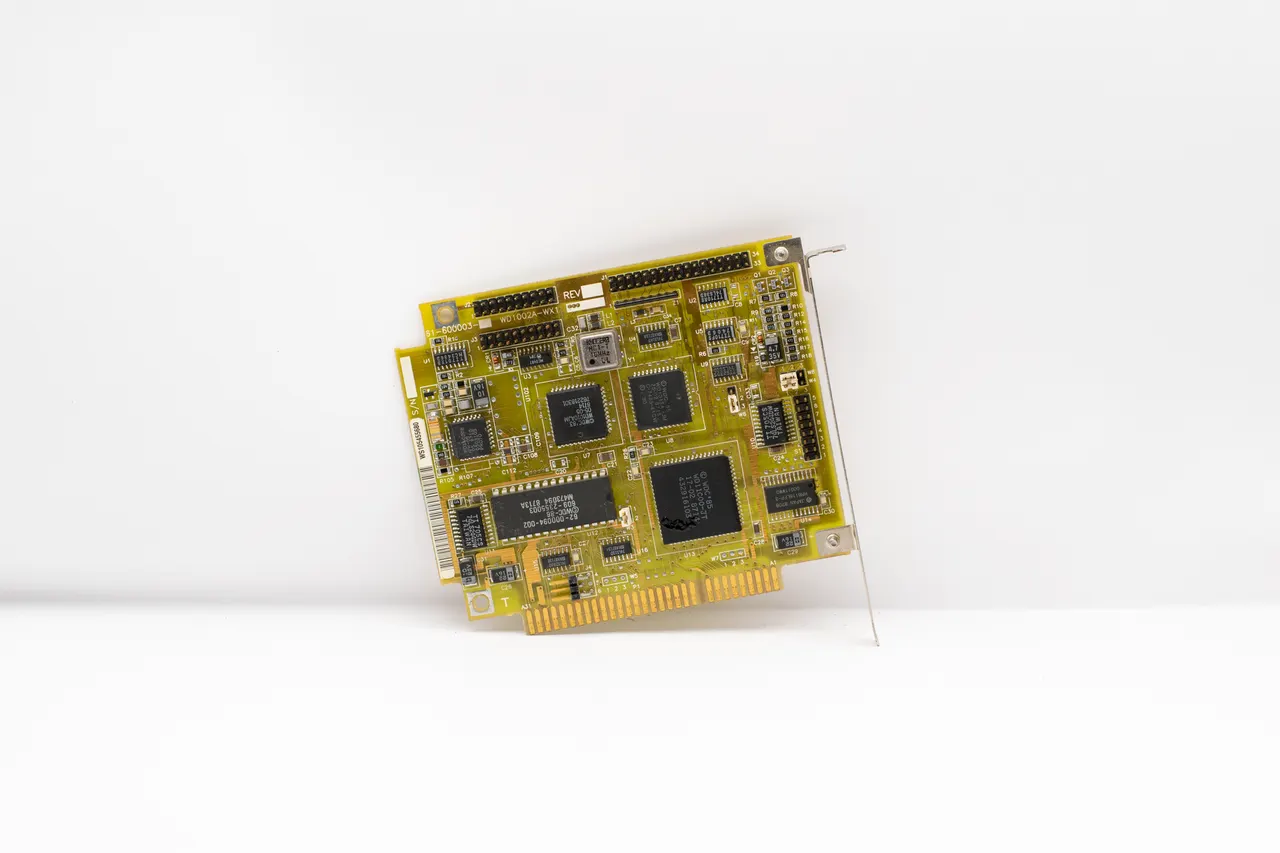
Holds wet paper at -20 degrees Fahrenheit to stop ink bleed and emulsion damage while drying is scheduled.

Pulls moisture out of the drying room air so paper releases water instead of reabsorbing it.
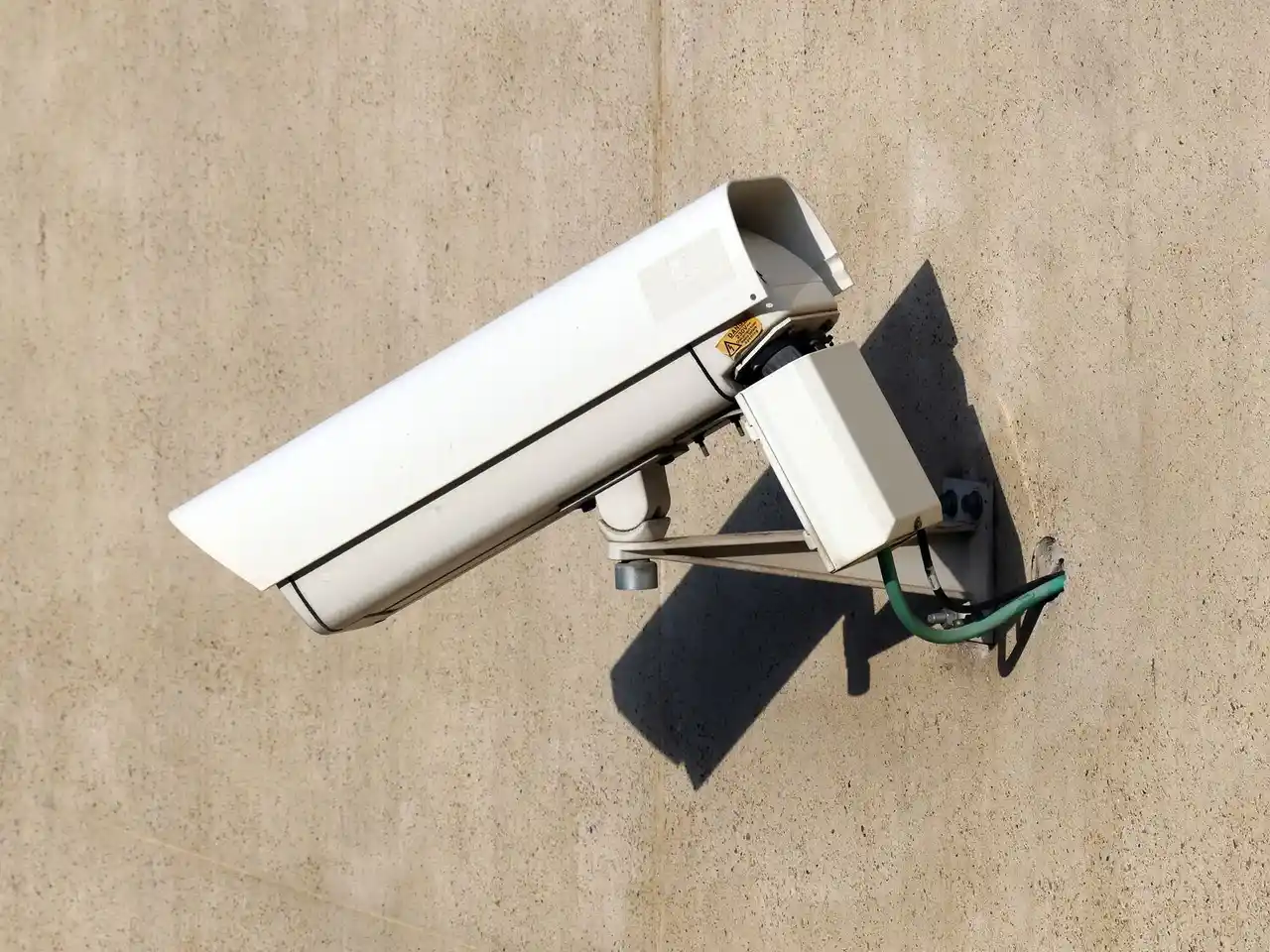
Logs relative humidity and paper moisture content daily so we know when the dry-down is complete.
Maps the wet boundary inside a stack of files without pulling every page apart.
Checks between bound pages and inside book spines for trapped moisture.
Contains mold spores and captures debris while documents are handled and dried.
Neutralizes musty odors in the drying room after wet paper has been processed.
We follow the Applied Structural Drying standard for chamber humidity and airflow, which is the same framework we use on structural drying jobs. It gives us documented targets for temperature, relative humidity, and paper moisture content.
We shut the line, extract the standing water, and pack the wet files in freezer paper within four hours. The documents go into the -20 degree chamber while we dry the basement with air movers and a dehumidifier. You get your tax records and deeds back dry, scanned, and inventoried, and the basement is dry enough to use again in three to five days.
We pump the water out, set up ZipWall barriers to contain the work area, and inventory every wet box before packing. Documents go to the freeze chamber and the office dries with a desiccant dehumidifier. Client files and family photos come back flat and readable, with a USB drive of scans and a written inventory for your insurance claim.
We tarp the roof, stop the drip, and freeze the wet paper the same day. The album is thawed in a clean water bath and the loose pages are separated with absorbent pads before drying. The photos and documents are recovered and scanned, and the ceiling is dried and repaired so the leak does not come back.
We pull the appliance, extract the water, and check the bottom layer of every box with a moisture meter. Wet paper is packed for freezing and the utility room is dried with air movers. You keep the records that were in the bottom box, and the utility room is dry and ready for the new supply line.
A sump pump failed during a spring storm and four inches of water covered two boxes of tax returns and a deed folder in a Moreau Heights basement. The bottom box was saturated and the ink on several pages had already started to smear.
We froze the documents within four hours, dried them in the chamber for five days, and scanned all 340 pages at 300 dpi. The deed was readable and the tax returns came back flat in acid-free folders with a USB drive of the scans.
We set up a dehumidifier and a hygrometer in the storage room and showed the homeowner how to check the reading once a week. Keeping the room below 50 percent relative humidity stops the paper from reabsorbing moisture.
A frozen pipe split behind a wall in a Capitol Avenue law office over a January weekend. Water ran across the floor and soaked 22 boxes of client files stored in the basement vault, and the room smelled musty by Monday morning.
We extracted the water, set up ZipWall barriers, and packed all 22 boxes for the freeze chamber. The files dried in seven days, and every page was scanned at 300 dpi and returned on a USB drive with a written inventory for the insurance claim.
We installed a moisture meter in the vault and recommended a small dehumidifier for the winter months. The office now checks the reading after every storm and calls us if it climbs above 55 percent.
A washing machine supply line failed overnight in a Moreau Heights home and soaked a photo album and a box of loose prints sitting on the floor beside it. The pages were stuck together and the emulsions had started to bond.
We froze the album first, then thawed the prints in a clean water bath and separated them slowly. All 86 photos were dried flat and scanned at 300 dpi, and the originals came back in acid-free sleeves even though three prints had small tears.
We packed the album in a dry storage box with a desiccant packet and showed the homeowner how to store it off the floor. The digital files are backed up to a cloud drive so the images are safe even if the prints are not.
Wet paper is a race against time. These are the four problems we see most often in Jefferson City basements and home offices, and how we handle each one.
We freeze the pages at -20 degrees Fahrenheit within four hours to halt the chemical reaction, then dry them in a controlled chamber and scan each page at 300 dpi so you have a clean digital copy. Ballpoint ink and laser toner smear within 24 to 48 hours, turning a readable page into an unreadable one and jeopardizing proof of ownership or filing.
We freeze the album first, then thaw the prints in a clean water bath and separate them slowly. Each photo is dried flat and scanned at 300 dpi, so even a torn print leaves you with a usable digital file. Wet emulsions bond to each other and tear when pulled apart, destroying the image and sometimes the negative as well.
Our AMRT-trained technicians treat affected paper with an antimicrobial solution and run a negative air machine with a HEPA vacuum. The drying room stays below 50 percent relative humidity until every page tests dry. Mold can colonize damp paper in 48 to 72 hours, spreading spores through the room and making the documents a health hazard to handle.
We bag contaminated documents separately, treat them with disinfectant, and freeze them in a dedicated chamber. The clean archive stays isolated so cross-contamination does not spread through the rest of your records. Category 3 water carries bacteria and pathogens that soak into paper, and the documents cannot be handled safely without treatment.
Freezing wet paper at -20 degrees Fahrenheit halts the chemical reactions that smear ballpoint ink and feather laser toner. We pack documents between freezer paper and transport them to a controlled chamber within four hours of your call. That window is why same day document drying service Jefferson City matters after a pipe burst.
Mold growth after water damage can colonize a damp file box in 48 to 72 hours. We treat affected paper with an antimicrobial solution and run a negative air machine with a HEPA vacuum to capture spores. The drying room stays below 50 percent relative humidity until every page tests dry.
Photo restoration after water damage Jefferson City MO homeowners need most often involves emulsions that stick together when wet. We freeze or freeze-dry the prints, then separate them in a bath of clean water and photo-flo solution. Scanned digital files are returned on a USB drive so the originals can stay archived.
We photograph every box, log page counts, and build a moisture map with a thermal imaging camera before drying begins. That file supports your insurance claim and gives the adjuster a line-item scope built in Xactimate. You get a written inventory of what was recovered and what was not.
Clear records you can keep and share.
Every box, page count, and item logged
USB drive or secure cloud link
Day one and final-day logs included
Freezing buys time, but it does not dry the paper. The drying room is what removes the water, and the scan is what protects the record.
Cold storage stops ink bleed and mold, but the paper is still wet when it comes out. The drying chamber is where the water actually leaves the page.
Damp paper can grow mold in 48 to 72 hours. Getting the documents into a cold chamber slows that clock while the drying room is prepared.
Even a recovered original can fade or tear later. A 300 dpi scan keeps the information readable long after the paper itself is gone.
Outside these areas? Call and ask, we will tell you straight. +15736984623
Most residential document recovery jobs run $250 to $900 in 2026, depending on box count and contamination level. A single wet file drawer with clean water often lands near the low end. Sewage backup or mold growth after water damage pushes the price up because of antimicrobial treatment and longer drying time. We give you a written range before we pack the first box.
We do. Our crew covers Downtown Jefferson City, Old Munichburg, Capitol Avenue, and the rest of Cole County with a freeze chamber and drying room built for paper. Call +15736984623 and we will ask how many boxes are wet and whether the water was clean or contaminated. That tells us whether to freeze on site or pack for transport.
Yes, in most cases. Freezing the prints within 48 hours stops the emulsion from sticking together permanently. We thaw them in a clean water bath, separate the layers, and dry them flat. Even when a print tears or loses part of its image, the scan we take at 300 dpi often preserves more detail than the original shows.
A single file drawer of loose paper usually dries in three to five days. Bound books, photo albums, and dense stacks can take seven to ten days because moisture moves slowly through compressed pages. We weigh samples daily and give you a target date after the first 24 hours in the chamber.
Every hour wet paper sits, ink bleeds further and mold growth after water damage gets closer. We pack, freeze, and dry documents for Jefferson City homes and businesses, and we document the loss for your insurance claim. Call +15736984623 and we will tell you what to freeze before we arrive.
Call +15736984623 any time, day or night. A live dispatcher answers, not a machine, and we will tell you exactly when a crew can reach your address. Most Jefferson City calls see a technician within about 60 minutes. If you prefer email, send photos and your address to info@24/7jeffersoncitywaterdamagerestoration.com and we will follow up fast.