Written scope
Photos and moisture readings before work starts
Roof leak water damage repair Jefferson City MO starts with finding where the water is actually getting in, not just where it shows up on your ceiling. We handle roof leak repair service in Jefferson City for homeowners and property managers across Cole County, from storm-driven shingle damage to worn flashing that has been seeping for months. Call +15736984623 and we roll a truck.
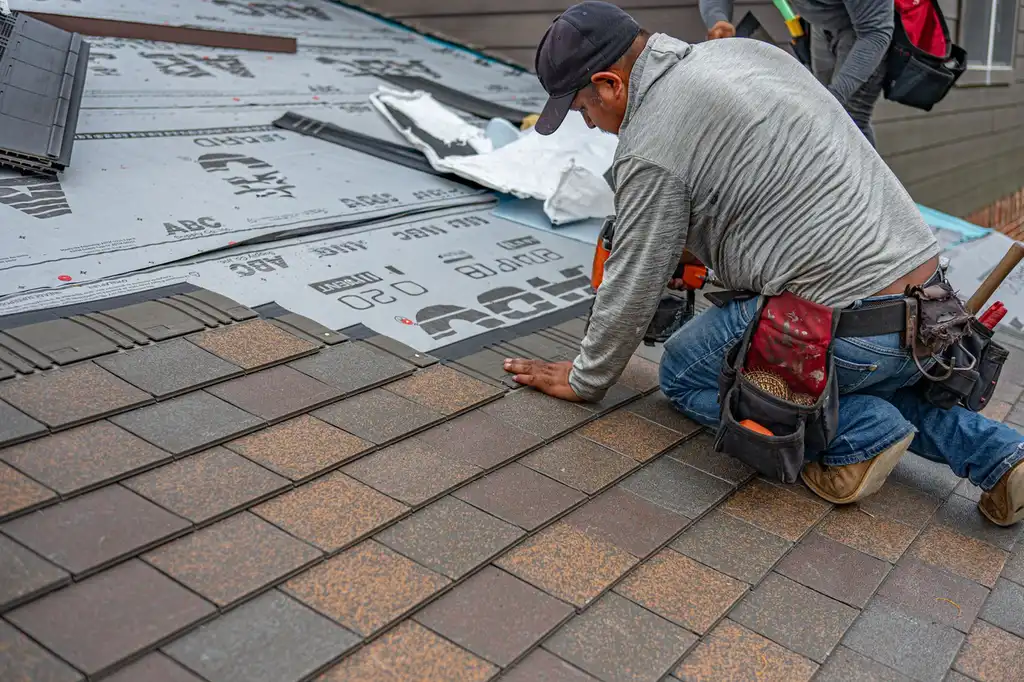
Every roof leak water damage repair Jefferson City MO job starts with a full inspection and ends with a dry, repaired structure. Here is what is covered in a standard scope. If the damage is bigger than expected, we tell you before we do the work and update the pricing.
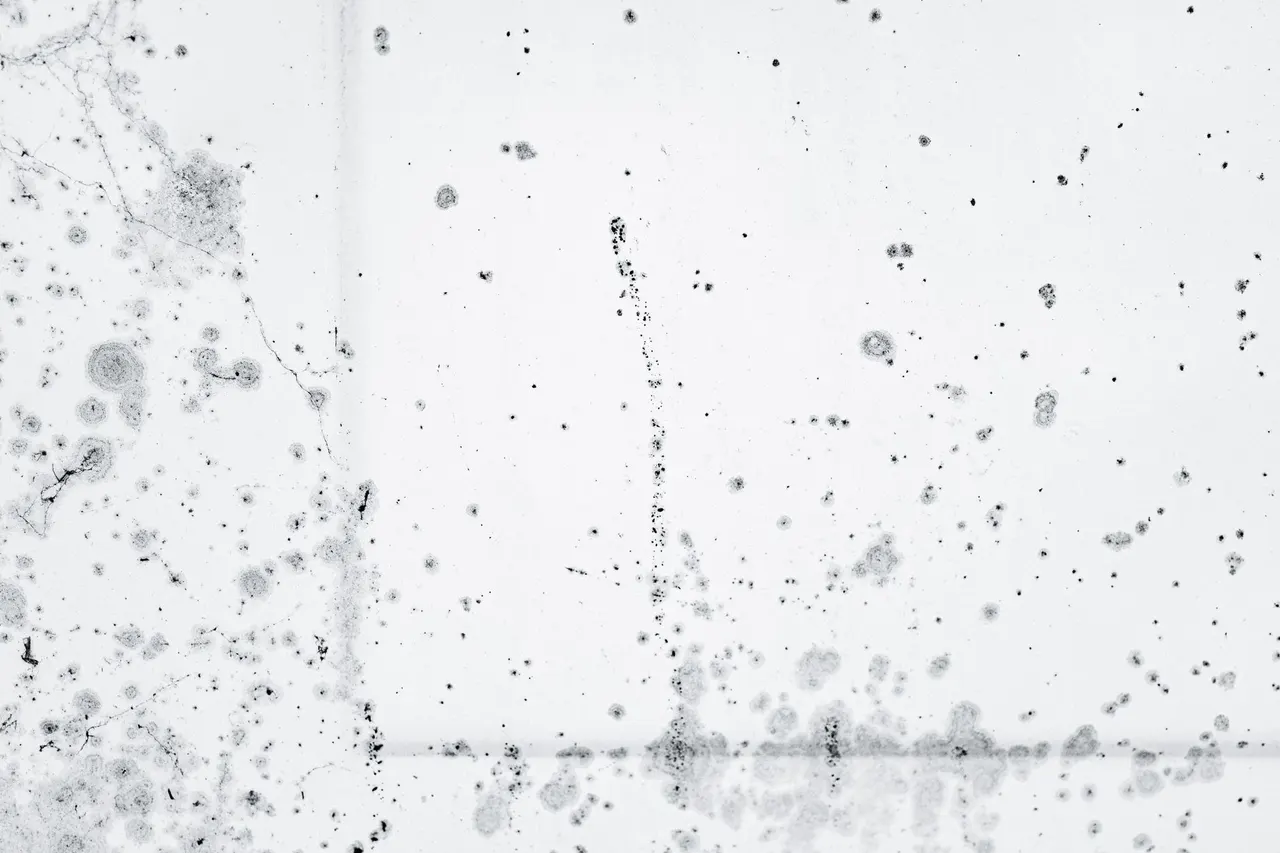
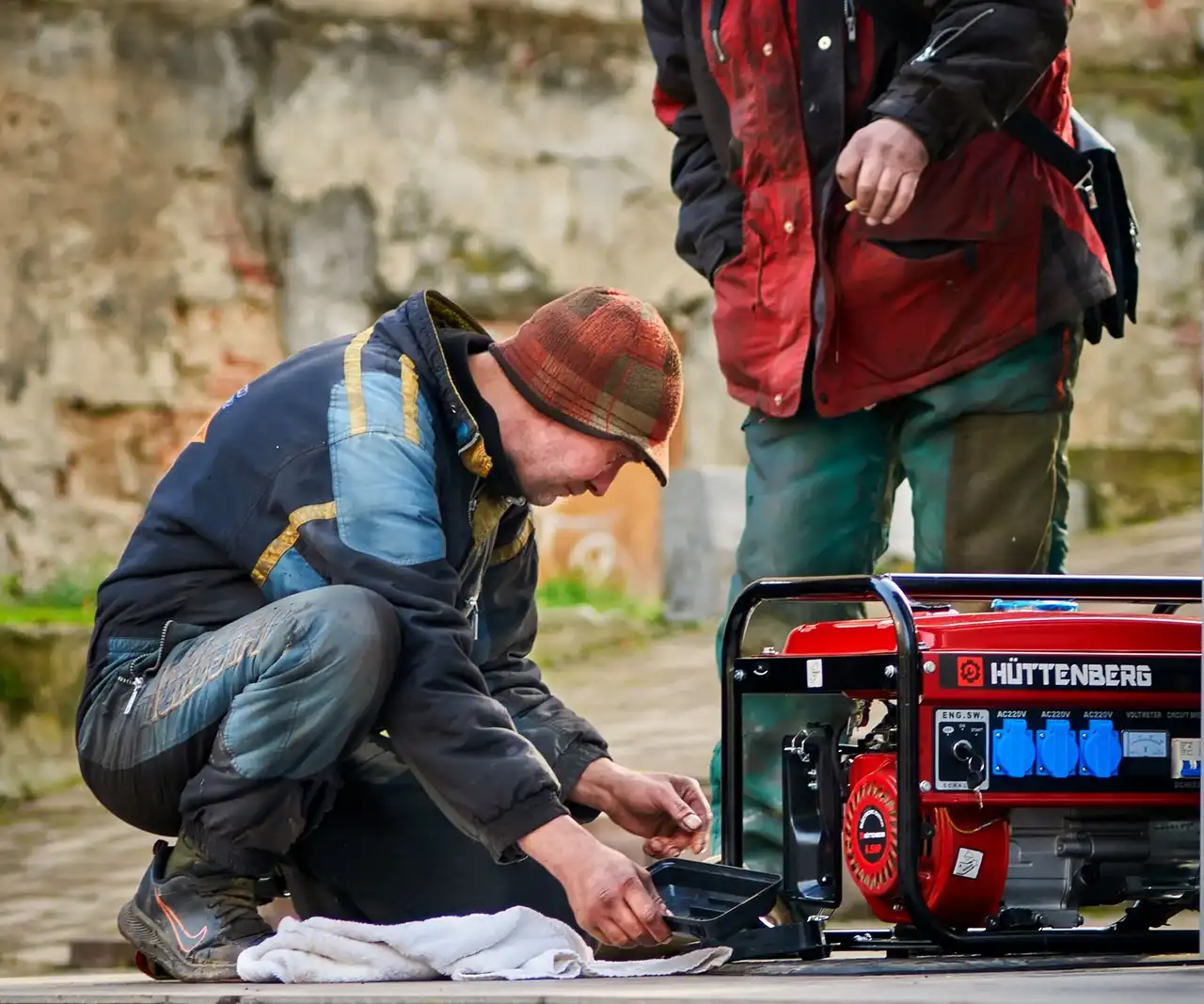
We handle roof leak water damage for homeowners and renters across Jefferson City. From a single ceiling stain to a soaked attic, we stop the leak, dry the structure, and repair the damage.
We work with property managers and business owners on commercial roof leaks. We schedule around your operations and document everything for your insurance claim.
Roof leak water damage repair Jefferson City MO is the process of stopping an active roof leak, extracting the water it pushed into ceilings, insulation, and wall cavities, and drying the structure before mold takes hold. It is not just a bucket-and-tarp job. Water travels along rafters and joists, so the stain on your ceiling is often six feet from the actual breach. We trace it with a moisture meter and thermal imaging camera, then fix the entry point and the damage it caused.
Jefferson City sits in Cole County where spring hail, summer downpours, and fall windstorms hammer asphalt shingles and flashing year after year. Older homes near Downtown Jefferson City and Old Munichburg often have original roof penetrations and aging pipe boots that crack quietly. If you searched for roof leak water damage repair near me Jefferson City MO after a storm, you already know the ceiling stain spreads fast. We get there, stop the water, and start drying the same day.
We stop the water at the roof, dry the structure, and repair what the leak ruined.
You call, we show up, and you get a clear plan before we start cutting anything. Here is the sequence we run on every roof leak water damage repair Jefferson City MO job, from the first phone call to the final moisture reading.
You call +15736984623 and describe what you are seeing: ceiling stain, dripping light fixture, wet attic insulation. We ask a few questions to size the job and get a truck headed your way. If the leak is active and water is pooling, we tell you how to shut off power to that area and where to put buckets while you wait.
We inspect the attic, ceiling, and roof surface. A thermal imaging camera shows temperature differences where water is hiding, a moisture meter confirms the readings, and a borescope inspection camera lets us look inside wall cavities without tearing them open. You get a written scope and upfront pricing before work begins.
We stop the water at the source, which may mean temporary tarping or a permanent flashing and sealant repair. Then we extract standing water with a truck-mounted water extractor or portable extraction unit in tight attic spaces. Saturated insulation gets bagged and removed because it will not dry in place.
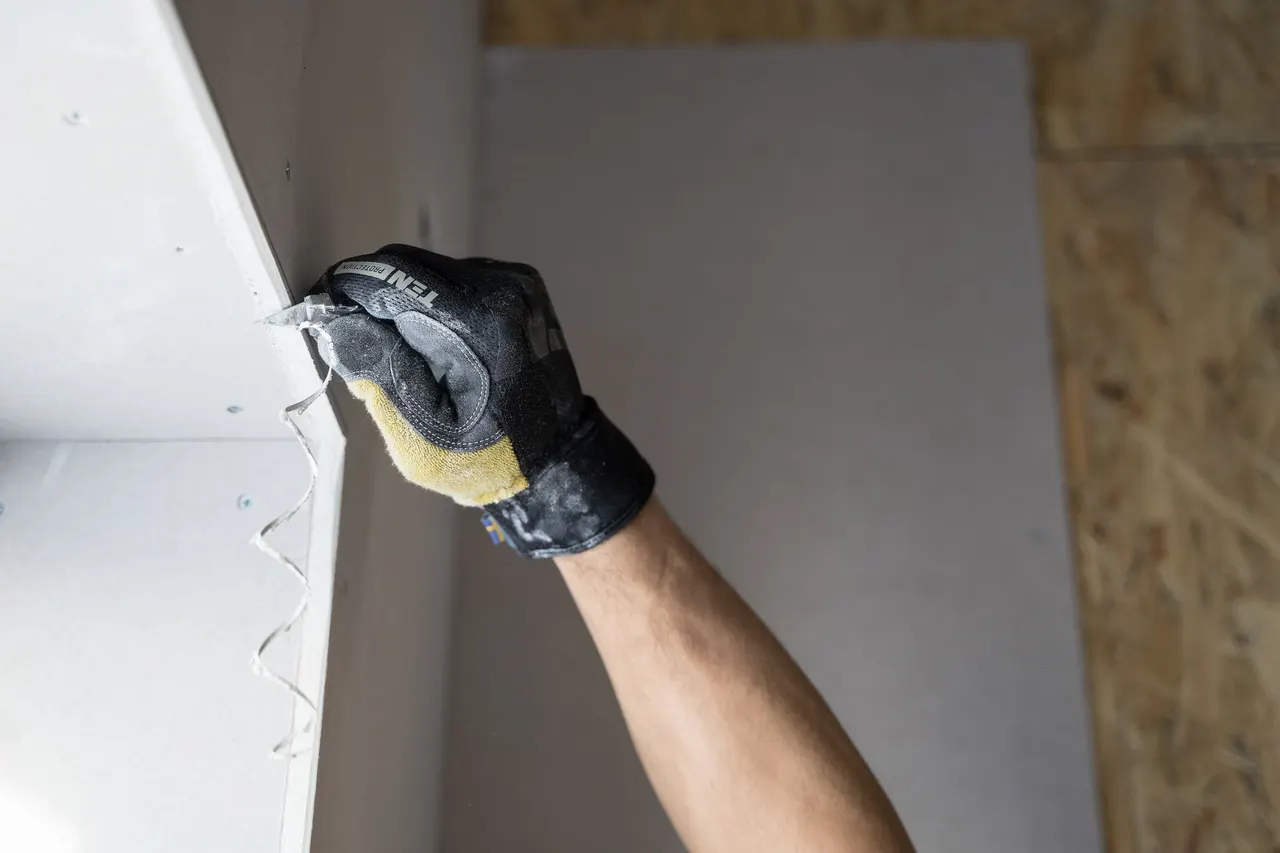
Air movers and dehumidifiers go to work on the ceiling cavity, wall framing, and any wet subflooring. We place them for airflow, not just to fill the room. Daily moisture readings with a hygrometer tell us when the structure is dry, usually 3 to 5 days for a typical ceiling leak.
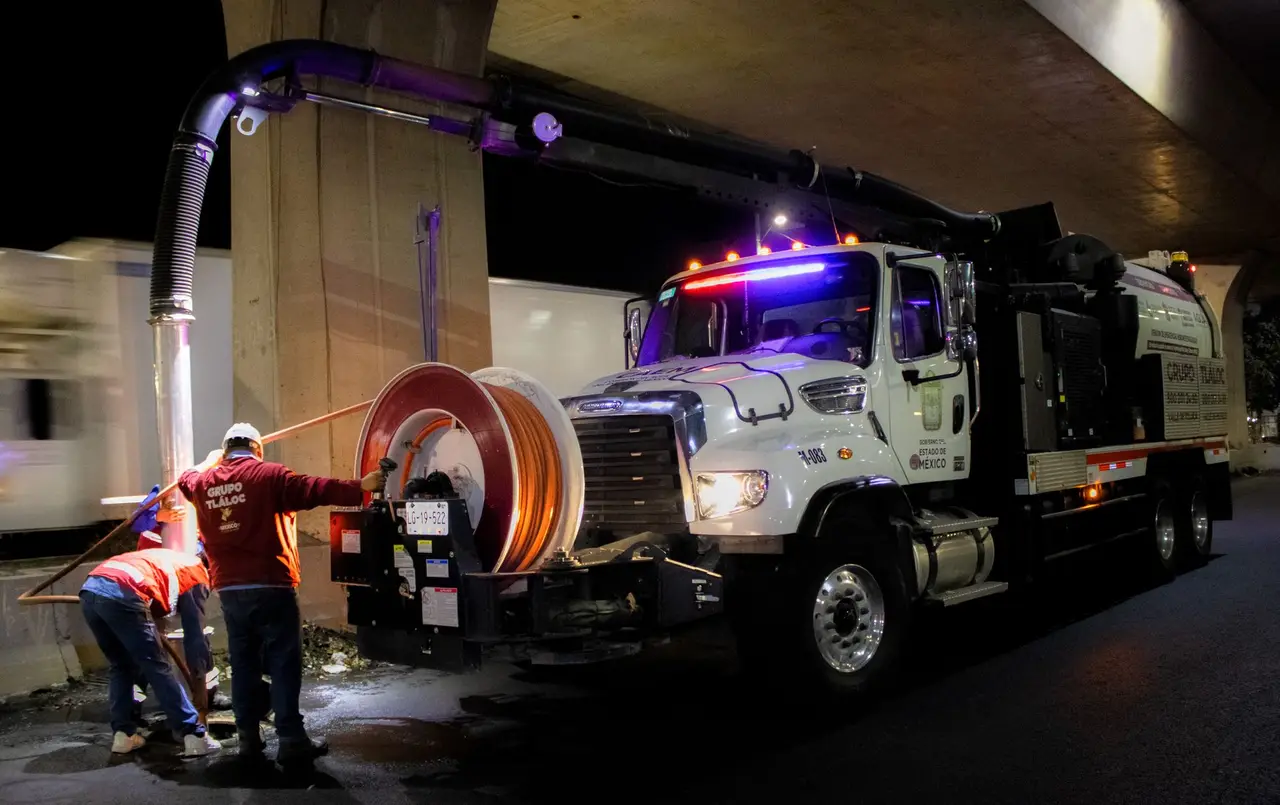
We replace drywall, insulation, and any stained ceiling material, then match texture and paint so the repair disappears. We test the roof repair with a water check, take final moisture readings, and walk you through everything. You get the documentation package for your insurance claim before we leave.
Shows temperature differences behind ceilings and walls so we can see where water is hiding without tearing everything open. It is how we trace a leak back to the actual breach.
Confirms exactly how wet the drywall, framing, and insulation are, and tells us when the structure has hit dry standard so we know when to pull the drying equipment.
Lets us look inside wall cavities and ceiling voids through a small hole. We find hidden water damage and mold without cutting a big access panel.
Pulls standing water out of ceilings, attics, and floors fast. It has the power to remove water that a shop vac cannot touch, which limits how far the damage spreads.

Dri-Eaz and Phoenix Restoration Equipment units circulate air and pull moisture out of the structure. We place them for airflow, not just to fill the room, and check readings daily.

Captures mold spores and fine debris when mold is already present. We run them with ZipWall barriers to keep spores from spreading to the rest of your home.
Neutralize musty odors and sanitize the air after the water damage is dried. We use them when odors have soaked into framing or insulation.

We follow the IICRC S500 standard for water damage restoration, which means we dry to a documented target, not just until it looks dry. Our IICRC ASD certified technicians log moisture readings daily and adjust equipment until the structure hits dry standard.
We tarp the roof to stop the water, extract what has pooled in the ceiling cavity, and set up drying equipment. Once the structure is dry, we repair the drywall and work with your roofer on the permanent roof fix. The dripping stops the same day, the ceiling dries in 3 to 5 days, and your repair is documented for insurance.
We inspect the attic and roof, trace the leak with a thermal imaging camera, and fix the source. Then we cut out the stained drywall, dry the cavity, and replace the material with a matching texture. The stain is gone, the leak is fixed, and you are not repainting the same ceiling every year.
We test for mold, contain the area with ZipWall barriers, and run a HEPA vacuum and negative air machine. Affected materials come out, and we treat the framing with antimicrobial solution. The musty odor is gone, the mold is removed, and the attic is dry and treated before it spreads to the rest of the house.
We document the damage with photos and moisture readings, dry the structure, and complete the repairs so the inspection item is cleared. You get the paperwork to show the buyer and their agent. The repair is done, the documentation is in hand, and the sale moves forward without a last-minute price cut.
Jefferson City's climate drives roof leaks in predictable waves. Spring brings hail that cracks shingles and flashing, summer delivers heavy downpours that find every weak pipe boot, and fall windstorms lift shingles along ridges and eaves. In older neighborhoods like Old Munichburg and Downtown Jefferson City, many homes still have original roof penetrations and aging flashing that fail quietly for months before a ceiling stain shows up. We adjust our inspection to the building stock: attic access is tighter in 1920s bungalows, so we rely on a borescope inspection camera to look inside wall cavities without cutting big holes. We also follow Missouri Department of Natural Resources regulations when we dispose of saturated insulation and debris. If you need same day roof leak repair service Jefferson City, call +15736984623 and we will get a crew moving. We work across Cole County and the 65101, 65109, and 65102 ZIP codes, and we document every job in Xactimate so your insurance claim holds up.
A spring hailstorm cracked the pipe boot and flashing on a 1940s bungalow. Water ran down the rafter and soaked the ceiling drywall and insulation. The homeowner noticed a brown stain spreading across the living room ceiling and called us the next morning.
We tarped the roof, replaced the pipe boot and flashing, extracted the water, and dried the ceiling cavity in four days. The damaged drywall and insulation were replaced, and the ceiling was textured and painted to match. Final moisture readings confirmed the structure was dry.
We recommended an annual attic inspection each spring before storm season and a roof check after any hail event. Catching a cracked boot early prevents the next ceiling stain.
A slow roof leak had been seeping into the attic for months. The homeowner smelled something musty but could not find the source. When we inspected, we found mold growing on the roof sheathing and framing, with wet insulation holding moisture against the wood.
We contained the attic with ZipWall barriers, ran a HEPA vacuum and negative air machine, removed the moldy materials, and treated the framing with antimicrobial solution. The leak was fixed at the flashing, and the attic dried to dry standard in five days.
We set up a moisture check each fall and recommended improved attic ventilation. Keeping the attic dry is the best way to stop mold from coming back.
A fall windstorm lifted shingles along the ridge of a downtown commercial building. Water poured into the ceiling cavity and soaked the insulation and ceiling tiles. The property manager had already been denied once because the documentation was thin.
We documented everything with photos, moisture maps, and an Xactimate scope, then dried the structure in three days and replaced the damaged ceiling tiles and insulation. The claim was approved on the second submission with our documentation.
We scheduled a post-storm roof inspection each fall and set up moisture monitoring in the ceiling cavity. That gives the property manager early warning before the next leak spreads.
A roof leak is rarely just a wet ceiling. Water travels along rafters, soaks insulation, and feeds mold behind walls where you cannot see it. Here are the problems we see most often and how we fix them.
We trace the leak with a thermal imaging camera and moisture meter, fix the actual breach, then cut out and replace the damaged drywall. You get a repair that holds, not a paint-over that fails the next storm. If the source is not fixed, the stain returns every time it rains, and the drywall above it slowly turns to mush. Mold starts growing in the cavity within 48 hours.

We remove the wet insulation, dry the framing with air movers and dehumidifiers, and install new insulation once the moisture readings hit dry standard. That restores the R-value and stops the mold. Saturated insulation loses its R-value and holds moisture against the framing, which leads to rot and mold. It will not dry in place, no matter how many fans you run.
We contain the area with ZipWall barriers, run a HEPA vacuum and negative air machine, remove affected materials, and treat the framing with antimicrobial solution. Then we verify the air is clear before we close it up. Mold can colonize wet drywall in 24 to 48 hours. By the time you smell it, spores are already in the air and spreading through your HVAC system.
We build an Xactimate scope with photos and daily moisture logs, and we work directly with your adjuster. That gives your claim the evidence it needs to get approved and paid fairly. Adjusters deny claims when the documentation is thin. Without photos, moisture readings, and a proper scope, you are left paying for the repair yourself.
We use a thermal imaging camera and moisture meter to trace water back to the actual breach, whether that is a lifted shingle, failed pipe boot, or cracked flashing. No guesswork, no repeat leaks in three weeks. You get photos of the entry point and the wet materials so you can see exactly what happened.
Once the leak is stopped, we set air movers and a dehumidifier to pull moisture out of ceiling drywall, insulation, and wood framing. Most ceiling cavities dry in 3 to 5 days. We check readings daily with a hygrometer and do not pull equipment until the numbers match a dry standard.
We document everything with photos, moisture readings, and a line-item scope built in Xactimate, the same software most adjusters use. That makes your roof leak water damage repair in Jefferson City Missouri claim harder to underpay. You get the file, your adjuster gets the file, and nobody argues about what was wet.
Mold can colonize wet drywall in 24 to 48 hours. We apply an antimicrobial solution to affected framing and cavity surfaces before we close anything up, and we run a HEPA vacuum and negative air machine if spores are already present. That is how you avoid a tear-out six months from now.
Clear records you can keep and share.
Photos and moisture readings before work starts
Moisture readings recorded every day
What was replaced and how it was finished
A ceiling stain is rarely directly under the leak. Water follows rafters and joists, so the entry point is often several feet away from where you see the damage.
Water runs along framing before it drips. That is why we trace the leak with a thermal imaging camera instead of just looking above the stain.
Mold can start growing on wet drywall within 24 to 48 hours. Drying the structure quickly is what prevents a mold problem from taking hold.
Saturated insulation holds moisture against the framing and loses its R-value. It has to be removed and replaced, not dried in place.
Outside these areas? Call and ask, we will tell you straight. +15736984623
Most residential roof leak water damage repair jobs in Jefferson City MO run $450 to $2,800, depending on how far the water traveled and how much material has to be replaced. A small ceiling stain with limited drying might land near the low end. A leak that soaked insulation, drywall, and subflooring across a room pushes toward the high end. We give you upfront pricing after the inspection, and we document everything for your insurance claim.
We do. Our crews handle roof leak water damage repair in Jefferson City Missouri for homes and businesses across Cole County, including Downtown Jefferson City, Old Munichburg, Moreau Heights, and Hough Park. We stop the leak, extract the water, dry the structure, and repair the damaged drywall and insulation. Call +15736984623 and we will get a truck headed your way.
In most cases, yes, if the leak came from a sudden event like a storm, hail, or wind damage. Standard homeowners policies in Missouri typically cover the resulting water damage and the roof repair, though they may exclude damage from long-term neglect. We document everything with photos, moisture readings, and an Xactimate scope so your adjuster has what they need to process the claim.
The emergency work, stopping the leak and extracting standing water, happens the same day you call. Structural drying usually takes 3 to 5 days, and we check moisture readings daily to confirm the ceiling cavity and framing are dry. Drywall and insulation repairs add another 1 to 3 days depending on scope. Most jobs are fully wrapped within a week to ten days.
Water is sitting in your ceiling right now, and every hour it spreads. Call +15736984623 and we will send a crew to stop the leak, extract the water, and start drying. Upfront pricing, insurance documentation, and a dry structure when we are done.
Call +15736984623 any time, day or night. A live dispatcher answers, not a machine, and we will tell you exactly when a crew can reach your address. Most Jefferson City calls see a technician within about 60 minutes. If you prefer email, send photos and your address to info@24/7jeffersoncitywaterdamagerestoration.com and we will follow up fast.