Written scope
Itemized repair and drying tasks with square footage.
When water gets into your Jefferson City home, you need answers fast. Our water damage assessment and estimates Jefferson City MO service sends a trained technician to your door, often within the hour, to map the moisture, find the source, and hand you a clear, itemized repair scope. We check behind walls, under floors, and inside ceilings with thermal imaging and moisture meters so nothing gets missed. Free water damage estimate Jefferson City Missouri for most residential jobs.
Every assessment follows the same checklist so nothing gets missed. Here is what you get when you book us.
We inspect your home room by room and show you the moisture readings. You get a written scope before any repair starts.
We map the water, check inventory and equipment, and write a scope that limits downtime. Work is scheduled around your operating hours.
Water damage assessment and estimates Jefferson City MO is a full property inspection that pinpoints where water came in, how far it has spread, and what it will take to dry and repair. We start by interviewing you about the leak or backup, then walk the structure with a moisture meter and thermal imaging camera. We check the attic, crawl space, subfloor, and wall cavities. You get a written scope with drying equipment counts, demolition needs, and a repair estimate you can hand to your insurance adjuster.
Jefferson City sits along the Missouri River, and that means sump pump failures in Moreau Heights, frozen pipe bursts in older Downtown homes, and roof leaks after spring storms are common calls. A water damage estimate near me Jefferson City MO should tell you whether your carpet can be saved or must be pulled, and whether mold growth after water damage is already starting. We give you that answer the same day, not next week.
We measure before we cut, so the scope matches the damage.
From your first call to the final written scope, here is how our assessment and estimate process runs.
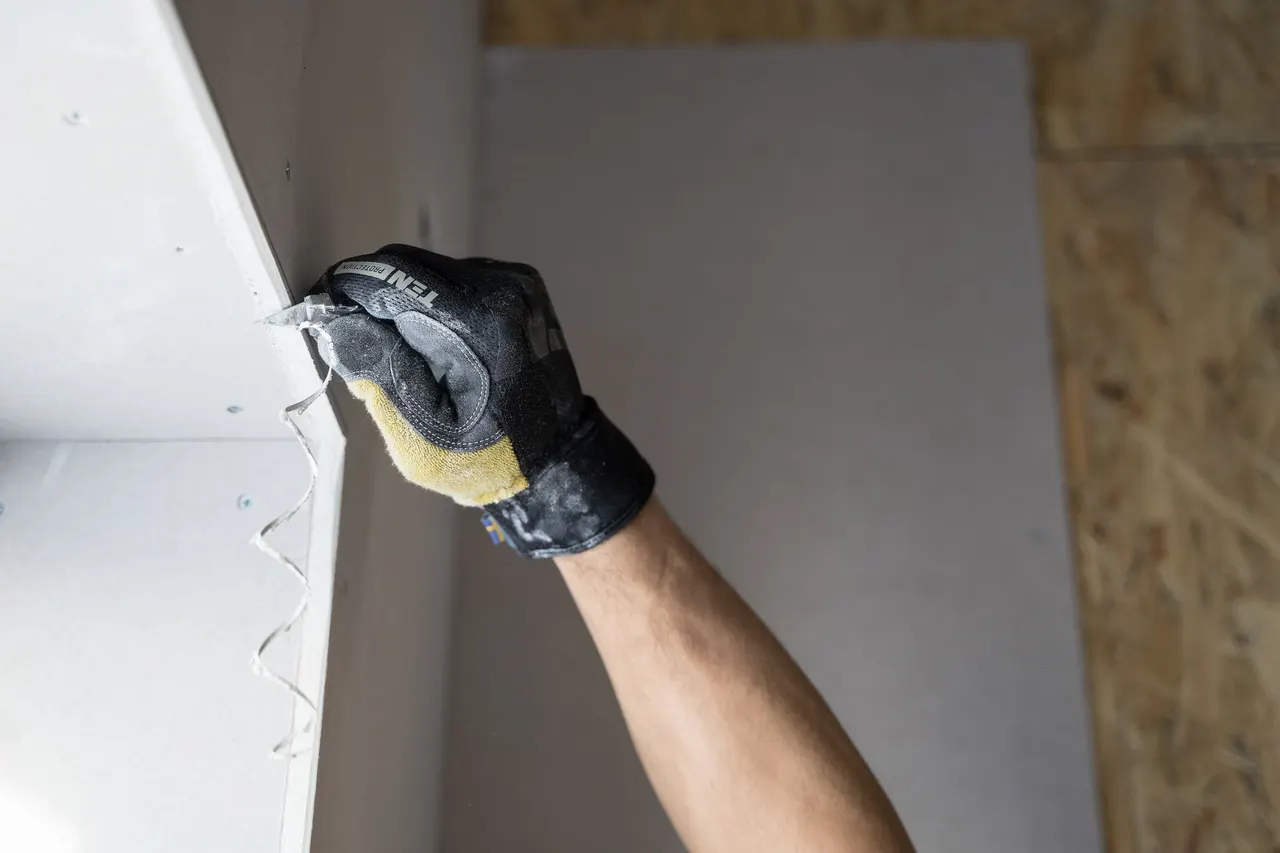
You call +15736984623 and describe what happened. We ask about the source, how long it has been wet, and whether sewage is involved. That tells us what equipment to load. For most Jefferson City addresses we arrive within 60 to 90 minutes, day or night.
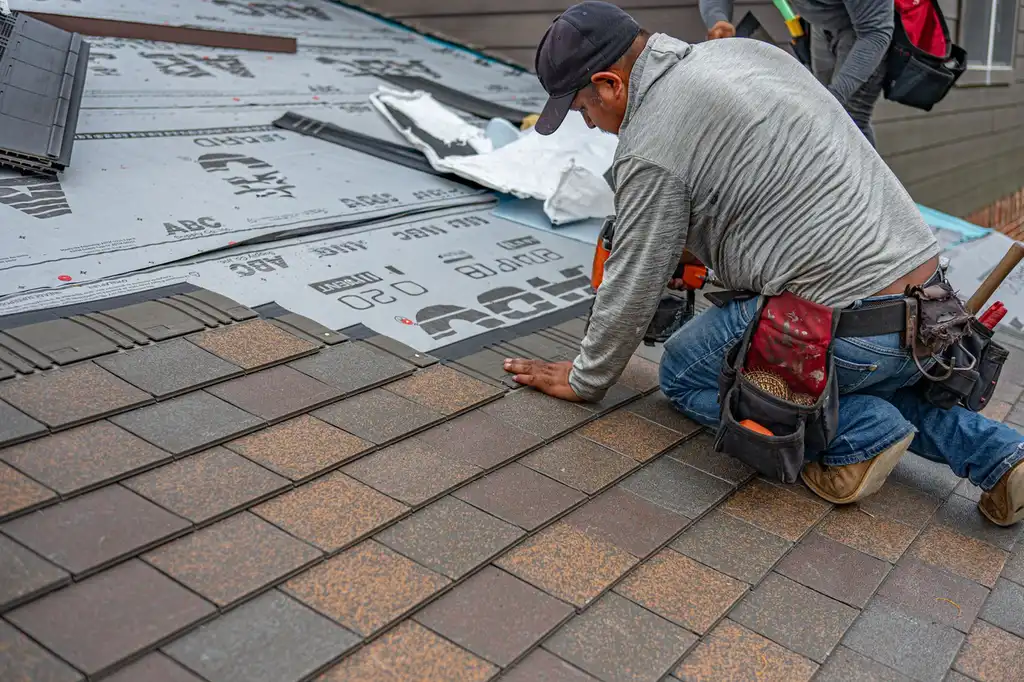
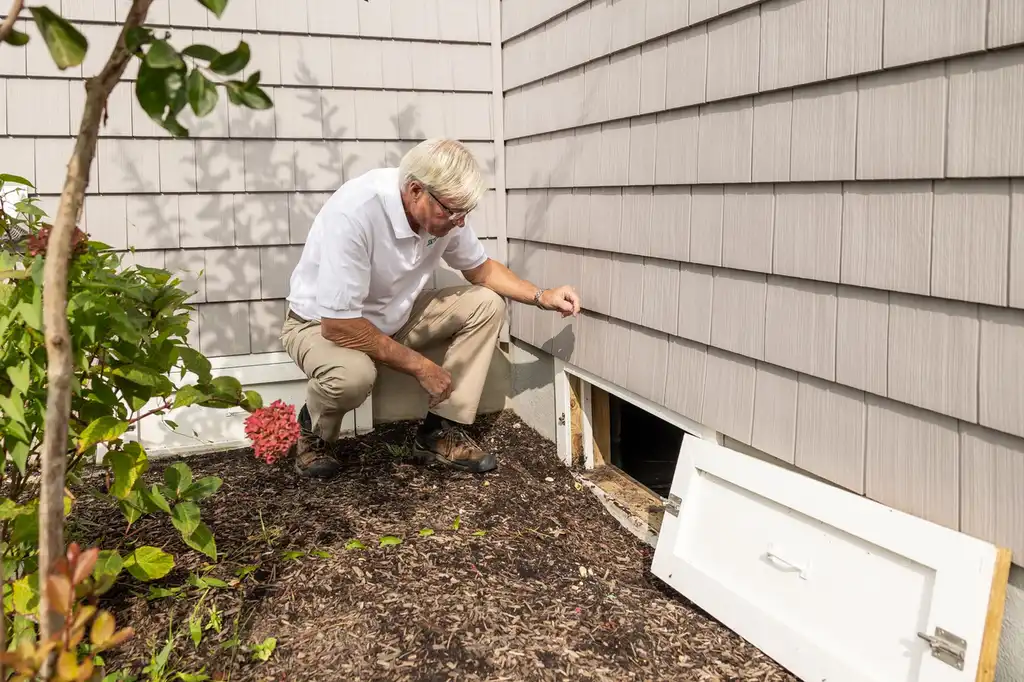
A technician walks the property with you, then scans with a moisture meter and thermal imaging camera. We check the crawl space, attic, and every wall near the source. Readings are logged room by room. This takes 30 to 45 minutes on a typical 1,500-square-foot home.
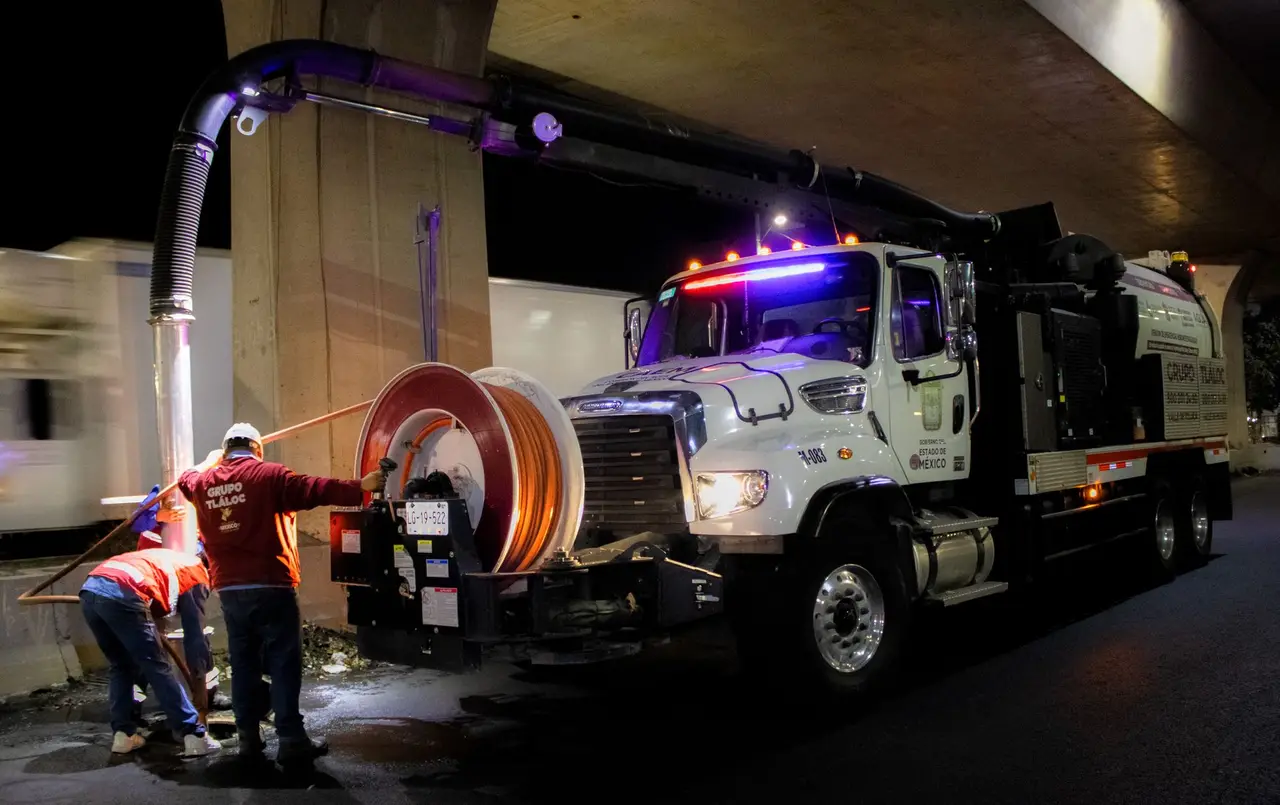
We confirm the source before anyone starts cutting. A borescope inspection camera goes into wall cavities to see behind drywall. If a supply line or drain is leaking, we note it for the plumber. You get a clear answer on whether the water is still entering.
You receive a written scope the same day. It lists affected materials, drying equipment counts, demolition needed, and a repair estimate. We use Xactimate pricing so the numbers line up with what your adjuster expects. You can ask questions line by line.
If you approve, we schedule extraction and drying immediately. Air movers and dehumidifiers go in the same day when possible. You get a drying timeline, usually three to five days, and a daily check-in on moisture readings until the structure is dry.
Reads temperature differences to reveal hidden moisture behind walls, under floors, and above ceilings without cutting into the structure.
Measures the percentage of water in drywall, wood, and concrete. We log readings room by room and compare them to dry standards.

Slides into wall cavities and ductwork to visually confirm water entry points and check for mold growth after water damage.

Tracks relative humidity in the air so we know when drying equipment has done its job and the space is stable.
Pulls large volumes of standing water from carpet and hard floors during the assessment if active water is found.

Remove moisture from the air after extraction. We size units to the cubic footage of the affected area.
Creates containment pressure to keep contaminated air from spreading during sewage or mold-related assessments.
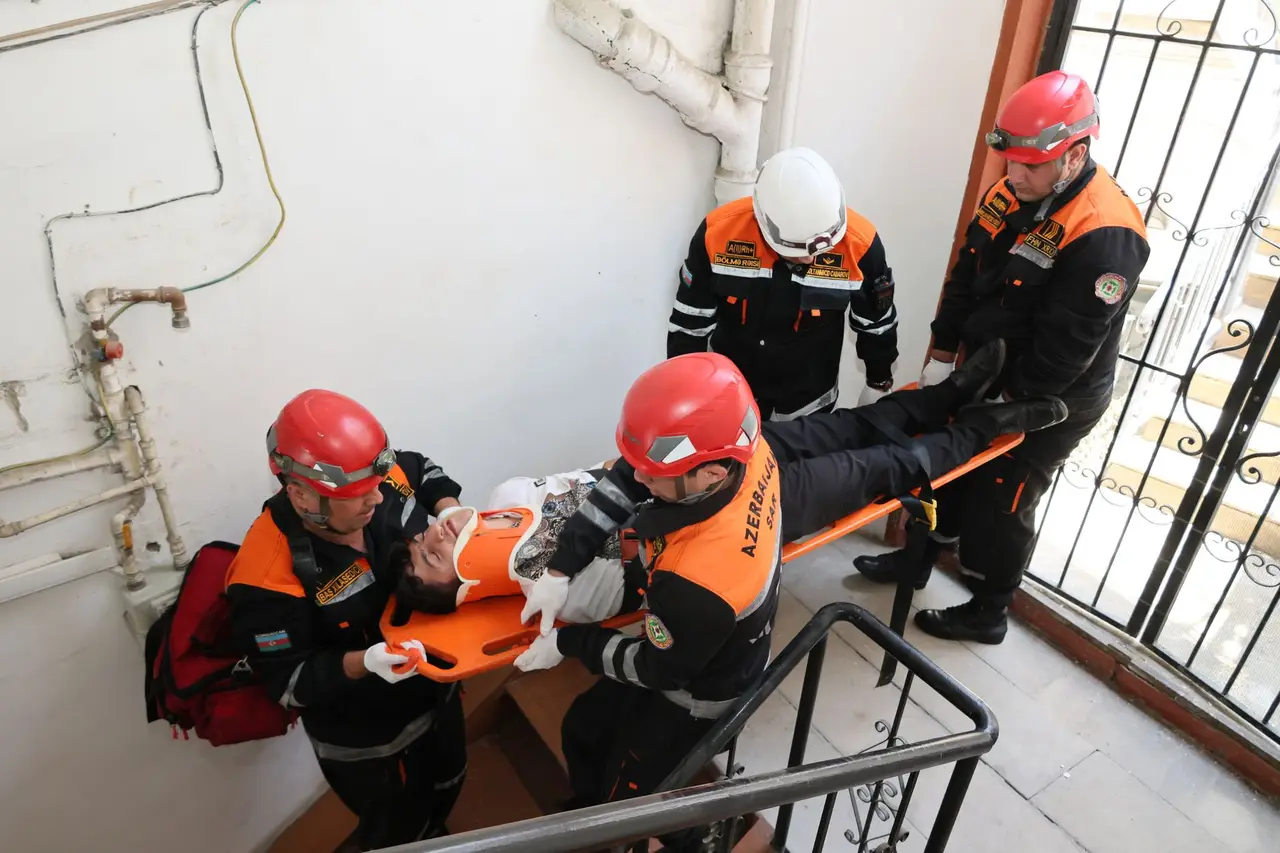
Our technicians follow IICRC WRT (Water Restoration Technician) and IICRC ASD (Applied Structural Drying) protocols for inspection and drying. That means standardized moisture readings, documented dry standards, and a verifiable drying log. It is the same standard your insurance adjuster expects to see.
We arrive within 60 to 90 minutes, shut off the water if needed, and scan the affected rooms with thermal imaging. The assessment maps how far the water traveled under floors and into walls. We write a scope that includes extraction, drying, and drywall repair. You get a clear repair plan and a written estimate the same day. Drying equipment is placed immediately, often preventing mold growth and saving the hardwood floors.
We assess the basement, check the pump and discharge line, and measure water depth. A portable extraction unit removes standing water. We then set air movers and a dehumidifier and document everything for your insurance claim. The basement is dry in three to five days. You receive a written scope that includes sump replacement and any damaged drywall or insulation.
Our technician inspects the attic and uses a moisture meter on the ceiling. A borescope checks the cavity. We trace the leak to a roof flashing or vent boot. The assessment documents the entry point and the wet insulation. You get a roof repair recommendation plus an interior drying and drywall scope. The stain stops spreading and the ceiling is restored to original condition.
We pull the appliance, check the supply line and drain pan, and scan the surrounding cabinets and flooring. The assessment determines whether the subfloor is wet. We include cabinet drying and flooring repair in the estimate. The leak is fixed, the cavity is dried, and your kitchen floor is saved. You get a line-item estimate before any repair work begins.
Jefferson City's weather drives our assessment calls. October means falling leaves and the first freeze warnings, so we start seeing frozen pipe and burst pipe calls in older homes with uninsulated crawl spaces. Winter brings more. Spring and summer deliver heavy rain and river flooding along the Missouri River, which pushes sump pump failure and basement flooding calls in Riverside and Millbottom. The city's housing stock ranges from pre-1900 brick homes near Capitol Avenue to newer builds in Westview Heights, and each type fails differently. Brick foundations wick moisture; modern vinyl floors trap it underneath. We adjust our moisture mapping to the construction style. If you need a water damage estimate cost Jefferson City Missouri breakdown, we itemize by material type so you see exactly what drives the number. We also follow Missouri Department of Natural Resources regulations for disposal of contaminated water and materials.
A supply line burst behind a finished basement wall in a Downtown Jefferson City home. The homeowner noticed wet carpet but did not know the wall was saturated. Mold was starting on the back of the drywall.
Our assessment found moisture 18 inches up the wall with thermal imaging. We removed a two-foot strip of drywall, dried the cavity in three days, and replaced the drywall. Final moisture readings were under 15 percent.
We recommended insulating the supply line and installing a water alarm. The homeowner checks the basement monthly and has had no further issues.
A sump pump failed during a May storm, leaving two inches of water across a finished basement in Moreau Heights. Carpet, pad, and the bottom of a drywall wall were soaked.
We extracted 40 gallons, removed the pad, and dried the carpet in place. Air movers and a dehumidifier ran for four days. Moisture readings dropped from 28 percent to 11 percent. The drywall was saved with a small baseboard removal.
We installed a new primary sump pump and a battery backup. The homeowner tests the pump every quarter before storm season.
A roof vent boot cracked, sending water into the ceiling of a Westview Heights home. A brown stain spread across the ceiling, and the insulation above was soaked.
The assessment traced the leak with a borescope and moisture meter. We removed wet insulation, dried the ceiling cavity in two days, and patched the drywall. The roof boot was replaced. Final readings were dry.
We recommended an annual roof inspection each fall. The homeowner now checks the attic after every heavy rain.
Water damage is rarely obvious. These are the problems we find and fix for Jefferson City homeowners.
Our thermal imaging camera and moisture meter read inside wall cavities without demolition. We map the wet zone, then recommend targeted openings only where needed. That saves you from tearing out dry walls and preserves more of your home. Wet insulation and framing rot silently for weeks. By the time you smell it, mold may already be growing and structural wood may be weakened.
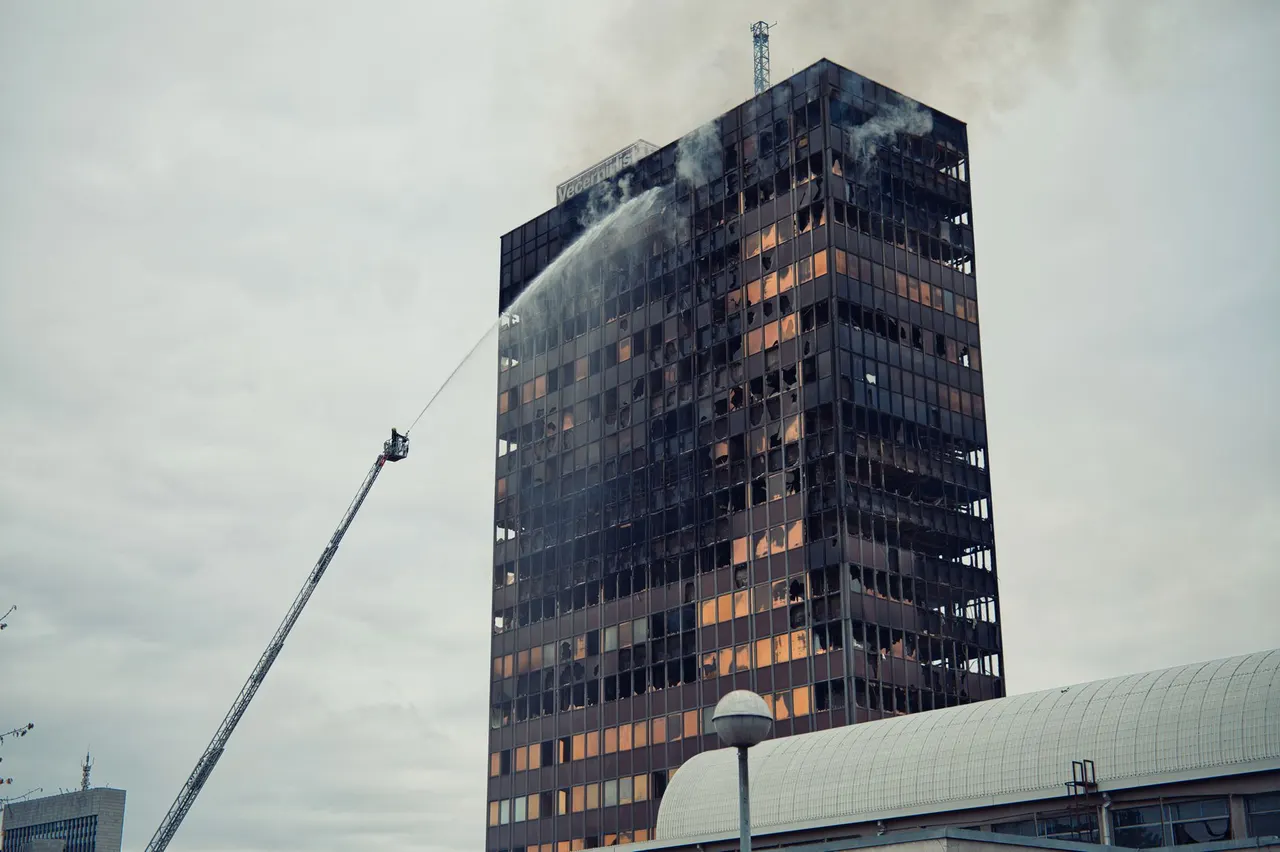
We trace the odor to its source, often a damp crawl space or wet carpet pad. The assessment confirms whether mold growth after water damage has started. If it has, we include remediation in the scope and use HEPA vacuums and antimicrobial solution to clear it. A musty smell means microbial activity. Ignoring it can lead to air quality problems and expensive mold remediation down the road.
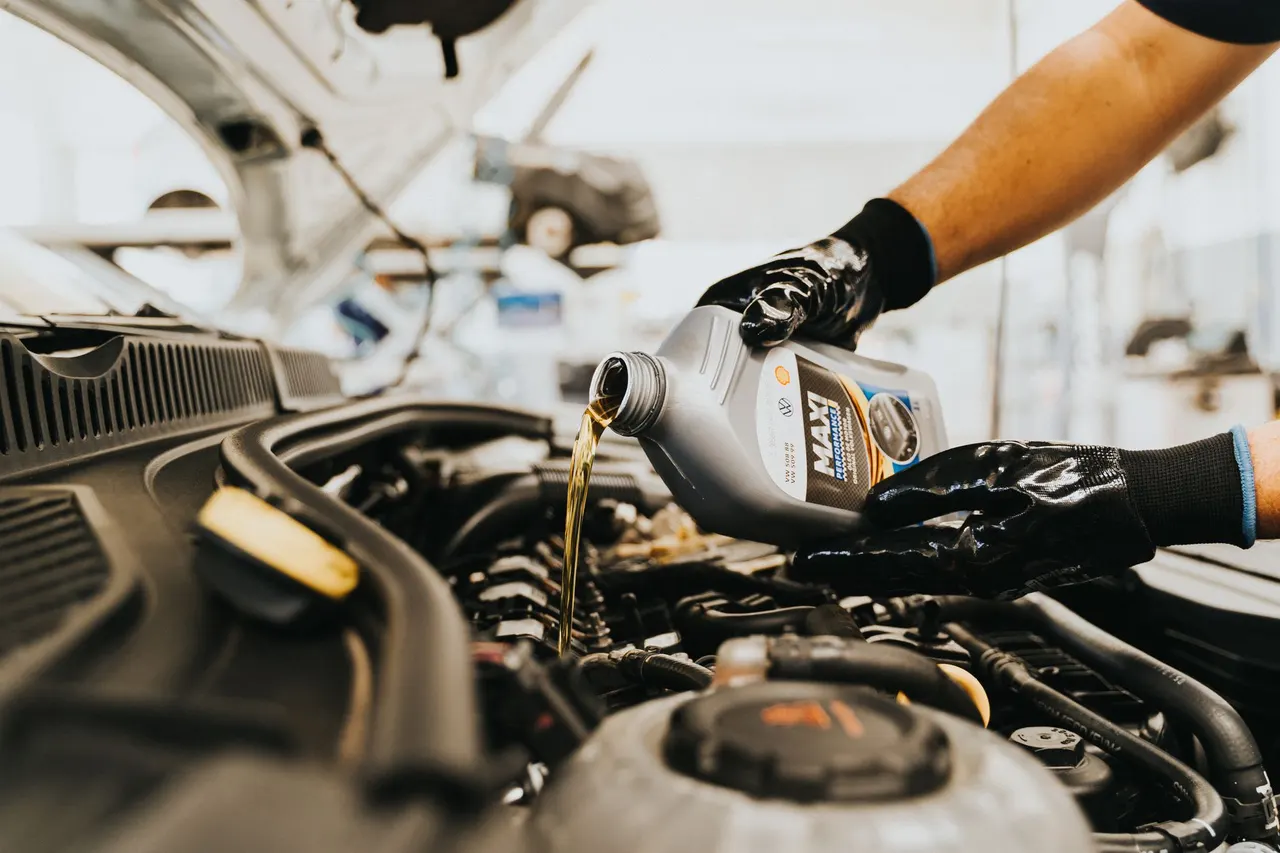
We inspect the attic and roof from above and below. A borescope camera checks the ceiling cavity. Once we find the entry point, we document it for roof repair and include interior drying and replacement drywall in the estimate. A recurring stain means the leak is still active. Each rain adds more water to the ceiling cavity, saturating insulation and drywall until it sags.
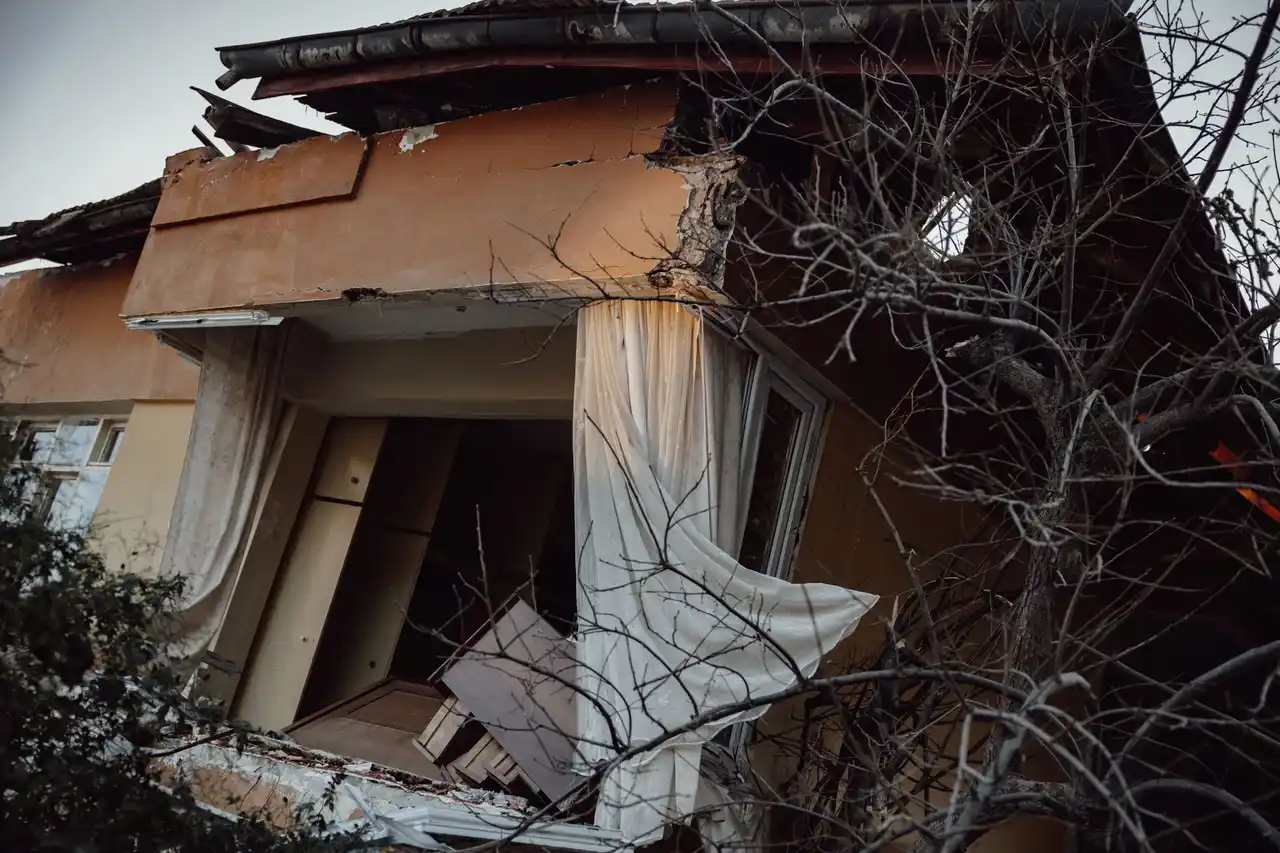
We assess the pump, float, and discharge line, then remove standing water with a truck-mounted water extractor. The scope includes sump replacement options and a backup system recommendation. We also dry the basement to prevent mold. A failed sump pump can flood a basement in under an hour. Standing water wicks up drywall and ruins stored belongings.
Water travels down and sideways. We use a thermal imaging camera and moisture meter to read inside wall cavities, under hardwood, and above ceiling tiles. Without that scan, you can miss a saturated subfloor that later warps or grows mold. Our assessment maps every wet zone before drying begins.
Adjusters want line items, not guesses. We document moisture readings, affected square footage, and equipment placement with photos and a written report. That package supports your claim and reduces back-and-forth. Many Jefferson City homeowners tell us the adjuster approved the scope without a second visit.
Mold can colonize a wet wall in 24 to 48 hours. Our assessment flags high-humidity pockets and contaminated water so we can apply antimicrobial solution early. Catching it at the estimate stage is far cheaper than full mold remediation later. We tell you plainly if a wall needs to come out.
A free water damage estimate Jefferson City Missouri gives you a number before work starts. We break out extraction, drying equipment, demolition, and rebuild so you see where the money goes. No surprise add-ons after the fact. You decide what to fix now and what can wait.
Clear records you can keep and share.
Itemized repair and drying tasks with square footage.
Room-by-room readings compared to dry standard.
Images of wet zones and equipment placement.
Water spreads farther than the visible stain. We read inside walls and under floors before deciding what to remove. That saves materials and keeps the repair scope honest.
Water moves down and sideways through framing. A moisture meter finds it before mold does. We mark the edges of the wet zone.
Carpet and pad dry differently than hardwood or drywall. We set the drying target by material type. That tells you what can be saved.
Readings are logged and photographed. Your adjuster sees the numbers, not just a description. That reduces claim disputes.
Outside these areas? Call and ask, we will tell you straight. +15736984623
Most residential assessments are free when you hire us for the drying or repair work. If you want a standalone inspection with a written scope and no repair commitment, we charge a flat trip fee that we credit back if you book the job. Commercial assessments are quoted by square footage. Call +15736984623 and we will give you the exact number before we roll a truck.
We do. Our technicians live and work in Cole County and cover every Jefferson City ZIP code, including 65101, 65109, and 65102. We handle residential and commercial assessments, and we work directly with insurance adjusters. If you are searching for a professional water damage estimate Jefferson City Missouri, call us and we will schedule a visit, often the same day.
Yes, for most residential jobs the estimate is free when you plan to use us for the repair or drying. We inspect, scan with moisture meters, and write the scope at no charge. If you only want the report and no work, there is a modest fee. Either way, you get the number in writing before you decide anything.
A typical single-family home takes 45 to 90 minutes from arrival to written scope. Larger homes, commercial buildings, or properties with sewage backup can take two to three hours because we add containment checks and more moisture readings. We schedule around you and can often arrive within 60 to 90 minutes of your call.
One call gets a technician to your door with moisture meters, thermal imaging, and a written scope. We answer 24/7 and we tell you the truth about what can be saved. Call +15736984623 now.
Call +15736984623 any time, day or night. A live dispatcher answers, not a machine, and we will tell you exactly when a crew can reach your address. Most Jefferson City calls see a technician within about 60 minutes. If you prefer email, send photos and your address to info@24/7jeffersoncitywaterdamagerestoration.com and we will follow up fast.